Underwater Data Centers: Cool Tech, Realistic Expectations
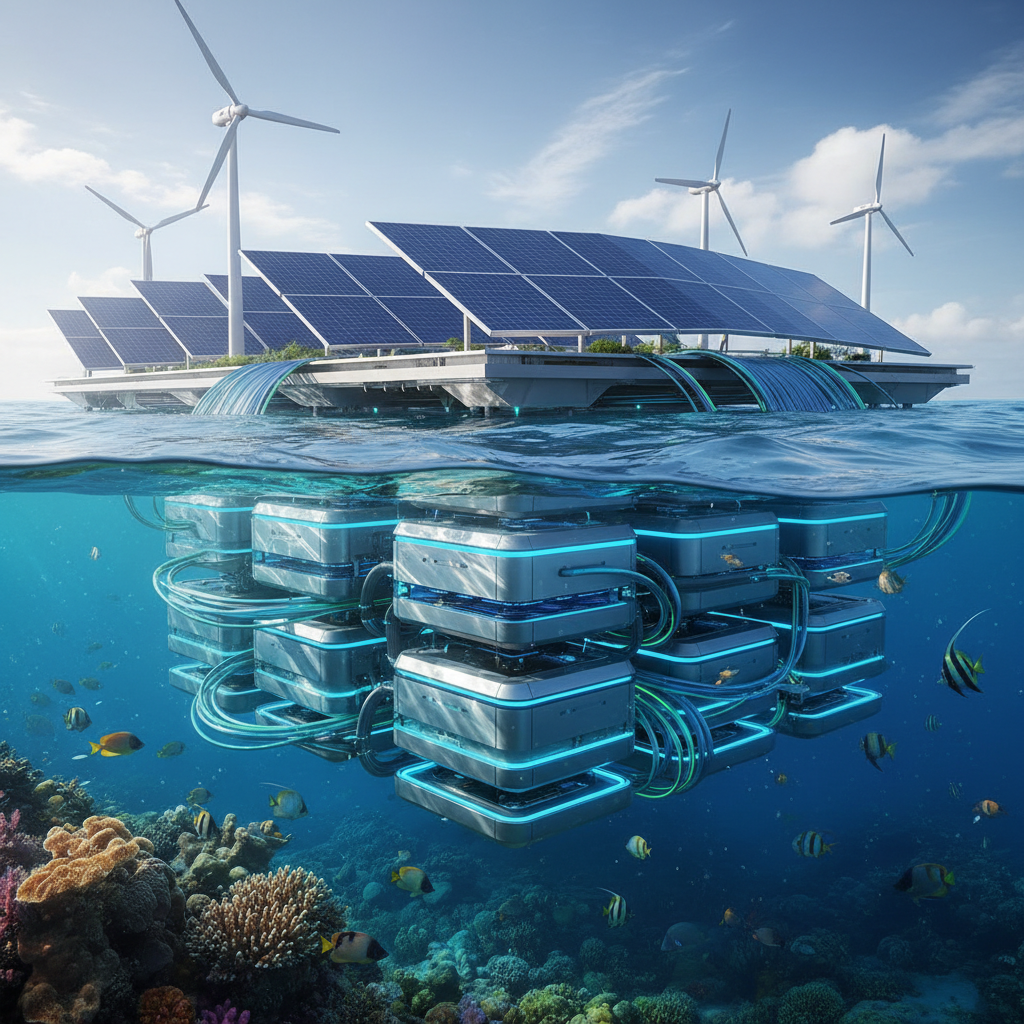
Key Takeaways
- China has commercial underwater data centers, shifting from concept to reality.
- The core benefit is highly efficient cooling using ocean temperatures, cutting energy use.
- Significant engineering hurdles exist, including corrosion, pressure, and maintenance in harsh marine environments.
- Hype needs to be balanced with practical engineering realities for long-term viability.
- The technology offers potential for reduced land use and integration with offshore renewable energy.
As our digital world expands, so does the immense energy footprint of data centers, quietly consuming vast amounts of electricity and water for cooling. A revolutionary concept is now emerging from the depths: underwater data centers, with China already leading the way commercially, promising a more sustainable approach to managing our digital infrastructure.
TL;DR: Key Facts
- China has successfully deployed commercial underwater data centers.
- The primary appeal is significantly enhanced cooling efficiency leveraging ocean temperatures.
- Integrating sensitive server technology with a harsh marine environment presents complex engineering challenges.
- Initial excitement and hype surrounding the technology need to be tempered with practical realities.
- These centers hold potential for reduced land use and easier integration with offshore renewable energy.
What Happened
CleanTechnica reports that China has successfully deployed commercial underwater data centers, moving the concept from experimental to operational reality. This development has sparked significant interest, particularly given the ever-growing demand for data processing and the associated environmental impact of traditional, land-based facilities. The fundamental allure of submerging data centers is their potential for highly efficient cooling. Leveraging the ocean's naturally low temperatures could drastically cut down the energy consumption typically required for air conditioning, a major operational cost and carbon footprint contributor for conventional data centers.
While the basic pitch of server, seawater, and AI sounds appealing for innovation, CleanTechnica cautions against the disproportionate hype. The engineering complexities involved in maintaining equipment in a harsh marine environment, ensuring data security, and guaranteeing long-term reliability are substantial. This includes challenges related to pressure, corrosion, maintenance, and reliable power and data connectivity, which are often overlooked in the initial excitement surrounding such a novel technology.
Why It Matters
For GreenNest Living readers, the emergence of underwater data centers is a critical development in the ongoing quest for sustainable technology. Traditional data centers are notorious energy hogs, consuming roughly 1-2% of global electricity and a significant amount of fresh water for cooling. By utilizing the ocean as a natural, abundant coolant, these submerged facilities could dramatically reduce energy consumption and operational costs, marking a significant stride towards greener digital infrastructure.
Furthermore, this innovation speaks to the broader Green Tech theme of resource optimization and finding novel solutions to environmental challenges. Reduced land use, potential for integration with offshore renewable energy sources like wave or tidal power, and the minimization of freshwater consumption all align perfectly with sustainable living principles. However, GreenNest Living emphasizes the importance of balancing innovation with environmental responsibility; the long-term ecological impact of deploying such infrastructure must be rigorously assessed to ensure that the solution itself doesn't create new problems for marine ecosystems.
The article's call to temper hype with engineering reality is also a vital message for our readers. True sustainability requires robust, reliable, and scalable solutions, not just promising concepts. Understanding the intricate challenges—from material science to power delivery in extreme conditions—is essential for ensuring that this technology matures into a genuinely beneficial and environmentally sound advancement for our increasingly data-driven world.
What You Can Do
- Research your cloud providers: Inquire about their data center's energy efficiency and renewable energy commitments.
- Optimize your digital footprint: Delete old files, unsubscribe from unnecessary emails, and manage cloud storage efficiently to reduce data demand.
- Support sustainable tech: Advocate for policies that promote green data center development and investment in renewable energy.
- Educate yourself on emerging solutions: Stay informed about innovations like underwater data centers and their potential environmental benefits and drawbacks.
- Reduce streaming consumption: Be mindful of your streaming habits, as video streaming accounts for a large portion of global internet traffic and data center usage.
- Consider local hosting: For businesses, explore local data hosting options that may have a smaller carbon footprint due to proximity and energy sources.
Ciro's Take
As Ciro Simone Irmici, I've always been fascinated by how human ingenuity tackles complex environmental problems. The idea of underwater data centers, drawing on the vast, cool depths of the ocean to power our digital lives, truly embodies that spirit. It's easy to get swept up in the 'sci-fi' allure, but CleanTechnica's reminder about the engineering reality is crucial. This isn't just about cool tech; it's about fundamentally rethinking our infrastructure to be in harmony with the planet. It pushes us to ask deeper questions about where our data lives and how its existence impacts the very environment we depend on. For me, this innovation represents a bold step towards a truly sustainable digital future, provided we approach it with both ambition and rigorous ecological responsibility.
FAQs
Q: How do underwater data centers stay connected to the internet?
A: They use specialized undersea fiber optic cables, similar to those that connect continents, to transmit data to and from land-based networks.
Q: What are the main environmental benefits of underwater data centers?
A: The primary benefits include reduced energy consumption for cooling, decreased land use, and potential for integration with offshore renewable energy sources, minimizing carbon footprint.
Q: Are there any environmental risks associated with underwater data centers?
A: Potential risks include the impact of heat dissipation on local marine ecosystems, chemical leakage from equipment, and the ecological footprint of manufacturing and deploying the infrastructure. These need careful assessment and mitigation.
Sources
This article is based on reporting by CleanTechnica.
Original source
CleanTechnica
Author, Digital Entrepreneur & AI Creator
More from Green Tech
- Northeast States Fight to Revive Offshore Wind Power — June 3, 2026
- Electric Revolution on Wheels: Latin America's Bus Fleet Goes Green — June 1, 2026
- CT Greenlights Plug-In Solar: A Game Changer for Homeowners — May 31, 2026
- Illinois Leads the Way: New Law Curbs Plastic Pellet Pollution — May 30, 2026