Embracing the Subtle Beauty of Shade Gardens
Key Takeaways
- Stephen Orr's new book promotes shade gardening as an art of subtlety and connection.
- Shade gardens prioritize woodland plants, valuing texture, form, and green palettes.
- They offer sustainable benefits like reduced water use and cooler microclimates.
- Shade gardens support local biodiversity by providing habitat for native wildlife.
- Cultivating shade gardens encourages a deeper, more ecological approach to home landscapes.
As our climate shifts and many gardeners seek more resilient and sustainable landscapes, the often-overlooked shade garden is finally getting its moment in the sun – or rather, the dappled light. A new excerpt from Stephen Orr’s book invites us to reconsider these tranquil spaces, offering a compelling vision for a more thoughtful and environmentally conscious approach to gardening right now.
TL;DR: Key Facts
- Stephen Orr’s new book, The Gardener’s Mindset: Connecting with Nature Through Plants, offers fresh perspectives on gardening.
- The excerpt emphasizes shade gardening as an art for those who appreciate subtlety and understated charm.
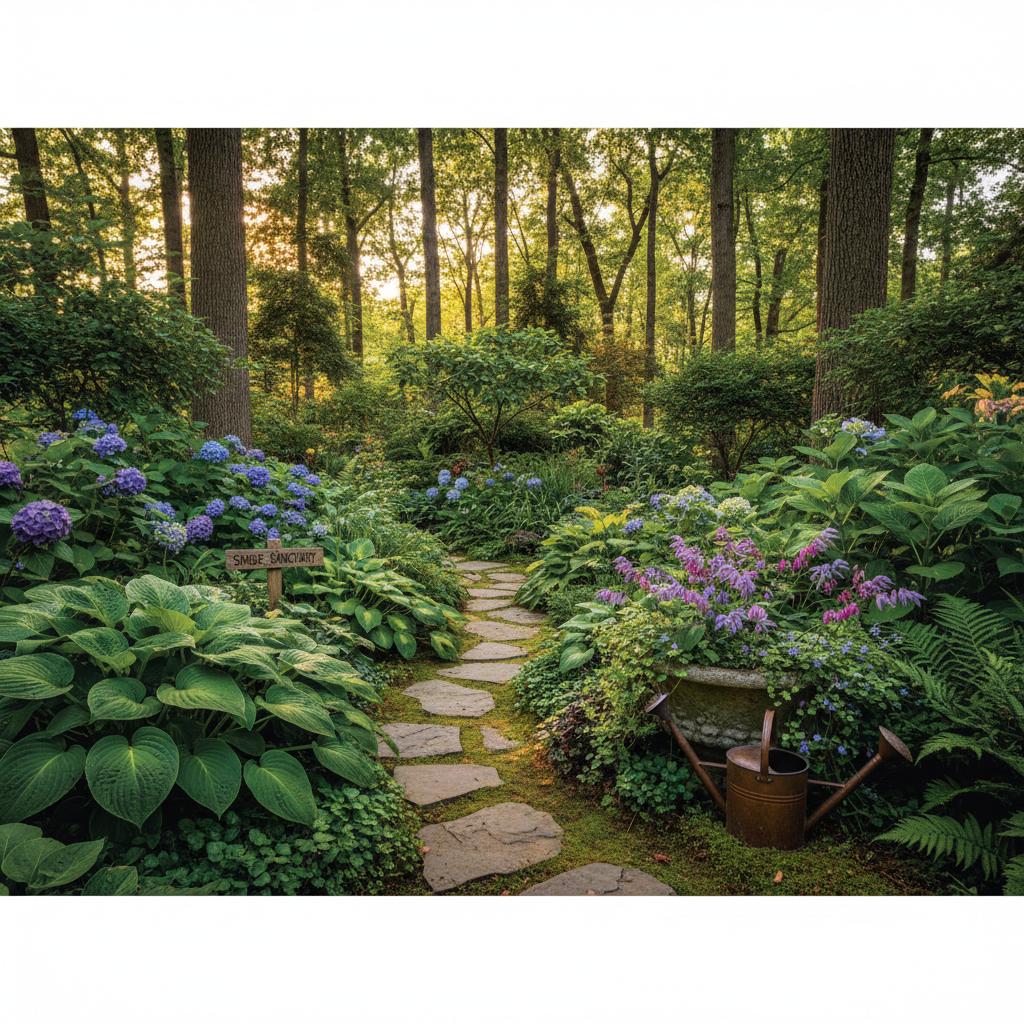
- Shade gardens are characterized by their focus on woodland-loving plants, valuing texture, form, and varying shades of green.
- This approach contrasts with traditional, sun-drenched gardens, promoting a deeper, more nuanced connection with natural ecosystems.
What Happened
“Gardenista” recently featured an insightful excerpt from Stephen Orr’s latest book, The Gardener’s Mindset: Connecting with Nature Through Plants, published by Clarkson Potter. Orr, an acclaimed garden writer, uses this piece to champion the often-underestimated beauty and ecological value of shade gardens. He posits that cultivating a shade garden is not merely a practical solution for low-light areas but a sophisticated pursuit for those who appreciate nature's quieter, more nuanced expressions.
The excerpt delves into Orr’s personal journey of discovering and appreciating the unique allure of shaded environments. He highlights how these gardens foster a connection with natural woodland ecosystems, populated by plants that thrive away from direct sunlight. Unlike sun-drenched floral displays, shade gardens, as described by Orr, celebrate a different aesthetic—one built on varied textures, intricate forms, and a rich palette of greens, rather than bright, fleeting blooms. This perspective encourages gardeners to observe and interact with their environment on a deeper, more contemplative level, valuing resilience and adaptation over sheer visual flamboyance.
Why It Matters
For GreenNest Living readers, Orr's perspective on shade gardening is not just about aesthetics; it's a profound statement on sustainable living and ecological responsibility within the 'Garden & Plants' sphere. In an era where climate change brings hotter summers and increased water scarcity, embracing shade-tolerant plants becomes a crucial strategy. These gardens often require less irrigation than their sun-loving counterparts, naturally retaining more moisture and creating cooler microclimates, which is vital for urban heat island mitigation and water conservation.
Furthermore, by focusing on woodland-loving plants, many of which are native species, shade gardens play a critical role in supporting local biodiversity. They offer vital habitats and food sources for pollinators, birds, and other wildlife that rely on native ecosystems. This approach moves beyond purely ornamental gardening towards creating functional, resilient, and ecologically rich spaces. It encourages gardeners to work with their existing environment, rather than against it, fostering a deeper respect for the natural conditions of their land. A well-designed shade garden is a testament to working in harmony with nature, providing beauty that endures and contributes positively to the local ecosystem.
What You Can Do
- Assess Your Shade: Understand the type of shade you have (deep, dappled, partial, morning sun/afternoon shade). This will guide your plant choices.
- Embrace Native Woodland Plants: Research native trees, shrubs, ferns, and wildflowers that thrive in your region's shaded conditions to support local wildlife and ensure ecological suitability.
- Improve Soil Health: Woodland plants thrive in rich, organic soil. Amend your garden beds with compost and leaf mold to mimic forest floor conditions, enhancing water retention and nutrient availability.
- Focus on Texture and Form: Shift your design focus from vibrant blooms to the varied shapes, sizes, and textures of leaves, as well as the architectural interest of branches and stems.
- Layer Your Planting: Create depth and visual interest by incorporating plants of different heights, from groundcovers to understory shrubs and small trees.
- Consider Hardscaping and Water Features: Paths, rocks, and small water features can enhance the tranquil, contemplative atmosphere of a shade garden, providing visual interest even during dormant seasons.
Ciro's Take
As an environmental advocate, Stephen Orr's insights into shade gardening resonate deeply with me. It's a call to move beyond the conventional, often resource-intensive pursuit of sun-drenched blooms and instead embrace the quiet strength and ecological wisdom found in shaded landscapes. In a world increasingly seeking vibrant, instant gratification, the shade garden asks us to slow down, observe, and find beauty in subtlety, resilience, and the intricate web of life it supports. This isn't just about planting in dim light; it's about cultivating a mindset that values harmony with nature, adapting to our environments, and fostering biodiversity in our own backyards. It's truly a sustainable path forward.
FAQs
Q: What defines a shade garden compared to other gardens?
A: A shade garden is primarily located in an area that receives less than 3-6 hours of direct sunlight per day, often under trees or along north-facing walls. It focuses on plants adapted to low light conditions, emphasizing foliage, texture, and natural woodland aesthetics over sun-loving flowers.
Q: Are shade gardens low maintenance?
A: Generally, yes. Once established, many shade-loving plants, especially natives, require less water and fertilizer than sun-loving species. However, initial soil preparation and occasional leaf litter management are still important.
Q: What are some common plants for shade gardens?
A: Popular shade plants include hostas, ferns (e.g., maidenhair, cinnamon), astilbe, hellebores, brunnera, bleeding hearts, and various native woodland wildflowers like trillium and bloodroot. Always choose species appropriate for your specific hardiness zone and shade level.
Sources
This article is based on reporting by Gardenista, featuring an excerpt from Stephen Orr's new book, The Gardener’s Mindset: Connecting with Nature Through Plants.
Original source
Gardenista
Author, Digital Entrepreneur & AI Creator
More from Garden & Plants
- LA Oasis: Modern Spanish Colonial Design for Sustainable Living — May 13, 2026
- Flowering Shrubs: The Underrated Backbone of Your Eco-Garden — May 11, 2026
- Native Wisteria: Blooming Beauty, Boosting Biodiversity — May 10, 2026
- Ground Covers: The Low-Maintenance Path to a Greener Yard — May 8, 2026