London's New Royal Garden: A Xeric Tribute to Queen Elizabeth II
Key Takeaways
- A 2-acre xeric garden in Regent's Park honors Queen Elizabeth II.
- The garden repurposes a site of disused glasshouses.
- Xeric planting prioritizes drought-tolerant species, reducing water use.
- It signifies a shift towards climate-resilient urban green spaces.
- The project provides a model for sustainable gardening practices.
In the heart of London, a new green space is blossoming, offering both a tribute to a beloved monarch and a blueprint for sustainable urban gardening. This significant development isn't just another beautiful garden; it's a living example of how historical landscapes can evolve to meet the pressing environmental challenges of our time.
This initiative highlights a crucial shift towards climate-resilient design, making it a must-know for anyone passionate about the future of our planet and our gardens.
TL;DR: Key Facts
- A 2-acre garden dedicated to the late Queen Elizabeth II has opened in London's historic Regent's Park.
- The garden is built on the site of former, disused glasshouses within the park.
- Its design predominantly features xeric, or drought-tolerant, planting, a significant departure from traditional English garden styles.
- Regent's Park, where the garden is located, was originally created by Prince Regent in the 1810s.
- The new garden serves as a living, green memorial, emphasizing sustainability and ecological consciousness.
What Happened
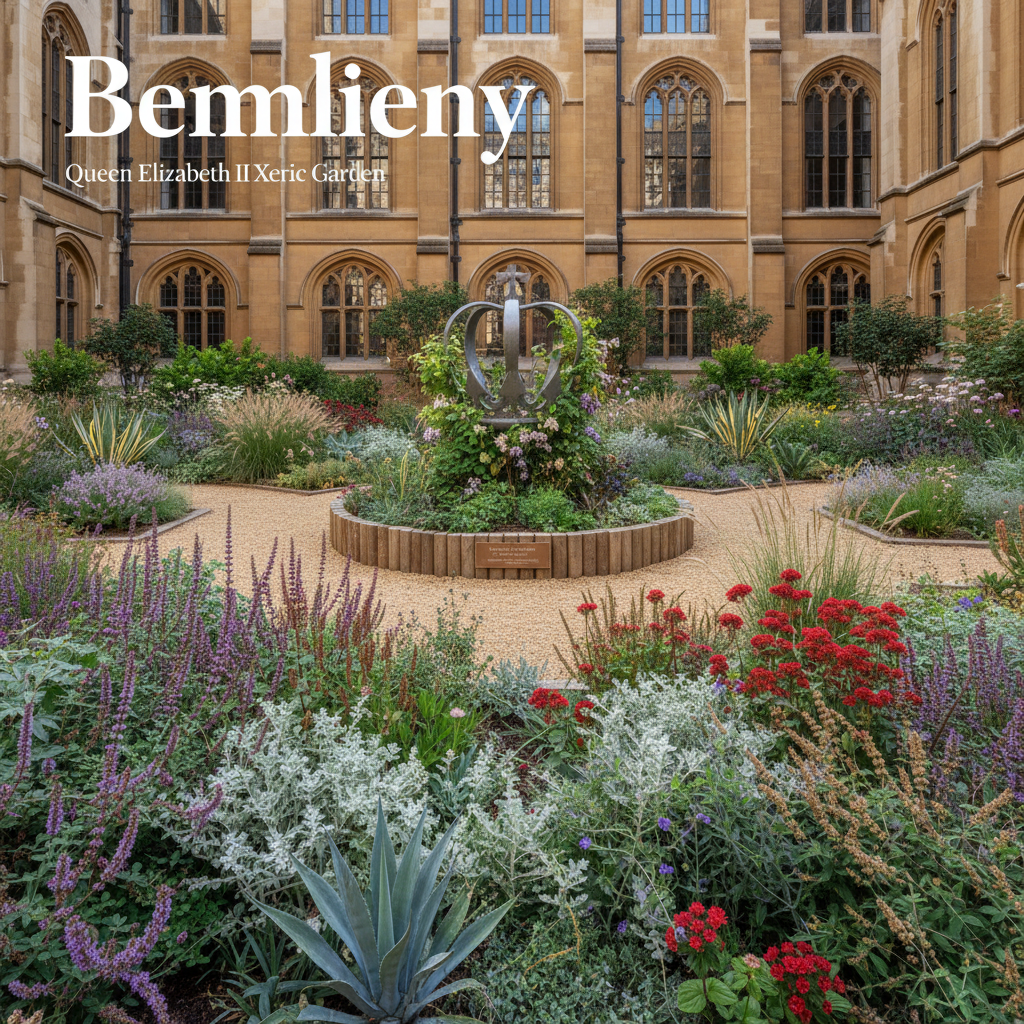
A remarkable new garden, spanning two acres, has been unveiled in London's iconic Regent's Park, dedicated to the memory of the late Queen Elizabeth II. This project transforms a previously disused site, once occupied by glasshouses, into a vibrant and ecologically forward-thinking landscape.
Regent's Park itself boasts a rich history, having been meticulously crafted by the royal tastemaker, the Prince Regent, in the early 19th century. Now, this latest addition continues the park's legacy while charting a new course. The standout feature of the Queen Elizabeth II Garden is its predominantly xeric planting plan, a design choice focused on drought-tolerant species. This is a deliberate and significant step, moving away from the water-intensive gardening often associated with traditional English parks, towards a more sustainable and climate-resilient approach.
Why It Matters
For GreenNest Living readers, this new garden is more than just a beautiful public space; it's a powerful statement about the future of gardening and urban sustainability. The adoption of a mainly xeric planting plan in such a prominent, historically significant location sends a clear message: even the grandest of gardens must adapt to a changing climate. As water scarcity becomes a growing concern globally, gardens that thrive with minimal irrigation are not just a luxury but a necessity. This project demonstrates how aesthetic appeal and ecological responsibility can coexist harmoniously.
Moreover, the garden’s existence within Regent's Park, a site of royal heritage, imbues it with symbolic weight. It shows how traditional institutions can embrace innovation for environmental good. This living memorial to Queen Elizabeth II isn't just about remembrance; it's about looking forward, fostering biodiversity, and providing a haven for wildlife in an urban environment while significantly reducing water consumption. It offers a tangible model for municipalities and individuals alike, proving that beauty and sustainability are deeply intertwined.
This development serves as an inspiring example for home gardeners. It demystifies the concept of drought-tolerant landscaping, showcasing that xeric doesn't mean barren. Instead, it can mean diverse, vibrant, and resilient ecosystems that contribute positively to local environments and offer stunning visual interest year-round.
What You Can Do
- Embrace Xeric Plants: Research and incorporate drought-tolerant plants native to your region into your garden. They require less water and often thrive with minimal intervention.
- Reduce Lawn Area: Consider converting sections of your traditional lawn into planted beds with low-water-use plants, gravel, or permeable paving.
- Improve Soil Health: Amend your soil with compost to improve its water retention capabilities, allowing plants to access moisture more efficiently.
- Install Drip Irrigation: If you irrigate, switch from sprinklers to drip systems. They deliver water directly to the plant roots, minimizing evaporation and waste.
- Collect Rainwater: Install rain barrels to capture rainwater for use in your garden, reducing reliance on municipal water supplies.
- Visit Sustainable Gardens: Seek out public gardens or botanical centers in your area that showcase drought-tolerant or native plant landscaping for inspiration and education.
Ciro's Take
As an environmental advocate, seeing a major public space like London's Regent's Park dedicate a new garden to sustainable, xeric principles truly resonates with me. It’s a powerful symbol: honoring a monarch's legacy not with an antiquated monument, but with a living, breathing testament to ecological responsibility. This move by royal tastemakers feels like a genuine acknowledgment that even the most esteemed landscapes must adapt to climate realities. It's a hopeful sign that beauty and environmental consciousness can, and must, go hand-in-hand, pushing us all to rethink our own green spaces and embrace a future where our gardens are part of the solution, not the problem.
FAQs
Q: What does "xeric planting" mean?
A: Xeric planting refers to gardening with plants that are highly adapted to dry conditions and require very little water once established. This approach focuses on water conservation.
Q: Is the new Queen Elizabeth II Garden open to the public?
A: As the garden is located within Regent's Park, a major public park in London, it is expected to be accessible to the public, offering a new space for contemplation and enjoyment.
Q: How does a xeric garden contribute to biodiversity?
A: By using native and drought-tolerant species, xeric gardens can provide essential habitat, food, and shelter for local pollinators, birds, and other wildlife, enhancing urban biodiversity.
Sources
This article is based on reporting by Gardenista.
Original source
Gardenista
Author, Digital Entrepreneur & AI Creator
More from Garden & Plants
- LA Oasis: Modern Spanish Colonial Design for Sustainable Living — May 13, 2026
- Flowering Shrubs: The Underrated Backbone of Your Eco-Garden — May 11, 2026
- Native Wisteria: Blooming Beauty, Boosting Biodiversity — May 10, 2026
- Embracing the Subtle Beauty of Shade Gardens — May 9, 2026
- Ground Covers: The Low-Maintenance Path to a Greener Yard — May 8, 2026