Native Wisteria: Blooming Beauty, Boosting Biodiversity
Key Takeaways
- Native wisteria is a beautiful, eco-friendly alternative to invasive types.
- It supports local ecosystems and provides habitat for native wildlife.
- Choosing native plants reduces the need for excessive water and chemicals.
- Educating oneself on plant origins is crucial for sustainable gardening.
- American Wisteria (<em>Wisteria frutescens</em>) is a key native option.
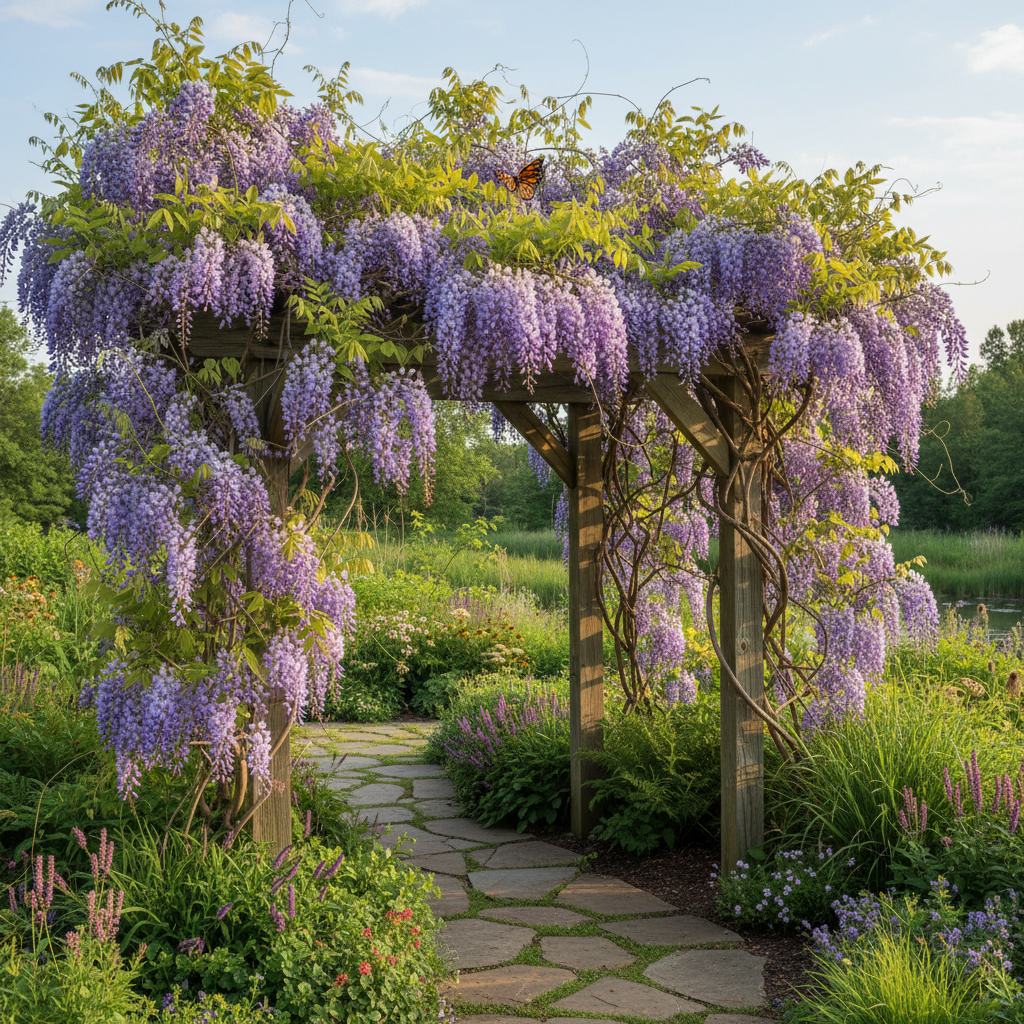
Spring's arrival is often heralded by a cascade of fragrant blooms, and for many, wisteria is the iconic representation. However, for environmentally conscious gardeners, the choice of wisteria matters deeply. This season, a spotlight shines on native wisteria, reminding us that true garden beauty also encompasses ecological responsibility and local biodiversity.
TL;DR: Key Facts
- Native wisteria offers the iconic beauty and fragrance of traditional wisteria.
- It is a non-invasive alternative that supports local ecosystems and wildlife.
- Unlike its Asian counterparts, native wisteria (like Wisteria frutescens) is not aggressively destructive.
- Choosing native varieties helps preserve regional plant diversity and habitat.
What Happened
The recent piece from Gardenista evokes the enchanting arrival of spring through the sight and scent of wisteria. It paints a vivid picture of its 'deliciously scented confirmation that spring is here to stay' and describes 'amethyst panicles festooning tall trees' along the scenic Palisades Parkway. The article marvels at the sumptuously green interstate, highlighting the sensory pleasure and visual splendor of these cascading blooms.
While the excerpt itself focuses on the sheer aesthetic experience, the crucial title, 'Gardening 101: A Native Wisteria,' signals an important distinction for eco-conscious gardeners. This emphasis implicitly nudges readers towards considering indigenous species, suggesting that the iconic beauty of wisteria can be enjoyed in a way that harmonizes with, rather than disrupts, local ecosystems.
Why It Matters
In the realm of 'Garden & Plants,' the distinction between native and non-native, especially invasive, species is paramount for environmental sustainability. Wisteria, particularly the widely cultivated Chinese (Wisteria sinensis) and Japanese (Wisteria floribunda) varieties, are notorious for their aggressive growth. These exotic species often smother native trees and plants, outcompeting them for resources and altering delicate local ecosystems. By highlighting 'A Native Wisteria,' GreenNest Living readers are introduced to an ecologically responsible alternative that maintains the plant's beloved aesthetics.
Choosing native plants like Wisteria frutescens (American Wisteria) means actively supporting local pollinators, providing essential habitat for native wildlife, and maintaining the delicate balance of regional biodiversity. These plants are inherently adapted to local soil and climate conditions, requiring less water, fewer pesticides, and less intervention to thrive. This fundamental shift from purely ornamental considerations to ecological function is a cornerstone of sustainable gardening, transforming a simple planting choice into a powerful act of environmental stewardship. It's about cultivating a garden that not only pleases the eye but also contributes positively to the natural world around it.
What You Can Do
- Research Native Alternatives: Before planting any popular ornamental, investigate if a native equivalent exists. For wisteria, specifically look for Wisteria frutescens (American Wisteria) or Wisteria macrostachya (Kentucky Wisteria).
- Understand Invasive Species: Educate yourself on common invasive plants in your region and actively avoid planting them. Learn how to identify and safely remove them if already present in your garden.
- Prioritize Pollinator Support: Choose native plants that provide reliable nectar and pollen sources for local bees, butterflies, hummingbirds, and other beneficial insects, enhancing garden biodiversity.
- Source Locally and Ethically: Purchase plants from local nurseries specializing in native species. Inquire about their growing practices to ensure plants haven't been treated with harmful systemic pesticides like neonicotinoids.
- Reduce Resource Use: Embrace the low-maintenance benefits of native plants. Once established, they often require significantly less water, synthetic fertilizers, and pesticides, contributing to a more sustainable landscape and reducing your environmental footprint.
- Share Your Knowledge: Become an advocate for native gardening. Talk to friends, family, and neighbors about the benefits of choosing native plants and encourage them to make similar environmentally conscious choices in their own outdoor spaces.
Ciro's Take
As an environmental advocate, seeing a renewed focus on native plants like wisteria fills me with genuine hope. For too long, the alluring charm of exotic beauty has inadvertently overshadowed the critical ecological roles our indigenous flora play. The image of native wisteria gracefully adorning landscapes, flourishing without suffocating local ecosystems, is a powerful metaphor for how we should approach our relationship with nature. It’s a profound reminder that true sustainability isn't about sacrifice; it's about making informed choices that enrich our lives and the planet simultaneously. Embracing native species isn't just gardening; it's an active step towards healing our fragmented ecosystems, one beautiful, fragrant bloom at a time. This, for me, is where true green living blossoms.
FAQs
Q: What is the main difference between native and non-native wisteria?
A: The primary difference lies in their ecological impact. Native wisteria (like Wisteria frutescens or Wisteria macrostachya) is generally less aggressive and non-invasive, coexisting with local flora and fauna. Non-native varieties (like Chinese and Japanese wisteria) are often highly invasive, outcompeting and smothering native vegetation, disrupting ecosystems and causing structural damage.
Q: How can I tell if a wisteria is native?
A: The most common native wisteria in North America is Wisteria frutescens (American Wisteria). It typically has shorter flower clusters (panicles) that bloom later than Asian varieties, and its leaves are often less serrated. Always check the botanical name (scientific name) when purchasing plants from a reputable nursery to ensure you're getting the correct, native species.
Q: Why should GreenNest Living readers choose native plants in general?
A: Choosing native plants supports local biodiversity by providing essential food and habitat for native wildlife, including vital pollinators like bees and butterflies. They are also inherently better adapted to local climates and soils, requiring significantly less water, fertilizer, and pesticides for maintenance, which reduces environmental impact and conserves resources. This makes your garden more sustainable, resilient, and contributes to overall ecosystem health.
Sources
This article is based on reporting by Gardenista.
Original source
Gardenista
Author, Digital Entrepreneur & AI Creator
More from Garden & Plants
- LA Oasis: Modern Spanish Colonial Design for Sustainable Living — May 13, 2026
- Flowering Shrubs: The Underrated Backbone of Your Eco-Garden — May 11, 2026
- Embracing the Subtle Beauty of Shade Gardens — May 9, 2026
- Ground Covers: The Low-Maintenance Path to a Greener Yard — May 8, 2026