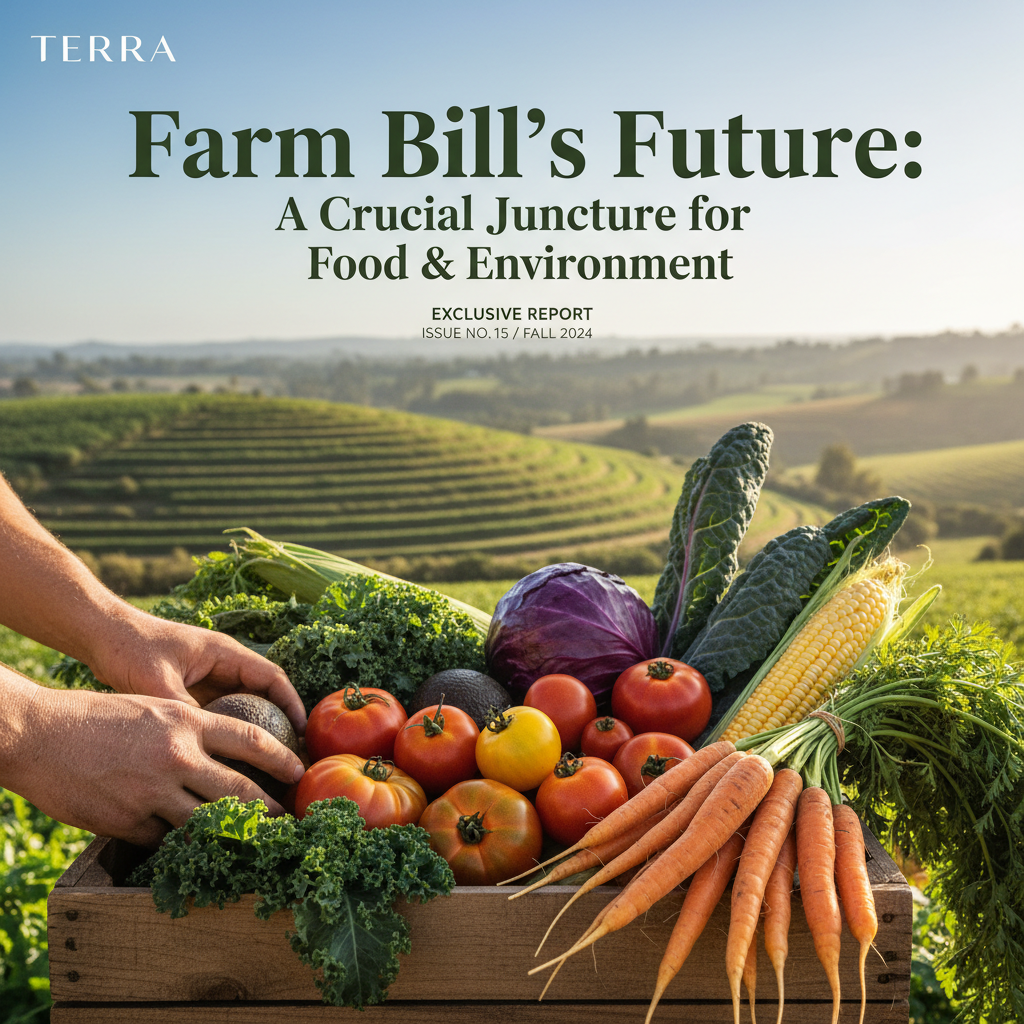
Farm Bill's Future: A Crucial Juncture for Food & Environment
Key Takeaways
- House Agriculture Committee advanced the 2026 Farm Bill.
- The bill includes significant cuts to the Supplemental Nutrition Assistance Program (SNAP).
- It maintains protections for pesticide companies, limiting liability for harm.
- Democratic efforts to amend these provisions were unsuccessful.
- The bill's current form raises major concerns for food security and environmental protection.
The 2026 Farm Bill: A Crucial Juncture for Food and Environment
The latest advancements from the House Agriculture Committee on the 2026 Farm Bill proposal demand immediate attention from anyone invested in the future of our food systems and environmental health. This pivotal legislation, debated for over 20 hours, carries significant implications for millions of Americans, signaling potential setbacks for both food security and ecological integrity at a time when sustainable solutions are more urgent than ever.
For readers of GreenNest Living, understanding the nuances of this bill is not just about policy; it's about the very foundation of how our food is grown, who has access to it, and the health of the planet we call home.
TL;DR: Key Facts
- The House Agriculture Committee has advanced a 2026 Farm Bill proposal after extensive debate.
- The proposal includes significant cuts to the Supplemental Nutrition Assistance Program (SNAP), jeopardizing food security for vulnerable communities.
- It maintains protections for pesticide companies, shielding them from individual lawsuits and undermining environmental accountability.
- Democratic efforts to scale back SNAP cuts and remove pesticide protections were ultimately unsuccessful.
- This bill's advancement represents a critical legislative step that will shape agricultural and food policy for years to come.
What Happened
On March 5, 2026, the House Agriculture Committee successfully advanced its proposal for the 2026 Farm Bill. This monumental piece of legislation, which is typically renewed every five years, underwent more than 20 hours of contentious debate before its passage from the committee. The discussions were marked by sharp disagreements, particularly concerning two key provisions that have raised alarms among food security and environmental advocates.
Specifically, the advanced bill includes notable cuts to the Supplemental Nutrition Assistance Program (SNAP), a vital federal program designed to combat hunger and provide food assistance to low-income individuals and families. Alongside this, the legislation preserves existing protections for pesticide companies, effectively limiting their liability against individual lawsuits, a move that critics argue prioritizes corporate interests over public and environmental health. Despite vigorous efforts by Democratic members to scale back these SNAP cuts and to remove the contentious pesticide company protections, these attempts were ultimately unsuccessful, leading to a bill that largely reflects conservative priorities.
Why It Matters
For GreenNest Living readers, this Farm Bill isn't just a political talking point; it's a blueprint for the health of our planet and our communities for the next five years and beyond. The proposed SNAP cuts are particularly concerning. At a time when food insecurity remains a pressing issue for millions, reducing access to nutritious food creates a domino effect. It can lead to increased demand on local food banks and charities, exacerbate public health issues related to poor nutrition, and deepen social inequities. Sustainable living is intrinsically linked to equitable access to food, and these cuts undermine the very foundation of a resilient, just food system that values every individual's well-being.
Equally critical are the continued protections for pesticide companies. This provision directly impacts the environmental principles GreenNest Living champions. Pesticides are known to harm biodiversity, particularly pollinators essential for our food supply, and contaminate soil and water sources. By shielding companies from accountability, the bill effectively incentivizes the continued use of chemical-intensive agriculture rather than promoting sustainable, regenerative practices. This approach runs counter to efforts to build healthier ecosystems, protect farm workers, and ensure the long-term viability of our agricultural lands. For an informed consumer, it means a food system potentially more reliant on chemicals, with fewer pathways for redress when harm occurs.
Ultimately, this Farm Bill proposal shapes the entire landscape of American agriculture—from what crops are subsidized and how land is managed, to the environmental standards farmers must meet and how food reaches our tables. Its current form reflects a significant departure from the holistic, health-focused, and environmentally conscious approach that sustainable living demands. Understanding these implications is the first step towards advocating for a food system that genuinely supports both people and the planet.
What You Can Do
The advancement of the Farm Bill proposal is a call to action. Here’s how you can make your voice heard and contribute to a more sustainable and equitable food future:
- Contact Your Representatives: Reach out to your House and Senate members. Express your concerns about the SNAP cuts and the pesticide company protections. Urge them to advocate for a Farm Bill that prioritizes food security, environmental health, and sustainable agriculture.
- Support Advocacy Organizations: Donate to or volunteer with organizations working on food justice, environmental protection, and sustainable agriculture policy. Groups like Food Tank, NRDC, Environmental Working Group, and local food policy councils are crucial in shaping policy.
- Educate Yourself and Others: Learn more about the specifics of the Farm Bill and its impacts. Share this information with friends, family, and your community to foster greater awareness and collective action.
- Vote with Food: Support local, organic, and regenerative farms that prioritize ecological health and fair labor practices. Your purchasing decisions send a powerful message about the kind of food system you want.
- Advocate for Local Food Programs: Support and engage with local food banks, community gardens, and initiatives that work to combat food insecurity and promote healthy eating within your own community.
- Engage in Civic Discourse: Participate in town hall meetings, write letters to the editor, or use social media to discuss the importance of a responsible Farm Bill. Let your elected officials know that these issues matter to their constituents.
FAQs
Q: What is the Farm Bill and why is it so important?
A: The Farm Bill is a comprehensive, multi-year piece of legislation that governs various agricultural and food programs in the United States. It's incredibly important because it influences everything from food prices and crop subsidies to food assistance programs like SNAP, conservation efforts, rural development, and research, shaping the entire food system and its environmental impact.
Q: How do SNAP cuts affect sustainable living?
A: SNAP cuts severely impact sustainable living by increasing food insecurity, which often leads to reliance on cheaper, less nutritious, and often more industrially produced foods. This undermines efforts to promote healthy diets, local food systems, and reduces overall community resilience and equity, which are core tenets of sustainable living.
Q: Why are pesticide company protections a concern for environmental health?
A: Protecting pesticide companies from individual lawsuits can reduce their incentive to develop safer products and practices. This can lead to increased environmental damage (e.g., harm to pollinators, water contamination, soil degradation) and potential human health risks, directly conflicting with sustainable agriculture principles that prioritize ecological balance and minimal chemical inputs.
Sources
This article is based on reporting by Food Tank.
Original source
Food Tank
Author, Digital Entrepreneur & AI Creator
More from Food & Environment
- Gardening: A Neurosurgeon's Secret to Longevity & Well-being — May 13, 2026
- Farm to School: Nourishing Kids, Cultivating Community Growth — May 12, 2026
- High-Risk Cheese Outbreak: FDA Alert Amid E. coli Fears — May 11, 2026
- Are Your 'Healthy' Foods Truly Nutritious? New Study Investigates — May 10, 2026
- Australia Battles Food Waste: A Global Sustainability Push — May 9, 2026