Farm Data: The Invisible Crop Reshaping Agriculture
Key Takeaways
- Precision farming collects vast amounts of agricultural data, including GPS and seeding rates.
- This data is increasingly viewed as a 'hidden crop' or valuable asset for tech companies.
- The ownership and control of farm data are critical issues with far-reaching implications.
- Data commodification can affect farmer independence, market power, and environmental sustainability practices.
- Understanding these trends is crucial for ensuring a fair and resilient food system for all.
In an era where technology increasingly intertwines with every aspect of our lives, even our food sources are undergoing a digital transformation. The agricultural sector, often seen as traditional, is now a frontier for data collection, prompting crucial questions about who benefits and what this means for the future of sustainable living.
This emerging landscape reveals that the very information generated by farming practices is becoming a valuable commodity, an invisible harvest with far-reaching consequences for environmental stewardship and food security.
TL;DR: Key Facts
- Precision farming technologies are extensively gathering data from agricultural operations.
- This data includes granular details such as GPS coordinates from tractors and seeding rates from planters.
- The collected farm data is being characterized as a "hidden crop" for corporate tech companies.
- This framing highlights the significant, often unrecognized, economic value of agricultural data.
- The rise of farm data as a commodity poses critical questions about ownership, control, and its impact on the food system.
What Happened
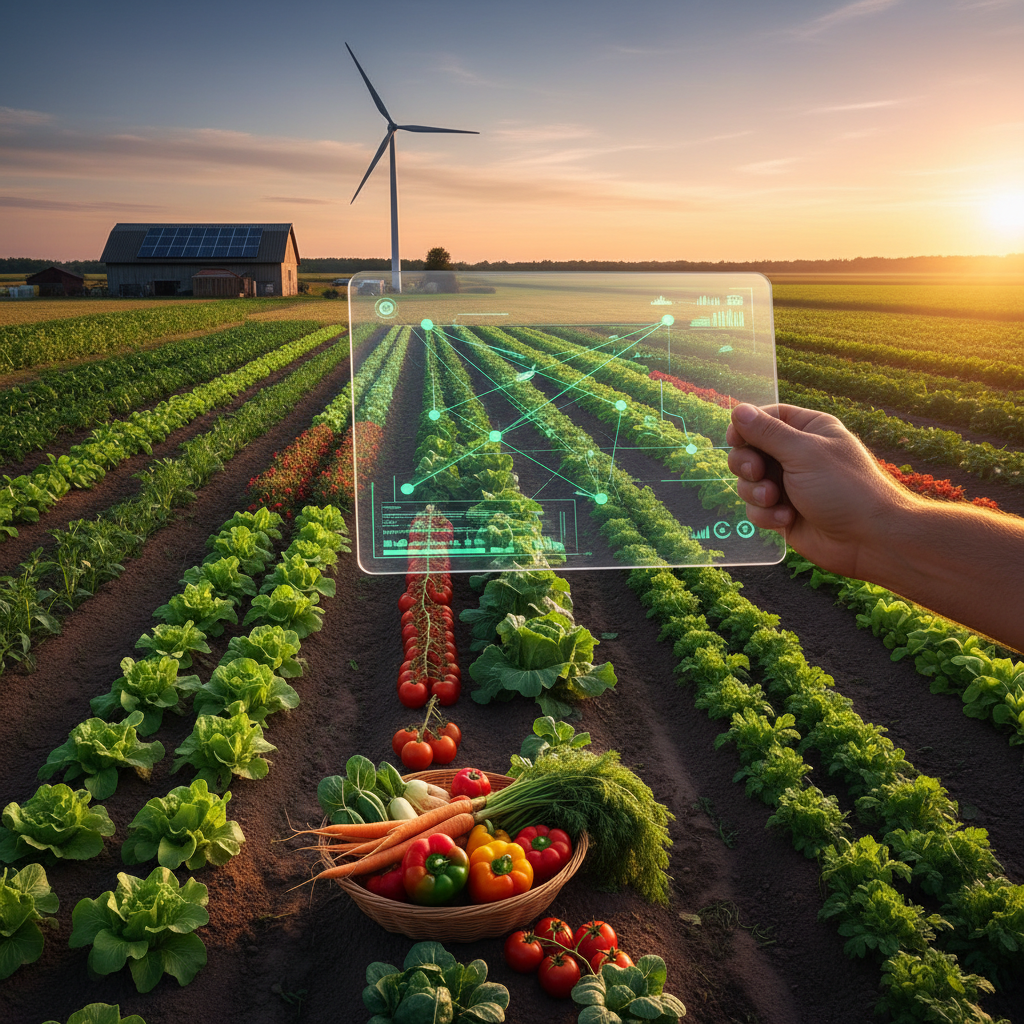
As agriculture increasingly adopts advanced technologies, a silent revolution is taking place in our fields. Precision farming tools, designed to optimize everything from irrigation to planting, are simultaneously acting as sophisticated data collectors. Tractors equipped with GPS meticulously record every inch of ground covered, while planters precisely log seeding rates and other vital metrics.
This constant stream of information, detailing the intricate workings of a farm, from soil conditions to yield performance, is being aggregated and analyzed. While initially intended to help farmers make more informed decisions, this vast repository of data is now recognized as a highly valuable asset in its own right. It’s no longer just about the physical crops harvested; the data generated in their cultivation is emerging as a new, highly sought-after commodity.
Referred to as a "hidden crop" for corporate tech, this data represents a significant shift in agricultural economics. Tech companies are increasingly interested in acquiring, processing, and leveraging this information, transforming the raw operational details of farming into proprietary insights and potential profit streams. The implications of this new 'crop' extend beyond the farm gate, impacting the entire food supply chain and raising complex questions about who truly owns the fruits of agricultural labor – both tangible and digital.
Why It Matters
For GreenNest Living readers, the concept of farm data as a "hidden crop" is critically important because it touches on fundamental aspects of our food system, environmental sustainability, and the economic viability of farmers. Precision agriculture, powered by data, promises optimized resource use—less water, targeted fertilizer application, reduced pesticide use—which sounds inherently sustainable. However, when this crucial data becomes a proprietary asset for tech corporations, the potential for these environmental benefits to be universally realized, or even controlled by farmers, becomes uncertain.
The core issue revolves around data ownership and control. If tech companies own the data generated by a farmer's land and labor, what leverage does the farmer retain? This could lead to farmers being locked into specific technology ecosystems, paying recurring fees for access to their own farm's insights, or even finding their data used to inform market strategies that don't necessarily benefit them. This shift can undermine farmer autonomy, making them data-tenants rather than data-owners, and potentially exacerbating economic pressures on small and medium-sized farms already facing tight margins. The environmental consequences are equally profound; if data-driven insights are controlled by entities prioritizing profit over ecological health, the promise of truly sustainable, regenerative agriculture could be compromised.
Furthermore, the aggregation of vast amounts of farm data by a few corporate players raises concerns about market concentration and power dynamics within the food system. Such data can be used to predict harvests, influence commodity prices, or even develop new seed varieties or chemical products that further entrench corporate interests. This could ultimately reduce competition, limit farmer choices, and dictate agricultural practices from a centralized, non-farming perspective. For consumers, this translates to less transparency in their food's origin, potentially higher costs due to market manipulation, and a food system driven more by algorithms than by environmental stewardship or community needs. Understanding this hidden crop is vital for anyone invested in a resilient, equitable, and sustainable future for our food.
What You Can Do
Navigating the complex world of farm data requires proactive engagement. Here's how you can make a difference:
- Educate Yourself on Data Contracts: If you're a farmer, thoroughly review any data agreements or terms of service before adopting new precision agriculture technologies. Understand what data is collected, how it's used, and who owns it. Seek legal counsel if necessary.
- Advocate for Farmer Data Rights: Support organizations and legislative efforts campaigning for clear data ownership rights for farmers. Push for policies that ensure data generated on the farm benefits the farmer, not just external corporations.
- Explore Open-Source and Farmer-Owned Tech: Research and consider agricultural technologies that are open-source or developed by farmer cooperatives, which often prioritize data transparency and farmer control.
- Support Transparent Food Systems: Choose to buy from farmers and food brands that demonstrate transparency in their farming practices, including how they manage and utilize farm data. Ask questions about where your food comes from and how it's produced.
- Stay Informed: Keep abreast of developments in agricultural technology and data privacy. Subscribing to publications like GreenNest Living can help you understand the evolving landscape and its implications for sustainable food.
FAQs
Q: What exactly is "precision farming data"?
A: Precision farming data refers to the highly detailed information collected from agricultural operations using advanced technologies. This includes GPS coordinates, soil sensor readings, yield maps, weather patterns, irrigation levels, seeding rates, and even livestock health metrics, all gathered to optimize farm management.
Q: Who typically owns farm data generated by precision ag technologies?
A: This is a complex and often contested area. While farmers generate the data, the ownership often depends on the terms of service agreements with technology providers. Many contracts grant significant rights to the tech companies, blurring the lines of who truly owns, controls, and can profit from the data.
Q: How can farm data impact food prices or availability for consumers?
A: If farm data becomes highly concentrated and controlled by a few corporations, it could give these entities significant power over agricultural markets. This might lead to practices that influence crop production, supply chains, and potentially food prices. Lack of farmer autonomy over their data could also hinder innovation or force farmers into less sustainable practices, impacting the long-term resilience and diversity of our food supply.
Sources
This article is based on reporting by Civil Eats.
Original source
Civil Eats
Author, Digital Entrepreneur & AI Creator
More from Food & Environment
- Gardening: A Neurosurgeon's Secret to Longevity & Well-being — May 13, 2026
- Farm to School: Nourishing Kids, Cultivating Community Growth — May 12, 2026
- High-Risk Cheese Outbreak: FDA Alert Amid E. coli Fears — May 11, 2026
- Are Your 'Healthy' Foods Truly Nutritious? New Study Investigates — May 10, 2026
- Australia Battles Food Waste: A Global Sustainability Push — May 9, 2026