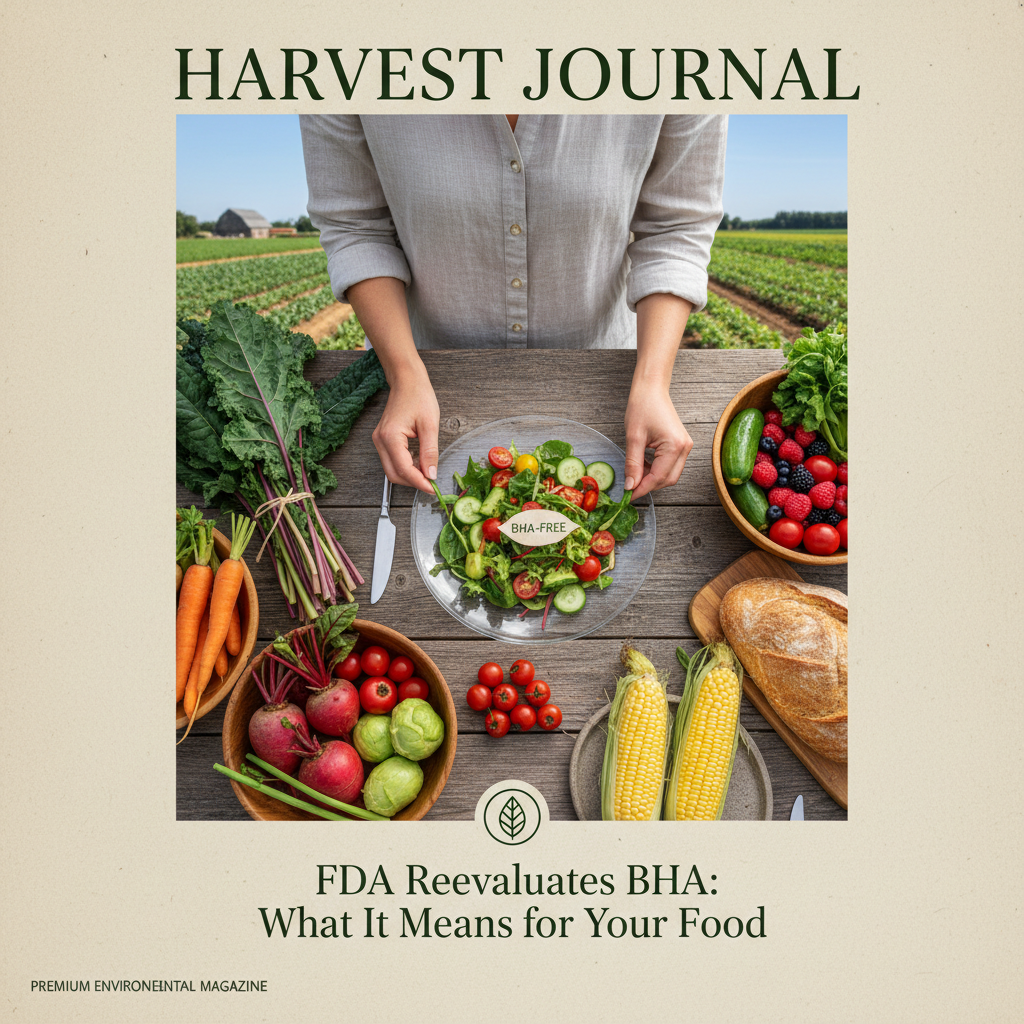
FDA Reevaluates BHA: What It Means for Your Food
Key Takeaways
- FDA is reassessing the safety of butylated hydroxyanisole (BHA).
- BHA is a common chemical preservative found in many processed foods.
- This affects items like frozen meals, deli meats, and breakfast cereals.
- The reevaluation highlights the importance of food transparency and consumer awareness.
- Consumers can reduce exposure by reading labels and choosing whole foods.
Unveiling Hidden Ingredients: FDA Scrutinizes Common Food Preservative
In a significant development for food safety and consumer health, the U.S. Food and Drug Administration (FDA) has announced a reevaluation of butylated hydroxyanisole (BHA), a widespread chemical preservative in our food supply. This isn't just a regulatory formality; it's a critical moment that could reshape what's in your pantry and on your plate, urging us all to pay closer attention to the ingredients we consume daily.
TL;DR: Key Facts
- The FDA announced on February 10, 2026, a reassessment of butylated hydroxyanisole (BHA).
- BHA is a common chemical preservative used in a variety of processed foods.
- It is frequently found in items like frozen meals, deli meats, and breakfast cereals.
- The reevaluation concerns the safety of this widely used food additive.
- This move could lead to changes in food manufacturing and consumer dietary choices.
What Happened
On February 10, 2026, the Food and Drug Administration (FDA) initiated a formal reevaluation of butylated hydroxyanisole, commonly known as BHA. This chemical serves as an antioxidant preservative in a vast array of processed food products, designed to prevent spoilage, rancidity, and maintain freshness by slowing down the oxidation of fats and oils.
According to the announcement, the agency will be meticulously examining the safety profile of BHA. This reassessment applies to its continued use as a food additive in the United States. BHA is a staple in many convenience foods that populate grocery store shelves, including but not limited to frozen meals, various deli meats, and numerous breakfast cereals. The FDA's decision to revisit BHA's safety signals a proactive step towards ensuring the integrity and safety of the nation's food supply, prompting closer scrutiny of ingredients that have long been considered standard.
Why It Matters
For GreenNest Living readers, this FDA reevaluation of BHA is profoundly significant. It directly taps into the core tenets of sustainable living: mindful consumption, personal health, and understanding our food systems. When a regulatory body like the FDA questions the safety of an additive so prevalent in our daily diets, it's a loud wake-up call to consider the cumulative impact of industrial food production on our health and the environment.
The widespread use of BHA in processed foods means that millions of Americans routinely consume this chemical. A reevaluation implies that previous assurances of its safety might be outdated or require more stringent assessment in light of new scientific understanding. This move underscores the importance of food transparency and the ongoing need for consumers to advocate for cleaner, less chemically-laden food options. It highlights a critical juncture where public health and environmental concerns intersect with industrial food practices, pushing us towards more conscious and sustainable dietary choices.
Beyond individual health, the reliance on such chemical preservatives reflects a broader food system that prioritizes shelf-life and mass production over nutrient density and minimal processing. This reevaluation encourages a deeper look into the supply chain, prompting questions about the environmental footprint of synthesizing and utilizing these chemicals, and whether truly sustainable food systems should rely so heavily on them.
What You Can Do
In light of the FDA's reevaluation of BHA, here are practical steps you can take to make informed choices:
- Read Food Labels Diligently: Make it a habit to check ingredient lists on all packaged foods. Look for “BHA” or “Butylated Hydroxyanisole” and aim to choose products without it.
- Prioritize Whole, Unprocessed Foods: Shift your diet towards fresh fruits, vegetables, whole grains, and lean proteins. These foods are naturally free of synthetic preservatives like BHA.
- Reduce Reliance on Packaged & Processed Items: Minimizing consumption of frozen meals, deli meats, and sugary cereals naturally reduces your exposure to BHA and other additives.
- Cook More Meals at Home: Preparing your own meals gives you complete control over the ingredients, allowing you to avoid unwanted preservatives and embrace fresh, wholesome foods.
- Support Brands with Clean Labels: Seek out companies that are committed to transparent ingredient lists and use natural preservatives or fewer additives. Your purchasing power makes a difference.
- Stay Informed: Follow updates from the FDA and reputable health and environmental organizations regarding food additive safety. Knowledge is your best tool for navigating the food landscape.
FAQs
Q: What is BHA?
A: BHA, or butylated hydroxyanisole, is a synthetic antioxidant used as a food preservative to prevent fats and oils from becoming rancid, thus extending the shelf life of processed foods.
Q: Why is the FDA reevaluating BHA's safety?
A: The FDA's reevaluation suggests that existing scientific data or new research has prompted concerns about the long-term safety profile of BHA, requiring a fresh and thorough assessment of its continued use in the food supply.
Q: What common foods typically contain BHA?
A: BHA is frequently found in a range of processed foods, including frozen meals, various deli meats, breakfast cereals, snack foods, baked goods, and even some chewing gums and shortening products.
Sources
This article is based on reporting by The Healthy.
Original source
Civil Eats
Author, Digital Entrepreneur & AI Creator
More from Food & Environment
- Gardening: A Neurosurgeon's Secret to Longevity & Well-being — May 13, 2026
- Farm to School: Nourishing Kids, Cultivating Community Growth — May 12, 2026
- High-Risk Cheese Outbreak: FDA Alert Amid E. coli Fears — May 11, 2026
- Are Your 'Healthy' Foods Truly Nutritious? New Study Investigates — May 10, 2026
- Australia Battles Food Waste: A Global Sustainability Push — May 9, 2026