Federal Lawsuit Challenges Michigan's Cage-Free Egg Mandate
Key Takeaways
- Trump DOJ sued Michigan to overturn its cage-free egg law on Jan 28, 2026.
- Michigan's law bans cages on egg farms and mandates all eggs sold are cage-free.
- A similar lawsuit was filed against California in July 2025.
- The lawsuits could undermine states' ability to set higher animal welfare standards.
- This impacts future of ethical food production and consumer choice nationwide.
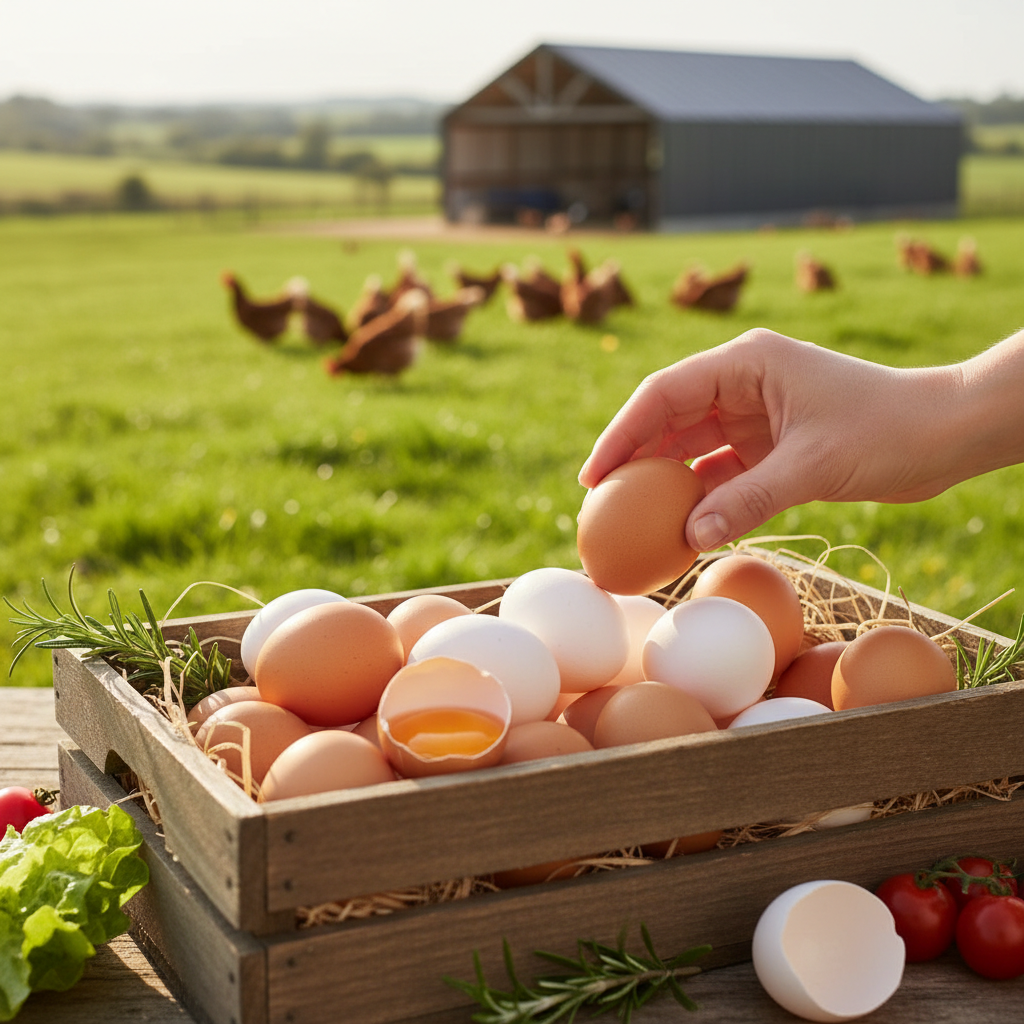
The battle for ethical food systems is heating up, with a significant legal challenge threatening progress in animal welfare. A federal lawsuit filed by the Trump administration against Michigan's pioneering cage-free egg law could roll back years of advocacy, impacting both the welfare of laying hens and consumer choice across the nation. This move highlights a growing tension between state-level environmental and animal welfare regulations and federal intervention.
TL;DR: Key Facts
- The Trump administration's Department of Justice (DOJ) filed a lawsuit against Michigan on January 28, 2026.
- The lawsuit aims to overturn Michigan's state law that bans cages on egg farms and mandates all eggs sold in the state come from cage-free systems.
- A similar lawsuit was filed against California in July 2025, indicating a broader strategy to challenge such state-level animal welfare regulations.
- These legal actions could set a significant precedent for states' abilities to enact their own environmental and animal welfare standards for food production.
What Happened
On January 28, 2026, the Trump administration's Department of Justice (DOJ) initiated legal action against the state of Michigan. The core of the lawsuit is Michigan's progressive law that prohibits the use of cages on egg farms within its borders. Furthermore, the law stipulates that all eggs sold in the state, regardless of their origin, must come from cage-free systems.
This legal challenge is not an isolated incident. The DOJ had previously filed a similar lawsuit against California in July 2025. In both complaints, the federal government is seeking to overturn these state-level mandates, which were established to improve animal welfare standards for laying hens. The specifics of the federal government's legal argument often center on constitutional principles such as the dormant Commerce Clause, contending that state laws unduly burden interstate commerce by imposing standards on out-of-state producers.
These lawsuits represent a direct confrontation between federal power and states' rights to establish their own environmental and agricultural policies. For Michigan and California, these laws reflect growing consumer demand and legislative efforts to move away from conventional caged farming practices, which are widely criticized for their impact on animal welfare. The outcome of these cases will have far-reaching implications for the future of agricultural regulation and the autonomy of states to enact stricter standards than federal minimums.
Why It Matters
This federal challenge to state-level cage-free egg laws strikes at the heart of what GreenNest Living stands for: sustainable, ethical food systems that prioritize both planetary health and animal well-being. For our readers, this isn't just a legal squabble; it's a critical battle for the future of food production and consumer choice. The ability of states like Michigan and California to enact higher animal welfare standards is a cornerstone of progressive food policy, allowing communities to reflect their values through legislation. If these lawsuits succeed, they could dismantle years of advocacy and citizen-led efforts to improve the lives of farm animals.
From an environmental perspective, the shift to cage-free systems, while not without its own challenges, is often seen as a step towards more sustainable agricultural practices. Conventional caged systems, particularly battery cages, concentrate waste and can contribute to localized environmental degradation if not managed properly. While cage-free doesn't automatically mean 'sustainable,' it can facilitate better animal health and management practices that are less resource-intensive in the long run. Overturning these laws could entrench an industrial model of agriculture that often prioritizes cost-efficiency over environmental stewardship and animal welfare, potentially hindering innovation in sustainable farming methods.
Moreover, these lawsuits carry significant implications for consumer transparency and autonomy. Consumers increasingly seek out products aligned with their values, including ethically raised animal products. State laws like Michigan's empower consumers by ensuring that a baseline standard of welfare is met for eggs sold in their markets. A federal rollback could flood markets with eggs from lower-welfare systems, making it harder for consumers to make informed choices and potentially undermining the integrity of 'cage-free' as a meaningful label. It also raises questions about state sovereignty in regulating local markets for the public good, setting a dangerous precedent for other environmental and health regulations that states might wish to impose on food products.
What You Can Do
- Educate Yourself on Egg Labels: Understand the differences between 'cage-free,' 'free-range,' 'pasture-raised,' and 'organic' to make informed choices that align with your values.
- Support Companies with Strong Animal Welfare Policies: Prioritize purchasing eggs and egg products from brands and retailers committed to sourcing only cage-free or higher-welfare eggs, even if not legally mandated.
- Contact Your Legislators: Reach out to your state and federal representatives to express your support for state-level animal welfare laws and the right of states to set higher standards for food production.
- Support Animal Welfare Organizations: Donate to or volunteer with organizations actively lobbying for improved animal welfare standards and defending existing cage-free legislation.
- Demand Transparency: Ask your local grocery stores and restaurants about their egg sourcing policies and encourage them to commit to 100% cage-free options.
- Explore Plant-Based Alternatives: Consider reducing your reliance on eggs by incorporating plant-based egg substitutes or recipes into your diet. This supports animal welfare and diversifies your food choices.
FAQs
Q: What exactly does 'cage-free' mean for hens?
A: 'Cage-free' means hens are not confined in individual cages. They can roam freely within a barn or poultry house, with access to perches, nest boxes, and litter. However, it doesn't necessarily mean they have outdoor access, which is typically associated with 'free-range' or 'pasture-raised' labels.
Q: Why is the federal government challenging these state laws?
A: The federal government often argues that such state laws interfere with interstate commerce, creating an uneven playing field for producers across state lines. They might invoke constitutional principles like the dormant Commerce Clause, claiming that these laws unduly burden out-of-state businesses that operate under different, potentially less stringent, regulations.
Q: How would overturning Michigan's law affect me if I don't live in Michigan?
A: While the direct impact would be on Michigan, such a ruling could set a significant legal precedent. It might deter other states from enacting similar animal welfare or environmental laws, and could even provide grounds for challenging existing laws in states like California. This could ultimately limit the availability of higher-welfare eggs nationwide and impact consumer choice everywhere.
Sources
This article is based on reporting by Food Tank.
Original source
Food Tank
Author, Digital Entrepreneur & AI Creator
More from Food & Environment
- Gardening: A Neurosurgeon's Secret to Longevity & Well-being — May 13, 2026
- Farm to School: Nourishing Kids, Cultivating Community Growth — May 12, 2026
- High-Risk Cheese Outbreak: FDA Alert Amid E. coli Fears — May 11, 2026
- Are Your 'Healthy' Foods Truly Nutritious? New Study Investigates — May 10, 2026
- Australia Battles Food Waste: A Global Sustainability Push — May 9, 2026