Mexico Hits 5 GW Distributed Solar: A Green Energy Milestone
Key Takeaways
- Mexico hit 5.165 GW of distributed solar power by end of 2025.
- This capacity is spread across over 600,000 installations.
- It signifies a major milestone for renewable energy in the region.
- Distributed solar enhances energy resilience and economic benefits.
- The achievement sets a precedent for other nations pursuing decentralized clean energy.
In a world urgently transitioning to sustainable energy, every national milestone in renewable power generation offers a beacon of hope and a practical roadmap. Mexico's latest achievement in distributed solar power isn't just a number; it's a testament to the growing momentum of decentralized clean energy and a significant step towards a more resilient and eco-friendly future for its citizens and the planet.
TL;DR: Key Facts
- Mexico reached 5,164.98 MW (5.165 GW) of distributed solar power capacity.
- This milestone was achieved by the end of 2025.
- The capacity is spread across 600,368 individual installations nationwide.
- All contributing power plants had capacities under 0.7 MW, emphasizing small-scale, localized generation.
What Happened
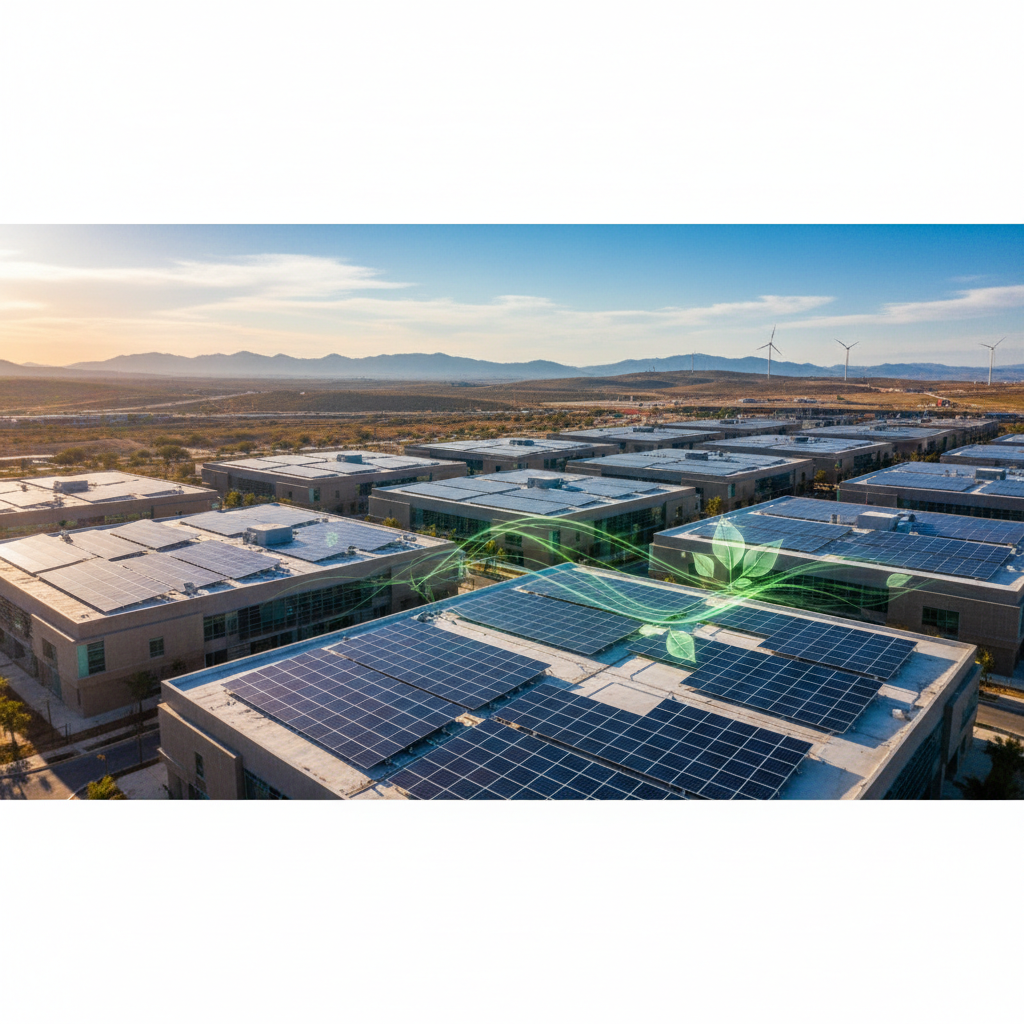
Mexico has officially surpassed the 5-gigawatt (GW) mark for distributed solar power capacity. This significant achievement was realized by the close of 2025, with the nation now boasting 5,164.98 megawatts (5.165 GW) of small-scale, localized solar energy generation.
The impressive capacity is distributed across an extensive network of 600,368 installations throughout the country. Crucially, this milestone highlights the success of small-scale systems, as all contributing power plants are under 0.7 MW in capacity. This focus on smaller installations underscores a strategy favoring decentralized energy production, bringing power generation closer to consumption points across Mexico.
Why It Matters
This 5 GW milestone for Mexico's distributed solar power is far more than just an impressive figure; it represents a fundamental shift in energy paradigms that directly benefits GreenNest Living readers. Distributed solar, where energy is generated close to where it's consumed, offers incredible resilience to national grids, reducing reliance on long-distance transmission lines that are vulnerable to outages and natural disasters. For communities, this means more stable and secure access to power, a cornerstone of sustainable living.
From an economic standpoint, the proliferation of over 600,000 installations means widespread investment in local economies. It creates jobs in installation, maintenance, and manufacturing, fostering green economic growth. Homeowners and businesses with solar panels can significantly reduce their electricity bills, making sustainable choices financially attractive. Environmentally, every kilowatt-hour generated by solar means less reliance on fossil fuels, leading to reduced carbon emissions, cleaner air, and a healthier planet—all core values for our GreenNest Living community.
Moreover, Mexico’s success serves as a powerful example for other nations, particularly in Latin America, demonstrating the viability and benefits of aggressive distributed renewable energy adoption. It shows that with supportive policies and public engagement, a large-scale transition to clean, decentralized power is not only possible but highly advantageous for both people and the environment. This is the future of energy, empowering individuals and communities to take control of their power supply sustainably.
What You Can Do
- Assess Your Solar Potential: Research if solar panels are a viable option for your home or business, considering local incentives and sunlight exposure.
- Support Community Solar: If rooftop solar isn't feasible, look into community solar programs that allow you to invest in off-site solar farms.
- Advocate for Green Policies: Contact your local representatives to express support for policies that encourage renewable energy development and distributed generation.
- Reduce Energy Consumption: Even without solar, reducing your overall energy use lessens the strain on the grid and contributes to a smaller carbon footprint.
- Choose Green Energy Providers: If available, opt for utility plans that source electricity from renewable energy.
- Educate Your Network: Share information about the benefits of solar power and encourage friends and family to explore sustainable energy options.
Ciro's Take
As an environmental advocate, seeing Mexico hit 5 GW of distributed solar power fills me with genuine excitement. This isn't just about a country reaching a target; it's a profound demonstration of how democratizing energy can accelerate our global transition to sustainability. Imagine communities everywhere generating their own clean power, fostering resilience and economic independence. This milestone vividly illustrates that the future of energy is not just about massive power plants, but about empowering millions of small, local installations to collectively build a cleaner, more stable grid. It’s a powerful, tangible step towards the sustainable future GreenNest Living champions.
FAQs
Q: What is distributed solar power?
A: Distributed solar power refers to electricity generated by small-scale solar photovoltaic (PV) systems, typically installed on rooftops or small plots of land, near the point of consumption rather than at large, centralized power plants.
Q: Why is 5 GW a significant milestone?
A: 5 GW represents a substantial amount of clean energy capacity, capable of powering millions of homes. For distributed solar, it signifies widespread adoption and investment, demonstrating the feasibility and growing economic viability of decentralized renewable energy on a national scale.
Q: How does this achievement relate to sustainable living?
A: This milestone directly contributes to sustainable living by reducing reliance on fossil fuels, lowering carbon emissions, and fostering energy independence. It promotes cleaner air, empowers local communities, and often leads to lower energy costs for participants, aligning perfectly with GreenNest Living's mission.
Sources
This article is based on reporting by CleanTechnica.
Original source
CleanTechnica
Author, Digital Entrepreneur & AI Creator
More from Green Tech
- CATL's Lithium-Air Leap: Unlocking Future Energy Density — June 7, 2026
- China's Used EV Market Booms: A Green Tech Milestone — June 6, 2026
- Colorado Blocks Xcel Gas Plan: A Win for Clean Energy — June 5, 2026
- Biofuels' Hidden Strain: EU Fertiliser Crisis & Green Dilemma — June 4, 2026