Seed Swaps: Cultivating Community & Food Resilience
Key Takeaways
- Community seed and plant swaps are growing in popularity, fostering local food resilience.
- They facilitate the exchange of diverse seeds and plants among gardeners and enthusiasts.
- These events significantly boost local biodiversity and preserve heirloom varieties.
- Swaps strengthen community bonds and encourage knowledge sharing among participants.
- They offer an accessible, sustainable way for anyone to engage in gardening and food security.
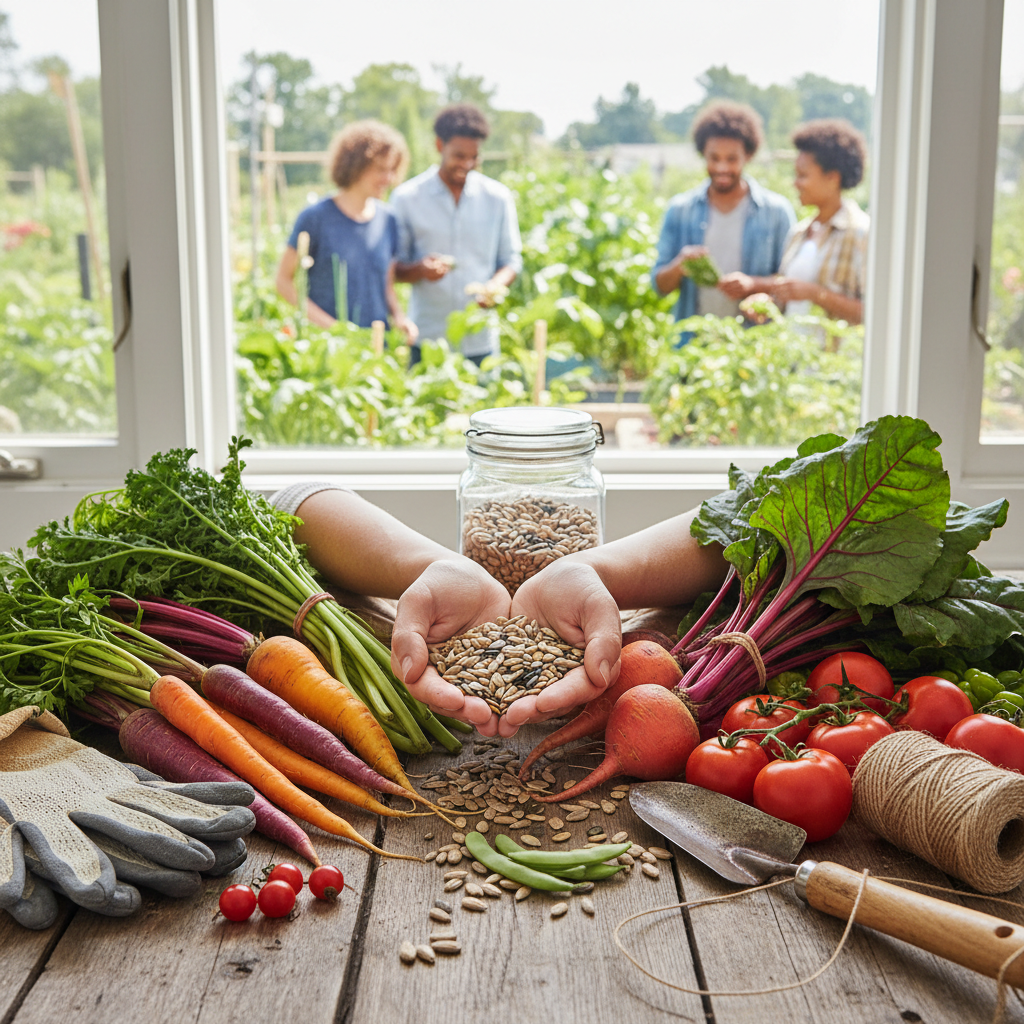
In an era where localized food systems and community resilience are more critical than ever, a quiet revolution is sprouting in neighborhoods worldwide: the seed and plant swap. These vibrant gatherings are not just about sharing horticultural treasures; they're powerful engines for biodiversity, community building, and sustainable living, empowering individuals to take root in their food future.
TL;DR: Key Facts
- Community seed and plant swaps are growing in popularity, fostering local food resilience.
- They facilitate the exchange of diverse seeds and plants among gardeners and enthusiasts.
- These events significantly boost local biodiversity and preserve heirloom varieties.
- Swaps strengthen community bonds and encourage knowledge sharing among participants.
- They offer an accessible, sustainable way for anyone to engage in gardening and food security.
What Happened
As highlighted by Civil Eats, community seed and plant swaps are bringing together a diverse cross-section of society – from seasoned farmers and enthusiastic young children to dedicated plant enthusiasts and local gardeners. Participants arrive, even in snowy conditions, eager to contribute their unique botanical treasures. The scene is one of vibrant exchange, where a rich variety of seeds and plant cuttings are shared, ranging from the spiky heads of marigolds and glossy multi-colored flint corn to flat squash seeds and tiny round broccoli seeds.
These events exemplify a grassroots movement where the joy of gardening meets the spirit of collaboration. Far from being exclusive clubs, they are inclusive spaces where everyone, regardless of experience, can contribute to and benefit from a collective pool of genetic diversity. The shared act of bringing seeds, plants, and knowledge creates a tangible sense of community, reinforcing local networks and fostering a collective commitment to sustainable practices.
Why It Matters
For GreenNest Living readers, the resurgence of community seed and plant swaps holds profound significance for both food security and environmental stewardship. In an increasingly globalized and commoditized food system, these local exchanges offer a vital counter-narrative. By sharing open-pollinated, often heirloom, seeds, communities are actively diversifying their local food supply. This practice reduces dependence on a handful of large seed companies and genetically uniform crops, which are often less resilient to regional pests, diseases, and changing climate conditions. A diversified seed bank within a community acts as a living, breathing insurance policy for future harvests, ensuring that locally adapted varieties thrive and remain available for generations.
Beyond immediate food security, seed swaps are pivotal for ecological health. The act of sharing and growing a wider array of plant species directly contributes to biodiversity, both in local gardens and the broader ecosystem. Each unique variety of seed shared represents a unique set of genetic traits, which can be invaluable for adapting to new environmental challenges. Preserving these diverse strains prevents the loss of crucial genetic material, which is a major concern in modern agriculture. Furthermore, by encouraging local gardening and the use of locally sourced, often organically grown, seeds, these swaps inherently reduce the carbon footprint associated with long-distance transportation and industrial farming practices, fostering healthier soils and encouraging pollinator habitats.
Economically, participating in a seed or plant swap is a practical step towards a more sustainable lifestyle. It offers an accessible way for individuals to acquire new plants and expand their gardens without incurring significant costs, making gardening more inclusive and affordable. This direct exchange also fosters a culture of self-sufficiency and mutual aid, critical components of resilient communities. For environmental enthusiasts, it's a tangible way to engage with eco-conscious practices, promoting not just the growth of plants, but the growth of a more connected, resilient, and environmentally responsible local culture.
What You Can Do
- Find a Local Swap: Search online, check community centers, garden clubs, or farmers' markets for existing seed and plant swap events in your area. Many local libraries or environmental groups also host them.
- Organize Your Own Swap: If there isn't one nearby, consider initiating your own! Start small with friends or neighbors, or partner with a local community garden, library, or school. Provide clear guidelines for what can be shared (e.g., non-GMO, healthy, labeled seeds/plants).
- Start Saving Seeds: Learn the basics of seed saving from your favorite open-pollinated vegetables, herbs, and flowers. Proper saving techniques ensure viability for future swaps and your own garden.
- Label Your Contributions Clearly: Whether you're swapping or saving, accurate labeling with plant name, variety, year collected, and any special growing notes is crucial for successful exchanges and garden planning.
- Share Your Knowledge & Enthusiasm: Bring not just seeds, but also your gardening stories, tips, and experiences to swaps. The exchange of knowledge is as valuable as the exchange of plants.
- Grow Diverse Varieties: Make an effort to cultivate a variety of plants in your garden, especially heirloom or local strains. The more diverse your garden, the more you have to share and the more resilient your local ecosystem becomes.
FAQs
Q: What kind of seeds or plants are suitable for a swap?
A: Generally, open-pollinated, non-GMO, healthy, and pest-free seeds and plant cuttings are preferred. Clearly label everything with its name, variety, and the year it was collected.
Q: Do I need to be an experienced gardener to participate in a seed swap?
A: Absolutely not! Seed swaps are welcoming environments for gardeners of all skill levels. They are excellent places to learn, get advice, and acquire new varieties to try, even if you're a beginner.
Q: How can I find a local seed and plant swap in my community?
A: Start by checking online community calendars, local gardening club websites, farmers' market announcements, or inquiring at your local library, community center, or nursery. Social media groups for local gardeners are also a great resource.
Sources
This article is based on reporting by Civil Eats.
Original source
Civil Eats
Author, Digital Entrepreneur & AI Creator
More from Food & Environment
- Gardening: A Neurosurgeon's Secret to Longevity & Well-being — May 13, 2026
- Farm to School: Nourishing Kids, Cultivating Community Growth — May 12, 2026
- High-Risk Cheese Outbreak: FDA Alert Amid E. coli Fears — May 11, 2026
- Are Your 'Healthy' Foods Truly Nutritious? New Study Investigates — May 10, 2026
- Australia Battles Food Waste: A Global Sustainability Push — May 9, 2026