The Human Cost of Our Food: How ICE Actions Impact Minnesota Farms
Key Takeaways
- ICE crackdowns are causing severe labor shortages and fear in agricultural communities.
- Immigrant workers are essential to the resilience and function of our food system.
- Disruptions to farm labor directly impact local economies and food availability for consumers.
- True sustainability encompasses social justice, humane labor practices, and community well-being.
- Consumers can advocate for reform, support ethical farms, and educate themselves on these critical issues.
The Unseen Crisis on Our Plates: When Immigration Policy Shakes Sustainable Food
At GreenNest Living, we often explore the vibrant tapestry of sustainable living – from eco-friendly homes to conscious consumption. But what happens when the very foundation of our food system, the human element, is destabilized? As reported by Civil Eats on January 15, 2026, recent Immigration and Customs Enforcement (ICE) operations, particularly those that have roiled Minneapolis and led to tragic outcomes, are casting a long shadow over Minnesota's farms and food businesses. Legislators, government officials, and farmers themselves are sounding the alarm, with one powerful statement echoing across the state: “ICE is terrorizing our communities.” This isn't just a humanitarian crisis; it’s a direct threat to the resilience and ethical integrity of our food supply.
The Invisible Workforce: Why Immigrant Labor is Crucial for Our Food System
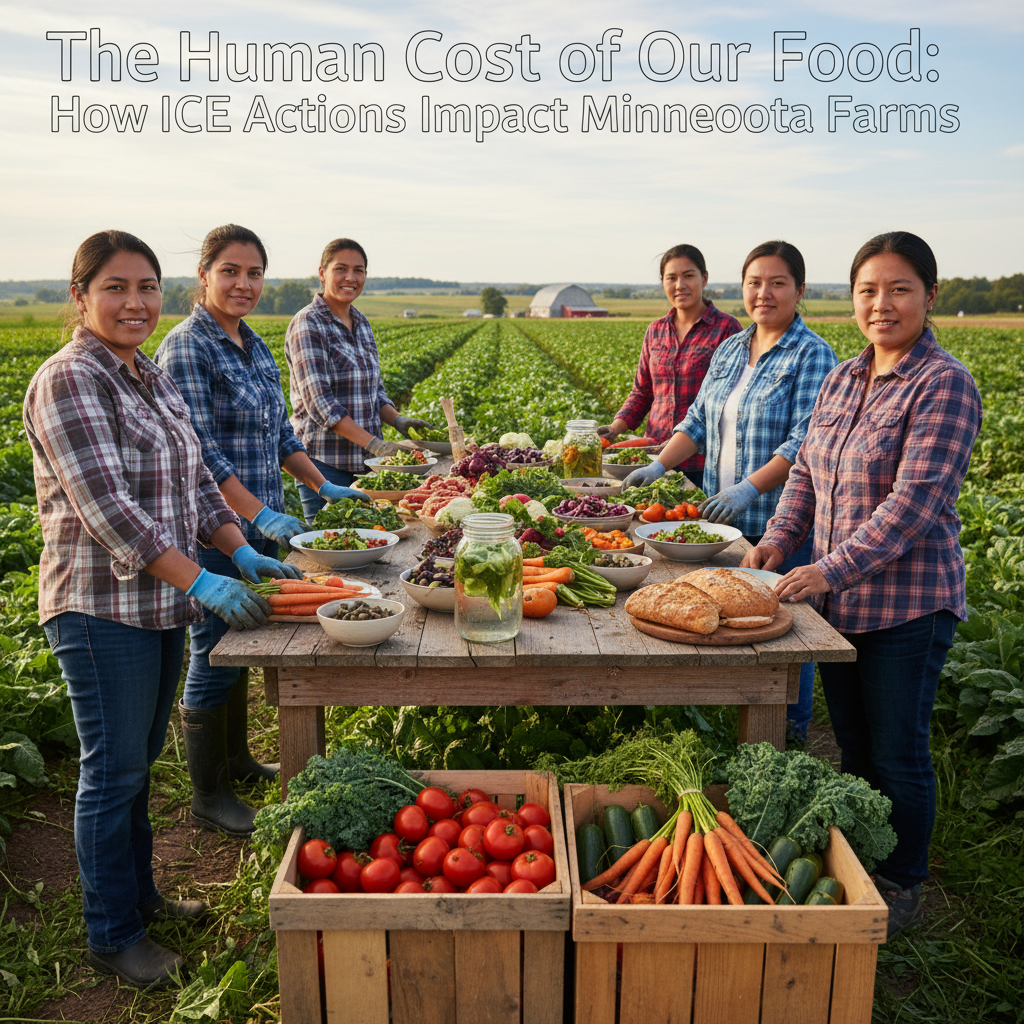
Many of us envision bucolic scenes of local farms, perhaps picturing the farmer themselves tending to every crop. The reality, however, is that our agricultural sector, especially in states like Minnesota, relies heavily on immigrant labor. These dedicated individuals, often working long hours in demanding conditions, are the backbone of everything from planting and harvesting to processing and packaging. They ensure the fresh produce reaches our tables, the dairy products fill our refrigerators, and the meat arrives at our stores.
The current ICE crackdown introduces an unprecedented level of fear and uncertainty. When workers are detained, deported, or simply too afraid to show up for work, the consequences are immediate and severe. Farms face critical labor shortages, leading to unharvested crops, reduced production, and immense financial strain. This isn't an abstract problem; it's a tangible disruption that impacts the very food security and economic stability of a region. For a magazine focused on sustainable living, understanding this interdependence is paramount. A truly sustainable food system isn't just about organic practices or reducing carbon footprints; it’s fundamentally about equity, respect, and ensuring humane conditions for all who contribute to bringing food to our tables.
Ripple Effects on Your Plate: From Farm to Fork Disruption
The impact of these operations extends far beyond the farm gate. When farms struggle, so do local economies. Supply chains are disrupted, which can lead to higher prices for consumers, reduced availability of locally grown produce, and even the closure of small businesses. For those who consciously choose to support local and sustainable food, this situation is particularly poignant. The very integrity of the ‘local’ label comes into question when the people who make it possible are under duress. Farmers, who have often invested years building their operations and contributing to community food security, are finding their livelihoods threatened not by weather or pests, but by policy.
GreenNest Living readers understand that food is more than just fuel; it's a connection to the land, to community, and to the people who cultivate it. When policies create such profound distress within the human fabric of our food system, it forces us to confront uncomfortable truths about what 'sustainable' truly means. It highlights that social sustainability – fair labor practices, human dignity, and community well-being – is not a separate issue but an intrinsic component of environmental and economic sustainability.
Building a Resilient, Equitable Food Future: Advocacy and Awareness
This situation in Minnesota serves as a stark reminder that our food system is fragile and interconnected. Building resilience means addressing vulnerabilities at every level, including the social and political. It requires us to look beyond simplistic narratives and understand the complex realities faced by agricultural communities. Advocacy for more humane and rational immigration policies is crucial, as is supporting efforts to protect and empower immigrant workers.
We, as conscious consumers, have a powerful role to play. By understanding these challenges, we can make more informed choices and become advocates for a food system that truly reflects our values. A system where the hands that feed us are respected, protected, and integrated, not terrorized. This is an opportunity for GreenNest Living readers to deepen their commitment to sustainability by extending their gaze from the farm field to the lives of the farmworkers themselves.
Empowering Your Choices: Actionable Steps for Conscious Consumers
What can you do to support a more just and sustainable food system in light of these challenges?
-
Educate Yourself and Others:
Stay informed about immigration policies and their impact on agriculture. Share reliable information from sources like Civil Eats with your community. Understanding is the first step towards change.
-
Support Ethical & Local Farms:
Seek out farms that publicly commit to fair labor practices and worker welfare. Engage with your local farmers at markets; ask them about their labor force and how they support their workers. Many local farms are actively trying to navigate these complexities ethically.
-
Advocate for Humane Policies:
Contact your elected officials at local, state, and federal levels. Express your concern about the impact of current immigration enforcement on food security and human rights. Support comprehensive immigration reform that includes pathways to legal status for agricultural workers.
-
Support Worker Rights Organizations:
Donate to or volunteer with organizations that provide legal aid, support services, and advocacy for immigrant farmworkers and their families. These groups are often on the front lines, providing essential relief and fighting for justice.
-
Choose Your Food Thoughtfully:
Consider the full journey of your food. When possible, prioritize purchasing from transparent supply chains, farmer-owned cooperatives, and businesses known for their ethical sourcing and labor practices. Every dollar you spend is a vote for the kind of food system you want to see.
Original source
GreenNest Living Editorial
Author, Digital Entrepreneur & AI Creator
More from Food & Environment
- Gardening: A Neurosurgeon's Secret to Longevity & Well-being — May 13, 2026
- Farm to School: Nourishing Kids, Cultivating Community Growth — May 12, 2026
- High-Risk Cheese Outbreak: FDA Alert Amid E. coli Fears — May 11, 2026
- Are Your 'Healthy' Foods Truly Nutritious? New Study Investigates — May 10, 2026
- Australia Battles Food Waste: A Global Sustainability Push — May 9, 2026