US Diet Guidelines Shift: Less Processed, More Whole Foods
Key Takeaways
- The 2025–2030 Dietary Guidelines for Americans have been released.
- A core recommendation is to significantly reduce the consumption of processed foods and refined carbohydrates.
- The guidelines strongly advocate for an increased intake of whole, unprocessed foods.
- Long-standing dietary advice concerning fats, protein, and dairy has been revised.
A significant shift in America’s nutritional landscape is underway, with the release of new dietary guidelines poised to transform how millions approach their daily meals. This isn't just about what's on your plate; it's a powerful statement impacting public health, the food industry, and the environmental footprint of our food system.
TL;DR: Key Facts
- The 2025–2030 Dietary Guidelines for Americans have been released.
- A core recommendation is to significantly reduce the consumption of processed foods and refined carbohydrates.
- The guidelines strongly advocate for an increased intake of whole, unprocessed foods.
- Long-standing dietary advice concerning fats, protein, and dairy has been revised.
What Happened
The Trump administration has officially unveiled the 2025–2030 Dietary Guidelines for Americans, marking a pivotal moment in the nation's public health strategy. These guidelines serve as the authoritative nutritional advice for individuals aged two and older, influencing everything from school lunch programs to medical dietary recommendations.
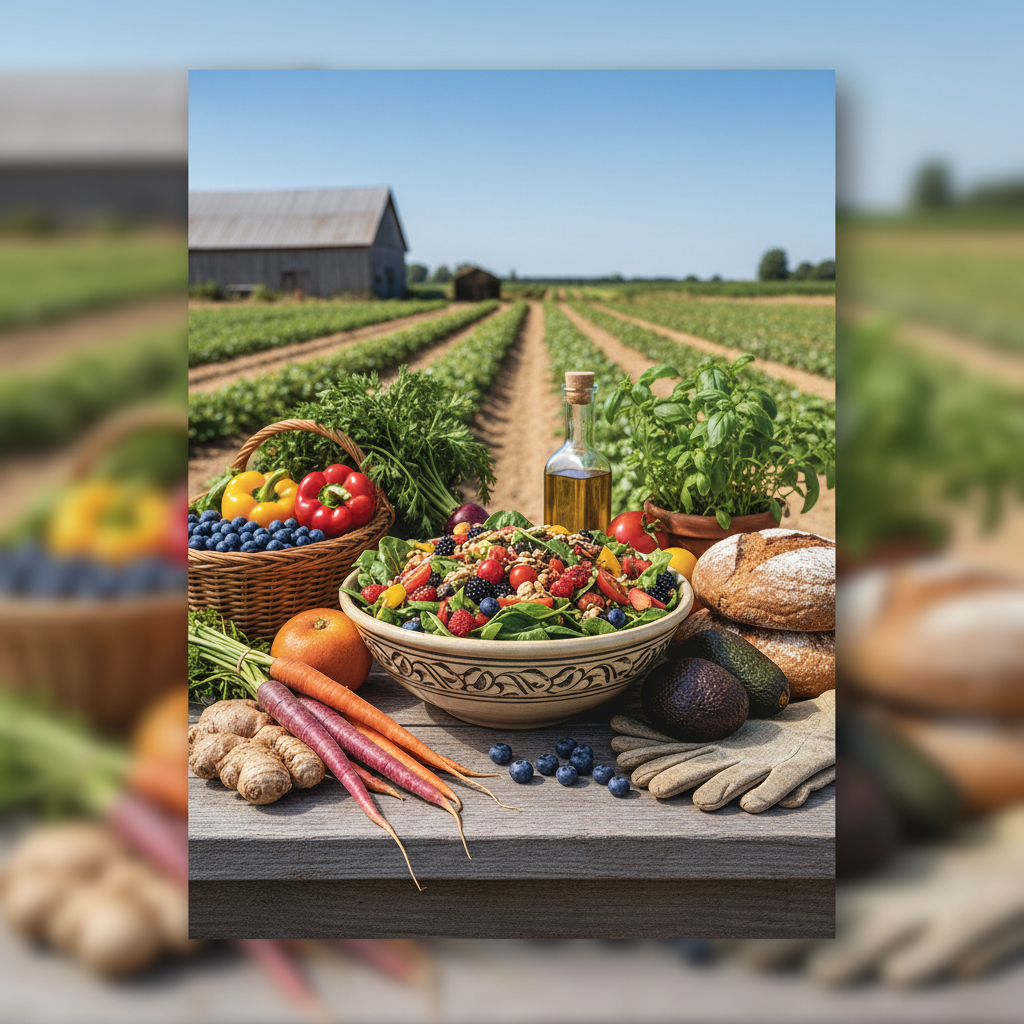
Central to the new recommendations is a firm call to action: significantly decrease the intake of processed foods and refined carbohydrates. This marks a clear departure from past guidelines that, while encouraging healthy choices, did not always place such a strong emphasis on the detrimental effects of ultra-processed items. Concurrently, the guidelines champion the increased consumption of whole, unprocessed foods, urging Americans to prioritize ingredients in their most natural state.
Beyond this overarching directive, the new guidelines also include revisions to long-standing advice on specific macronutrients. Fats, protein, and dairy — staples of the American diet — have received updated recommendations, reflecting evolving scientific understanding and aiming for a more holistic approach to nutrition that supports overall health and well-being.
Why It Matters
As a publication dedicated to sustainable living, GreenNest Living recognizes that dietary guidelines extend far beyond individual health choices. This shift towards reducing processed foods and embracing whole foods has profound implications for both our personal well-being and the health of our planet. From an environmental perspective, industrial-scale production of processed foods often entails significant energy consumption, extensive use of artificial ingredients, and complex supply chains that contribute to higher carbon emissions and greater resource depletion.
By encouraging a return to whole, unprocessed foods, these guidelines inherently support more sustainable agricultural practices. Local farms that produce fresh fruits, vegetables, and ethically sourced proteins often operate with a smaller environmental footprint compared to large-scale industrial operations. This pivot could foster greater demand for diverse crops, promote regenerative farming techniques, and reduce the reliance on monoculture systems that deplete soil health and biodiversity.
Furthermore, these recommendations align with a broader global movement towards food systems reform. Recognizing indigenous wisdom and traditional diets, which inherently favor whole foods and localized production, the guidelines subtly nudge consumers towards choices that resonate with ecological balance and community resilience. For our readers, this means not only making healthier personal choices but also participating in a larger movement that champions a more sustainable, equitable, and environmentally conscious food future.
What You Can Do
Here are actionable steps you can take to align with the new dietary guidelines and support a greener lifestyle:
- Prioritize Whole Ingredients: Focus on fresh fruits, vegetables, whole grains, legumes, nuts, seeds, and lean, unprocessed proteins. Shop the perimeter of the grocery store.
- Read Food Labels Carefully: Become adept at identifying processed foods by looking for long ingredient lists, added sugars, unhealthy fats, and artificial additives.
- Cook More at Home: Preparing meals from scratch gives you full control over ingredients and helps reduce reliance on pre-packaged, processed options.
- Explore Plant-Based Options: Incorporate more plant-based meals into your diet, which are often rich in whole foods and have a lower environmental impact.
- Support Local and Sustainable Farms: Purchase produce from farmers' markets or join a CSA (Community Supported Agriculture) to ensure access to fresh, minimally processed food and support eco-friendly agriculture.
- Educate Yourself Further: Access the full 2025–2030 Dietary Guidelines for Americans or reputable summaries to deepen your understanding of the specific recommendations.
FAQs
Q: Who is responsible for issuing these new dietary guidelines?
A: The 2025–2030 Dietary Guidelines for Americans were issued by the Trump administration.
Q: What is the most significant change in these new guidelines?
A: The strongest emphasis is placed on reducing the consumption of processed foods and refined carbohydrates, advocating instead for whole, unprocessed foods.
Q: How do these dietary recommendations relate to environmental sustainability?
A: By promoting whole foods, the guidelines indirectly support sustainable agriculture, reduce demand for resource-intensive processed food production, and encourage dietary choices with a lower carbon footprint.
Sources
This article is based on reporting by Food Tank.
Original source
Food Tank
Author, Digital Entrepreneur & AI Creator
More from Food & Environment
- Gardening: A Neurosurgeon's Secret to Longevity & Well-being — May 13, 2026
- Farm to School: Nourishing Kids, Cultivating Community Growth — May 12, 2026
- High-Risk Cheese Outbreak: FDA Alert Amid E. coli Fears — May 11, 2026
- Are Your 'Healthy' Foods Truly Nutritious? New Study Investigates — May 10, 2026
- Australia Battles Food Waste: A Global Sustainability Push — May 9, 2026