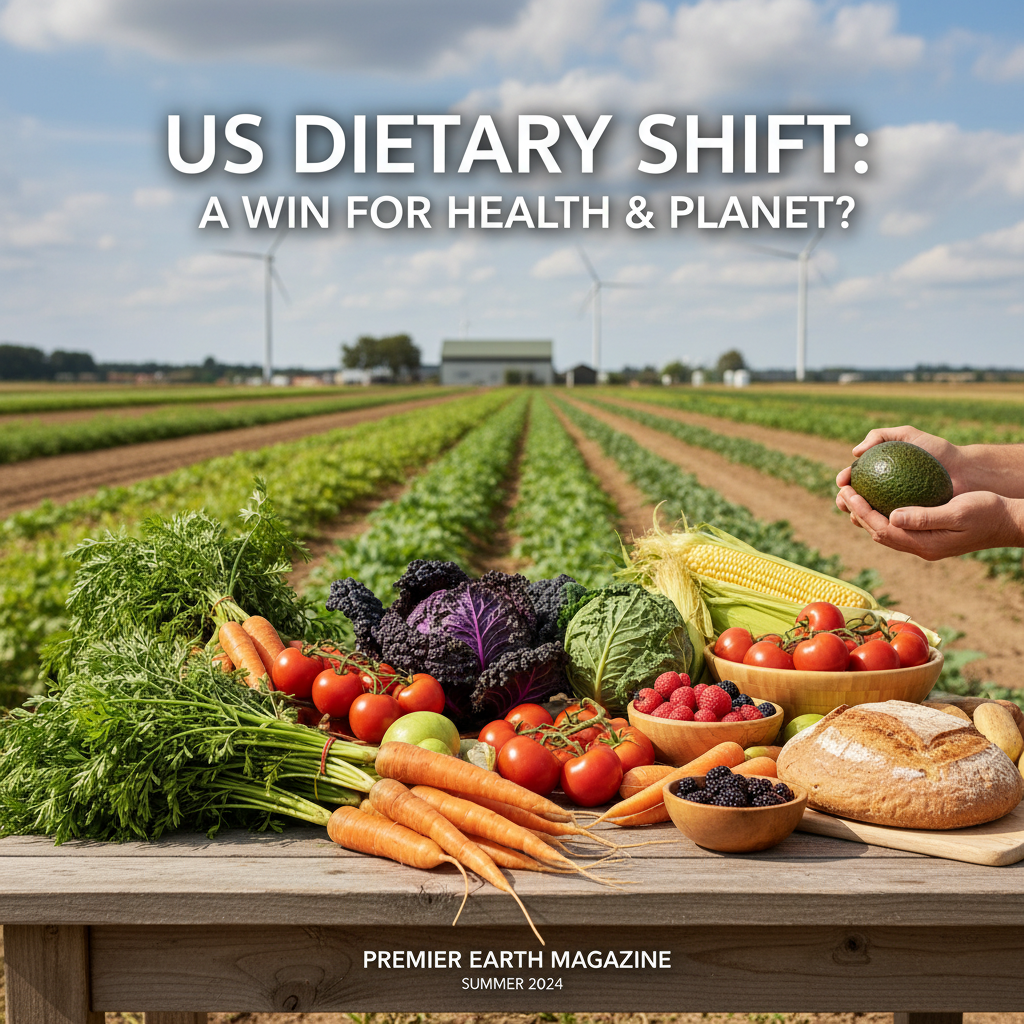
US Dietary Shift: A Win for Health & Planet?
Key Takeaways
- New 2025–2030 US Dietary Guidelines released.
- Strong emphasis on reducing processed foods.
- Recommendations include cutting down on refined carbohydrates.
- Revised advice on fats, protein, and dairy.
- Overall promotion of a diet rich in whole, unprocessed foods.
In a significant move that could redefine the American plate, the latest 2025–2030 Dietary Guidelines for Americans have been released, signaling a clear shift towards whole, unprocessed foods. This isn't just about personal health; it's a pivotal moment with far-reaching implications for our environment, food systems, and the future of sustainable living. For GreenNest Living readers, understanding this shift is key to making choices that benefit both body and planet.
TL;DR: Key Facts
- The 2025–2030 Dietary Guidelines for Americans have been released by the Trump administration.
- A primary recommendation is to reduce consumption of processed foods.
- The guidelines also call for a decrease in refined carbohydrates.
- Advice on fats, protein, and dairy has been revised.
- The overarching aim is to promote a dietary pattern rich in whole foods.
What Happened
The recently unveiled 2025–2030 Dietary Guidelines for Americans represent a notable evolution in official nutritional advice. Spearheaded under the Trump administration, these guidelines pivot away from previous emphases, now explicitly urging the public to significantly cut down on processed foods. This includes a clear directive to reduce the intake of refined carbohydrates, a dietary component often linked to ultra-processed items and various health concerns.
Beyond these specific reductions, the new guidelines also indicate a revision of long-standing advice concerning the consumption of fats, protein, and dairy. While the specifics of these revisions are not detailed in the initial reporting, the overall trajectory points towards a more holistic approach to eating, prioritizing nutrient-dense, less-altered ingredients. This shift encourages consumers to embrace a diet predominantly composed of whole foods, moving towards eating patterns that align more closely with traditional, nature-based sustenance.
Why It Matters
For the GreenNest Living community, these new dietary guidelines carry immense weight, extending far beyond individual health. The explicit call to reduce processed foods and embrace whole foods is a powerful statement about the interconnectedness of our diet, our environment, and the long-term sustainability of our global food systems. Processed foods, by their very nature, typically require more energy and resources for their production, from the intensive farming of monocrops for specific ingredients to the manufacturing processes themselves. They also utilize extensive packaging, often single-use plastic, contributing significantly to landfill waste and ocean pollution. Furthermore, their complex global supply chains add to carbon emissions through transportation and storage. By collectively shifting away from these resource-intensive products, we can significantly reduce our collective environmental footprint.
Moreover, a diet centered on whole foods inherently encourages more localized and seasonal eating practices. This shift actively supports local farmers, strengthens regional economies, and can foster greater agricultural biodiversity, as consumers demand a wider variety of fresh produce. Reducing the demand for highly processed ingredients could also lead to a decrease in the prevalence of industrial agriculture, which is often associated with soil depletion, excessive water usage, and pesticide runoff. Instead, it promotes more diverse and regenerative farming methods that are crucial for ecological health. This policy shift, therefore, isn't merely about what's on our plates; it's about fostering a healthier planet through more mindful, responsible consumption patterns that regenerate natural resources rather than depleting them.
Ultimately, these guidelines could empower millions of Americans to make choices that resonate deeply with GreenNest Living's core values of sustainability and well-being. By aligning official health recommendations with sustainable food practices, the government is inadvertently endorsing a path that leads to both profound personal health benefits and enhanced ecological resilience. It sets a precedent, influencing food manufacturers to innovate, retailers to stock healthier options, and potentially guiding agricultural policy towards a more sustainable and equitable future for all.
What You Can Do
Here’s how you can align your daily choices with the new dietary guidelines and support a more sustainable lifestyle:
- Prioritize Whole Foods: Consciously choose fruits, vegetables, whole grains, legumes, nuts, and unprocessed proteins as the base of your meals.
- Read Food Labels Carefully: Look for short ingredient lists. Avoid products with numerous unfamiliar additives, high sugar content, or refined grains as primary ingredients.
- Cook More at Home: Preparing meals from scratch gives you full control over ingredients, minimizing processed components and reducing packaging waste.
- Support Local and Seasonal: Opt for produce from local farmers' markets or CSAs. This often means less processing, fresher food, and a smaller carbon footprint.
- Reduce Refined Carbohydrates: Swap white bread, pasta, and sugary snacks for their whole-grain counterparts or natural alternatives like fruits and vegetables.
- Plan Your Meals: Meal planning can help prevent impulse buys of processed convenience foods and ensure you have healthy, whole-food options readily available.
FAQs
Q: What exactly are "processed foods" in this context?
A: While all food undergoes some level of processing, these guidelines likely refer to "ultra-processed foods" – items with many added ingredients like sugars, fats, artificial flavors, and preservatives, typically found in packaged snacks, sugary drinks, and ready-to-eat meals.
Q: How do these guidelines specifically impact the environment?
A: Reducing processed foods lessens demand for resource-intensive industrial farming, decreases energy used in manufacturing and transport, and cuts down on plastic packaging waste, all contributing to a smaller environmental footprint.
Q: Is this a significant departure from previous dietary advice?
A: Yes, explicitly calling for a reduction in processed foods and refined carbohydrates represents a more direct and stronger stance compared to previous guidelines, which often focused more on individual nutrients rather than food categories.
Sources
This article is based on reporting by Food Tank.
Original source
Food Tank
Author, Digital Entrepreneur & AI Creator
More from Food & Environment
- Gardening: A Neurosurgeon's Secret to Longevity & Well-being — May 13, 2026
- Farm to School: Nourishing Kids, Cultivating Community Growth — May 12, 2026
- High-Risk Cheese Outbreak: FDA Alert Amid E. coli Fears — May 11, 2026
- Are Your 'Healthy' Foods Truly Nutritious? New Study Investigates — May 10, 2026
- Australia Battles Food Waste: A Global Sustainability Push — May 9, 2026