2025: Human Activity's Devastating Toll on Global Wildlife
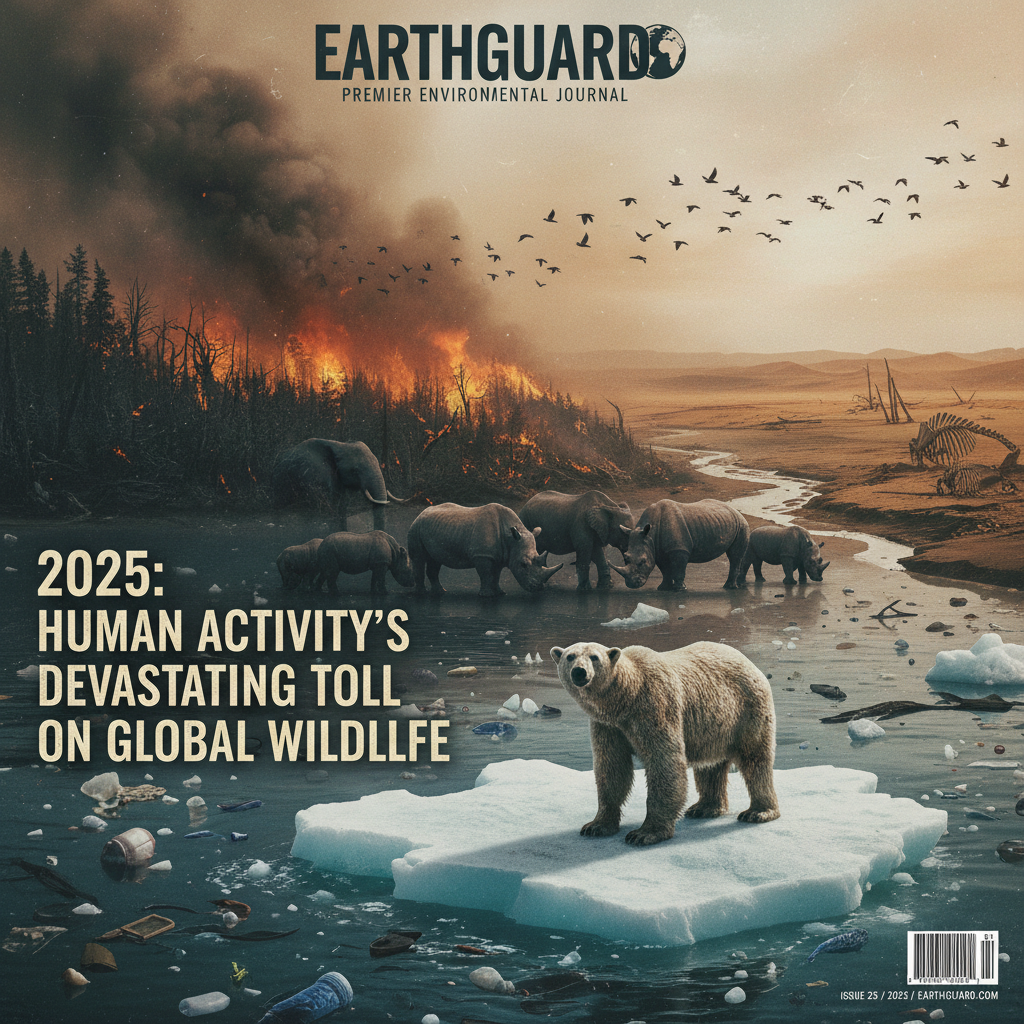
Key Takeaways
- Billions of animals died globally in 2025 due to human activity.
- Most of these animal deaths occurred without public knowledge.
- The scale of animal loss indicates a profound, silent ecological crisis.
- Human activities are exerting immense pressure on Earth's biodiversity.
- Urgent action is needed to address the cumulative impact of human presence on wildlife.
The silent crisis unfolding beneath our feet and above our heads is far more devastating than many realize. New reports indicate that in a single year, 2025, human actions led to the deaths of billions of animals worldwide, a staggering figure that demands immediate attention and reflection from us all. This isn't just a number; it's a stark reminder of our profound impact on the planet's delicate ecosystems and the creatures that inhabit them.
TL;DR: Key Facts
- Billions of animals died globally in 2025 due to human activity.
- Most of these deaths occurred without public awareness or attention.
- The scale of loss underscores a pervasive, often unseen, environmental crisis.
- This data highlights the urgent need for reassessing human-environment interactions.
What Happened
According to 'The Animal Reader,' an independent news platform dedicated to animal and environmental news, the year 2025 witnessed a catastrophic toll on global animal populations, with human activity directly responsible for the deaths of billions of creatures. This shocking statistic underlines the profound and often invisible pressure our species exerts on the planet's intricate web of life. The report highlights that the vast majority of these fatalities occurred 'quietly, far from public attention,' suggesting a pervasive and unacknowledged environmental crisis that operates beneath the surface of daily news cycles. This isn't about a single, dramatic event, but rather the cumulative, relentless impact of our collective actions.
This unprecedented loss stems from a myriad of human-driven factors that have intensified in recent decades. These include the relentless expansion of agriculture and urban areas, leading to critical habitat destruction and fragmentation. Pollution, in its many forms – from plastic accumulating in oceans to industrial chemicals contaminating soil and water, and light pollution disorienting nocturnal animals – plays a significant role. Furthermore, the accelerating effects of climate change, driven by human emissions, are altering ecosystems faster than many species can adapt, leading to food shortages, extreme weather events, and disease proliferation. Unsustainable resource extraction, such as overfishing and logging, also depletes vital animal populations and their natural homes. The sheer scale of 'billions' signifies not just individual tragedies, but a systemic assault on biodiversity, threatening the very foundations of ecological stability.
Why It Matters
For GreenNest Living readers, this news is far more than a disheartening statistic; it's a profound wake-up call and a direct challenge to our mission of fostering sustainable coexistence. The reported loss of billions of animals due to human activity in 2025 isn't just an ecological tragedy; it represents a critical destabilization of the planetary systems that sustain all life, including our own. It forces us to confront the reality that our consumption patterns, industrial processes, and land use decisions have far-reaching, often lethal, consequences for the non-human world. When we discuss 'Wildlife & Nature News,' we're not just observing; we're analyzing the health of our shared home, and this report indicates a severe illness requiring immediate, aggressive treatment. The environmental health of our planet is inextricably linked to the well-being and diversity of its animal inhabitants.
The 'silent' nature of these deaths, as emphasized by 'The Animal Reader,' makes this crisis particularly insidious and dangerous. It means that while public attention might be drawn to highly publicized endangered species or dramatic environmental disasters, a quiet, relentless attrition is occurring on a global scale, largely unnoticed by the wider population. This systemic loss isn't confined to charismatic megafauna; it encompasses countless insects, marine life, birds, and smaller mammals – species that collectively form the backbone of ecological services. These services, often taken for granted, include everything from pollination of crops, natural pest control, and decomposition of organic matter, to soil aeration, water purification, and climate regulation. The degradation of these fundamental processes due to widespread animal loss directly undermines human food security, public health, and economic stability. A healthy, resilient planet demands robust and diverse animal populations, and their rapid decline is a red flag for our collective future.
Understanding the true, devastating impact of human activity compels us to move beyond superficial eco-friendly gestures and embrace a deep, transformative commitment to environmental stewardship. It demands a critical examination of our individual choices – from the products we purchase and the energy we consume, to the policies we support and the investments we make. It calls for systemic changes in how industries operate, how governments legislate, and how communities develop. Recognizing that every unsustainable practice contributes to the quiet extinction of billions of lives should serve as a powerful motivator for fostering a truly sustainable and harmonious relationship with the natural world. This is not just about saving animals; it's about preserving the intricate balance that allows GreenNest Living to thrive, now and for generations to come.
What You Can Do
The scale of animal loss can feel overwhelming, but individual and collective actions, when multiplied, create significant change. Here’s how GreenNest Living readers can contribute to reversing this devastating trend and protecting wildlife:
- Champion Sustainable Consumption: Critically evaluate your purchasing habits. Prioritize products that are ethically sourced, durable, require minimal resources to produce, and come from companies with transparent, eco-friendly supply chains. Reducing overall consumption is key to lessening demand on finite natural resources and reducing habitat destruction.
- Embrace a Plant-Rich Diet: Transitioning towards a more plant-based diet significantly reduces the environmental footprint associated with industrial animal agriculture, which is a leading cause of deforestation, water pollution, and greenhouse gas emissions. When consuming animal products, choose those from certified sustainable, humane, and local sources.
- Support & Advocate for Conservation: Actively seek out and support reputable conservation organizations, both local and global, through donations, volunteering, or simply spreading awareness. Additionally, contact your political representatives to advocate for stronger environmental protections, the expansion of protected areas, and policies that promote biodiversity and sustainable land management.
- Reduce Your Chemical Footprint: Minimize or eliminate the use of pesticides, herbicides, and synthetic fertilizers in your home, garden, and community spaces. These chemicals inevitably leach into the environment, poisoning insects, birds, and aquatic life, disrupting delicate food webs. Explore organic and natural alternatives for pest control and plant nutrition.
- Educate and Engage Your Community: Share knowledge about the profound impact of human activity on wildlife with friends, family, and colleagues. Initiate discussions about sustainable practices, climate change, and the importance of biodiversity. Community engagement and collective understanding are vital for building a movement towards greater environmental responsibility.
- Restore Local Habitats: Participate in local initiatives for habitat restoration, such as tree planting, native garden projects, or river clean-ups. Even small actions, like creating a wildlife-friendly backyard with native plants and water sources, can provide crucial sanctuaries and stepping stones for local fauna.
FAQs
Q: What types of human activities primarily cause these animal deaths?
A: These deaths result from a combination of factors including habitat destruction (deforestation, urbanization), pollution (plastic, chemical, light), climate change, unsustainable resource extraction, and direct human-wildlife conflict.
Q: Why are these deaths often "quiet" and unnoticed?
A: Many deaths occur in remote ecosystems, involve smaller or less charismatic species, are cumulative over time rather than sudden, or are the result of systemic issues like habitat fragmentation and chemical runoff that aren't immediately visible to the public.
Q: Is there any hope for reversing this trend?
A: Yes, collective and individual actions to reduce environmental footprints, support conservation, advocate for sustainable policies, and restore degraded habitats can make a significant difference in reversing biodiversity loss and promoting healthier ecosystems.
Sources
This article is based on reporting by The Animal Reader.
Original source
The Animal Reader
Author, Digital Entrepreneur & AI Creator
More from Wildlife & Nature News
- The Silent Drain: Sand Scarcity Threatens Global Ecosystems — May 13, 2026
- Celestial Glimpse: Earth's Glow, Our Lost Night Skies — May 11, 2026
- Google's UK Datacentre Emissions Understated by Factor of Five — May 10, 2026
- Cosmic Beacon: Earth's Glow Inspires Global Stewardship — May 9, 2026
- Amazon Tipping Point: Deforestation, Warming Threaten Rainforest by 2040s — May 8, 2026