Amazon Tipping Point: Deforestation, Warming Threaten Rainforest by 2040s
Key Takeaways
- The Amazon Rainforest could reach an irreversible 'tipping point' by the 2040s.
- This crisis is driven by the combined effects of deforestation and global warming.
- A loss of 22-28% of the rainforest could trigger a systemic, irreversible collapse.
- The transformation would turn vast rainforest areas into drier, savanna-like landscapes.
- This has devastating implications for global climate regulation, biodiversity, and regional weather.
The Amazon, often called the “lungs of the Earth,” is facing an unprecedented threat. New research published in Nature reveals a stark warning: the rainforest could reach a critical tipping point by the 2040s, far sooner than many previously believed. This isn't just about trees; it's about the air we breathe, the climate we depend on, and the incredible biodiversity that calls this vital ecosystem home.
TL;DR: Key Facts
- The Amazon Rainforest is projected to reach an irreversible “tipping point” by the 2040s.
- This rapid decline is primarily fueled by the dual pressures of ongoing deforestation and global climate change.
- The study indicates that a loss of 22-28% of the rainforest could trigger this ecological collapse.
- Reaching this threshold could transform vast areas of the Amazon into a drier, savanna-like landscape.
- The ecological shift threatens immense biodiversity, regional weather patterns, and the planet's carbon cycle.
What Happened
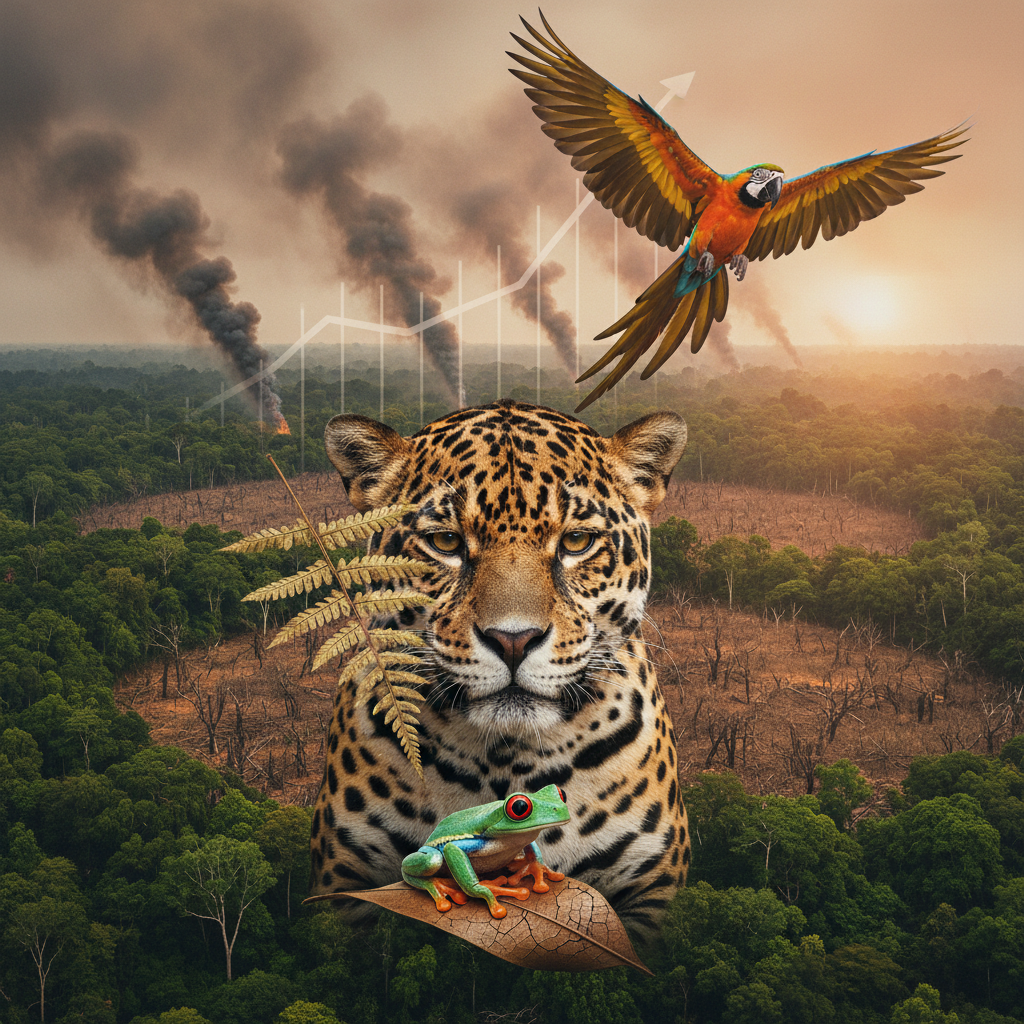
A recent groundbreaking study, published in the prestigious journal Nature, has sounded an urgent alarm regarding the future of the Amazon Rainforest. Scientists now warn that the planet's largest rainforest is rapidly approaching a critical “tipping point” that could be reached as early as the 2040s. This threshold signifies a point of no return, beyond which large sections of the Amazon could undergo an irreversible transformation, fundamentally altering its ecological character.
The research pinpoints two primary drivers accelerating this peril: persistent deforestation and the escalating impacts of global warming. The study suggests that if between 22% and 28% of the Amazon rainforest is destroyed, combined with rising temperatures, the ecosystem's ability to recover will be severely compromised. This scientific finding revises previous, more optimistic timelines, indicating a much quicker progression towards a potentially catastrophic ecological collapse.
Such a collapse would not merely involve fewer trees. It entails a systemic shift where the rainforest can no longer sustain itself, transitioning instead into a drier, less diverse savanna-like environment. This change would dramatically alter regional rainfall patterns, increase fire frequency, and lead to the mass extinction of countless species endemic to the Amazon, reshaping one of Earth’s most vital natural wonders.
Why It Matters
For GreenNest Living readers, this isn't just another environmental headline; it's a direct threat to global ecological stability and our collective future. The Amazon Rainforest plays an indispensable role in regulating Earth's climate by absorbing vast amounts of carbon dioxide and influencing global weather patterns. Its degradation means less carbon sequestration, accelerating climate change worldwide, and potentially leading to more extreme weather events far beyond South America.
Beyond climate, the Amazon is a powerhouse of biodiversity, home to an estimated 10% of the world's known species. Many of these are unique and provide essential ecosystem services, from pollination to water purification, and hold immense untapped potential for medicine and scientific discovery. Losing the Amazon's intricate web of life would be an irreplaceable blow, diminishing the planet's natural heritage forever and undermining the resilience of global ecosystems.
Moreover, the Amazon's fate is deeply intertwined with the livelihoods and cultures of Indigenous communities who have protected and lived sustainably within its boundaries for millennia. A tipping point would displace these communities, erase invaluable traditional knowledge, and exacerbate social injustices. This study compels us to recognize that the health of the Amazon is inextricably linked to the well-being of humanity, underscoring the urgent need for decisive action to protect this irreplaceable natural wonder.
What You Can Do
- Support Sustainable Products: Choose products certified deforestation-free, especially those containing palm oil, soy, beef, or timber, which are major drivers of Amazon deforestation.
- Reduce Your Carbon Footprint: Advocate for renewable energy and sustainable transportation, as global warming is a key factor pushing the Amazon to its brink.
- Educate and Advocate: Share this crucial information with your networks. Write to your political representatives, urging them to support policies that protect the Amazon and combat climate change.
- Donate to Reputable Conservation Groups: Organizations working on the ground in the Amazon need financial support for forest protection, Indigenous land rights, and reforestation efforts.
- Choose Eco-conscious Travel: If you travel, select tour operators committed to sustainable tourism and community-based initiatives in rainforest regions.
- Demand Corporate Accountability: Support brands that demonstrate genuine commitment to ethical sourcing and environmental stewardship, and hold others accountable.
Ciro's Take
As an environmental advocate, seeing the Amazon's tipping point projected so close, possibly within my lifetime, is a profoundly unsettling reality check. This isn't just about preserving a beautiful forest; it's about safeguarding the very mechanisms that keep our planet habitable. The scientific clarity of this study demands an immediate, collective re-evaluation of our priorities. It feels like a final call to action, urging us to move beyond rhetoric and embrace radical shifts in consumption, policy, and global cooperation. We owe it to future generations, and to the countless species that depend on this unparalleled ecosystem, to act with unprecedented urgency and commitment.
FAQs
Q: What does “tipping point” mean for the Amazon?
A: A tipping point refers to a critical threshold beyond which a system undergoes irreversible changes. For the Amazon, it means a large-scale, irreversible transformation from lush rainforest to a drier, savanna-like ecosystem, unable to revert to its original state.
Q: How does deforestation contribute to the tipping point?
A: Deforestation reduces the forest's ability to generate its own rainfall through evapotranspiration. Less forest cover means less moisture recycled into the atmosphere, leading to drier conditions, increased fire risk, and weakened resilience against climate change.
Q: What are the global impacts if the Amazon reaches this tipping point?
A: Globally, reaching the tipping point would significantly accelerate climate change due to the release of stored carbon and reduced carbon absorption. It would also disrupt global weather patterns, potentially leading to more extreme weather events worldwide, and cause an unparalleled loss of biodiversity.
Sources
This article is based on reporting by Mongabay.
Original source
Mongabay
Author, Digital Entrepreneur & AI Creator
More from Wildlife & Nature News
- The Silent Drain: Sand Scarcity Threatens Global Ecosystems — May 13, 2026
- Celestial Glimpse: Earth's Glow, Our Lost Night Skies — May 11, 2026
- Google's UK Datacentre Emissions Understated by Factor of Five — May 10, 2026
- Cosmic Beacon: Earth's Glow Inspires Global Stewardship — May 9, 2026