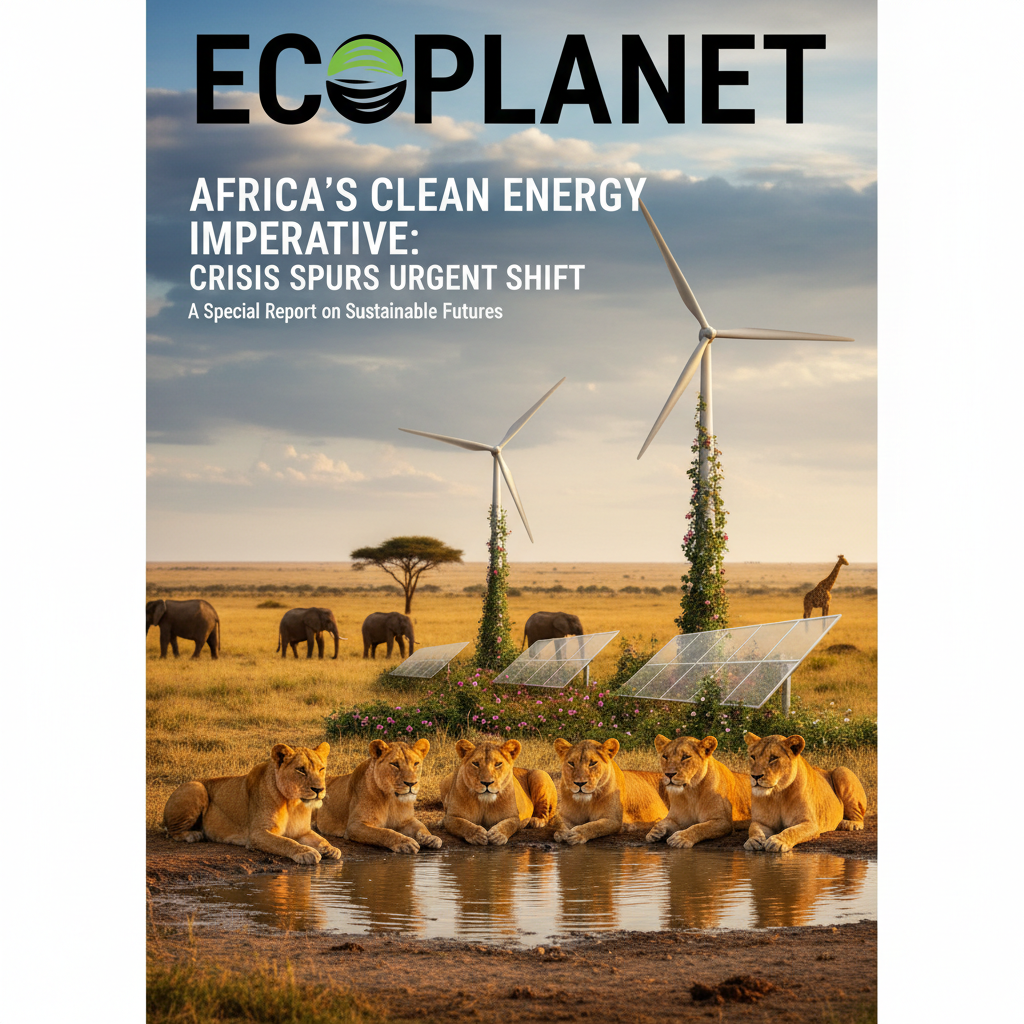
Africa's Clean Energy Imperative: Crisis Spurs Urgent Shift
Key Takeaways
- Middle East conflict threatens sub-Saharan Africa with rising fuel costs, food prices, and inflation.
- Roughly one-fifth of global oil and LNG flows through Middle East routes, making the region highly sensitive to disruption.
- African nations, largely reliant on imported fossil fuels, face severe economic instability during price surges.
- The crisis is accelerating the case for clean energy investment in Africa, offering energy security and economic stability.
- Consultancy Zero Carbon Analytics issued the warning, emphasizing the critical link between geopolitical stability and energy choices.
The escalating conflict in the Middle East isn't just a humanitarian crisis; it's sending immediate and profound economic shockwaves that are reverberating across sub-Saharan Africa. This global instability starkly illuminates the precariousness of fossil fuel dependence, transforming a distant geopolitical struggle into a pressing call for sustainable energy independence for an entire continent.
TL;DR: Key Facts
- Middle East conflict threatens sub-Saharan Africa with rising fuel costs, food prices, and inflation.
- Roughly one-fifth of global oil and LNG flows through Middle East routes, making the region highly sensitive to disruption.
- African nations, largely reliant on imported fossil fuels, face severe economic instability during price surges.
- The crisis is accelerating the case for clean energy investment in Africa, offering energy security and economic stability.
- Consultancy Zero Carbon Analytics issued the warning, emphasizing the critical link between geopolitical stability and energy choices.
What Happened
A recent analysis by energy consultancy Zero Carbon Analytics reveals the severe economic implications for sub-Saharan Africa stemming from the deepening Middle East conflict. With approximately one-fifth of the world’s oil and liquefied natural gas (LNG) flowing through routes susceptible to disruption in the Middle East, any instability there directly translates to volatile global energy markets. This volatility is not merely an abstract economic concept for African nations; it manifests as tangible hardships.
The report highlights that a prolonged or intensified conflict could lead to significant spikes in fuel costs across the region. This, in turn, drives up operational expenses for transportation, agriculture, and manufacturing, ultimately leading to higher food prices and a general surge in inflation. For economies already grappling with existing challenges, such external shocks exacerbate poverty and hinder development, underscoring a critical vulnerability rooted in the reliance on imported fossil fuels.
Why It Matters
This geopolitical crisis is far more than an economic warning; it serves as a powerful environmental clarion call, resonating deeply with the values of GreenNest Living readers. It vividly underscores the profound interconnectedness of global events, energy policy, and the fragile health of our planet. For sub-Saharan Africa, a region teeming with unparalleled biodiversity and vulnerable ecosystems, the reliance on imported fossil fuels is not just an economic burden but a significant, escalating environmental risk. The continued combustion of these fuels contributes directly and substantially to greenhouse gas emissions, accelerating climate change—a global phenomenon that disproportionately impacts the most vulnerable communities and natural habitats across the continent. From the expansion of deserts threatening iconic wildlife such as elephants and rhinos, to unpredictable weather patterns devastating agricultural lands and water sources, the environmental costs are immense, immediate, and often irreversible.
Furthermore, the extraction, transportation, and processing of fossil fuels frequently lead to localized environmental degradation. Oil spills, gas flares, and mining operations pollute vital water sources, destroy forests, and disrupt delicate ecological balances. These activities displace indigenous communities and wildlife, contributing to habitat loss, which is a primary driver of species extinction. The current instability in the Middle East, by disrupting global energy markets, highlights the inherent fragility of this system, pushing nations to secure energy supplies at potentially greater environmental cost, or, more positively, to accelerate a pivot towards indigenous, sustainable alternatives.
The imperative for Africa to transition rapidly to clean energy is thus not merely about achieving economic stability and energy independence; it is an absolutely vital step for global biodiversity conservation and building climate resilience. Investing in abundant indigenous resources like solar, wind, and hydropower can dramatically reduce air pollution, protect precious natural resources from destructive extractive industries, and create robust, resilient energy systems that are far less susceptible to the unpredictable whims of geopolitical conflicts. This strategic shift not only safeguards Africa’s unique and irreplaceable wildlife and natural landscapes but also empowers local communities with decentralized, sustainable energy access, fostering a greener, more stable, and equitable future for all. The crisis serves as an undeniable and urgent reminder that true environmental stewardship and sustainable living demand a fundamental, global shift away from our fossil fuel dependency, with a focus on supporting the nations most exposed to its devastating consequences.
What You Can Do
- Advocate for Green Energy Policies: Contact your elected officials to support policies that promote renewable energy development and investment in emerging economies, particularly in Africa.
- Support Sustainable Development Initiatives: Research and contribute to organizations working on clean energy access and sustainable development projects in African countries.
- Reduce Your Own Fossil Fuel Footprint: Minimize personal energy consumption by choosing public transport, carpooling, insulating your home, and opting for energy-efficient appliances.
- Educate and Share: Share information about the link between geopolitical stability, fossil fuel dependence, and the urgency of clean energy with your network.
- Invest Ethically: Consider investing in ethical funds that support renewable energy companies and divest from fossil fuel industries.
- Demand Transparency from Corporations: Support businesses that commit to transparent, sustainable supply chains and renewable energy sourcing for their operations, especially those with global footprints.
FAQs
Q: How does geopolitical conflict in the Middle East specifically impact Africa's energy?
A: The Middle East is a major global oil and gas hub. Disruptions there can drastically reduce supply or increase the cost of shipping, leading to higher international fuel prices, which African nations heavily reliant on imported fossil fuels must then pay.
Q: Is Africa currently investing in clean energy?
A: Yes, many African nations are increasingly exploring and investing in renewable energy sources like solar, wind, and hydropower. However, the scale and speed of this transition need to accelerate significantly to achieve energy independence and meet climate goals.
Q: What are the main clean energy opportunities for Africa?
A: Africa has vast untapped potential in solar energy due to abundant sunlight, significant wind resources in coastal and arid regions, and hydropower potential from its major river systems. Geothermal energy is also viable in parts of East Africa.
Sources
This article is based on reporting by Mongabay.
Original source
Mongabay
Author, Digital Entrepreneur & AI Creator
More from Wildlife & Nature News
- The Silent Drain: Sand Scarcity Threatens Global Ecosystems — May 13, 2026
- Celestial Glimpse: Earth's Glow, Our Lost Night Skies — May 11, 2026
- Google's UK Datacentre Emissions Understated by Factor of Five — May 10, 2026
- Cosmic Beacon: Earth's Glow Inspires Global Stewardship — May 9, 2026
- Amazon Tipping Point: Deforestation, Warming Threaten Rainforest by 2040s — May 8, 2026