Agroforestry: Greener Farms, Stronger Ecosystems, Brighter Future
Key Takeaways
- Agroforestry intentionally integrates trees, crops, and livestock for mutual benefits.
- It significantly enhances environmental health through carbon sequestration, improved soil, and increased biodiversity.
- This practice provides farmers with diversified income and greater resilience against economic and climatic shocks.
- Food Tank's recent explanation highlights agroforestry as a crucial component of sustainable and regenerative agriculture.
- Adopting agroforestry principles is vital for building a more sustainable and secure global food future.
In an era demanding innovative solutions for climate change and food security, a recently highlighted agricultural practice is gaining crucial attention. Food Tank, a leading voice in sustainable food, has brought agroforestry back into the spotlight, reminding us how integrating trees with crops and livestock can cultivate not just food, but also resilient ecosystems and thriving farming communities. This isn't just about planting more trees; it's about fundamentally rethinking how we grow our food for a healthier planet and more stable livelihoods.
TL;DR: Key Facts
- Agroforestry is a land management system that intentionally integrates trees, crops, and/or livestock on the same land.
- It offers multifaceted benefits including enhanced biodiversity, improved soil health, and increased carbon sequestration.
- This practice can diversify farmer income streams and make agricultural systems more resilient to climate impacts.
- Food Tank's explanation underscores agroforestry's role as a vital component of sustainable and regenerative agriculture.
What Happened
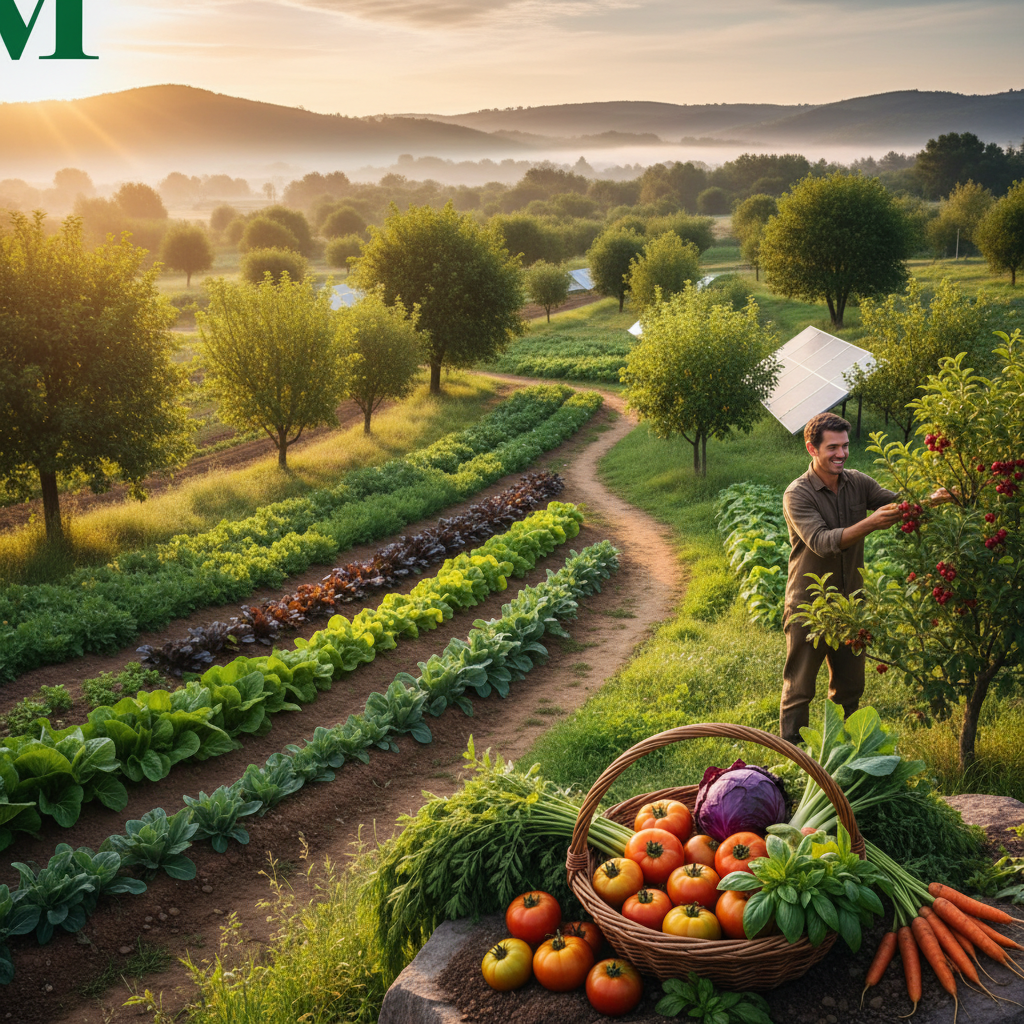
In a recent feature, Food Tank, an organization dedicated to building a more sustainable food system, provided an essential explanation of agroforestry. They clarified that agroforestry is far more than simply planting trees on a farm; it's a dynamic, ecological management system that purposefully blends woody perennials (trees, shrubs) with agricultural crops and/or livestock on the same piece of land. This integration is not haphazard but is designed to create interconnected systems where each component mutually benefits the others.
The core concept, as articulated by Food Tank, revolves around the intentional design and management of these integrated systems. Farmers might plant rows of trees alongside fields of crops (alley cropping), graze livestock among trees (silvopasture), or grow food crops under a canopy of trees (forest farming). The objective is always to optimize the interactions between these elements for both environmental and economic gains. This approach stands in contrast to conventional monoculture, which often separates these components, leading to less resilient and often more resource-intensive agricultural practices.
Why It Matters
For GreenNest Living readers, Food Tank's clear explanation of agroforestry is profoundly important because it presents a potent, nature-based solution to some of the most pressing environmental and food system challenges we face today. In a world grappling with climate change, biodiversity loss, and soil degradation, agroforestry offers a framework for agriculture that actively reverses these trends. Trees act as carbon sinks, sequestering atmospheric CO2, while their root systems prevent soil erosion, enhance water infiltration, and build organic matter, thereby improving soil fertility and resilience. This directly contributes to climate mitigation and adaptation, critical for a sustainable future.
Beyond environmental benefits, agroforestry bolsters the economic viability and resilience of farming communities, a cornerstone of any truly sustainable food system. By diversifying farm outputs—producing timber, nuts, fruits, and fodder alongside traditional crops and livestock—farmers gain multiple income streams, reducing their reliance on single commodities and buffering against market fluctuations or crop failures due to extreme weather. This economic stability makes small and medium-sized farms more robust, fostering local food economies and empowering farmers to adopt more ecological practices without fear of financial ruin. For consumers, supporting products from agroforestry systems means voting with your wallet for a farming model that prioritizes planetary health and farmer well-being.
What You Can Do
- Educate Yourself Further: Explore resources from organizations like the USDA National Agroforestry Center, Food Tank, and the Savanna Institute to deepen your understanding of specific agroforestry practices.
- Seek Out Agroforestry Products: Look for food, wood, or animal products that specify they come from agroforestry or regenerative farming systems at farmers' markets or specialty stores.
- Support Policy Advocacy: Contact your local, state, and national representatives to express support for policies and funding that promote agroforestry research, education, and implementation for farmers.
- Consider Home Scale Applications: If you have a garden or property, research how you can incorporate elements of agroforestry, such as planting fruit trees with understory herbs or creating edible forest gardens.
- Engage with Farmers: Talk to local farmers about their practices. Encourage them to explore agroforestry by sharing resources, or support those already adopting these sustainable methods.
Ciro's Take
As an environmental advocate, agroforestry truly excites me as a tangible pathway to a more harmonious relationship between humanity and nature. It’s not just an agricultural technique; it’s a philosophy that recognizes the interconnectedness of our ecosystems and our food. Food Tank's explanation serves as a vital reminder that solutions to complex problems like climate change and food insecurity often lie in observing and mimicking natural systems. Embracing agroforestry means investing in a future where our farms are vibrant ecosystems, our food is abundant and resilient, and our planet can heal. This isn't just about growing food smarter; it's about growing our future, together.
FAQs
Q: How does agroforestry combat climate change?
A: Trees in agroforestry systems sequester significant amounts of carbon dioxide from the atmosphere, helping to mitigate climate change. They also improve soil health, allowing soils to store more carbon.
Q: What are the main benefits of agroforestry for farmers?
A: Farmers benefit from diversified income streams (e.g., timber, fruits, crops, livestock), increased resilience to climate extremes, improved soil fertility, reduced need for external inputs, and enhanced biodiversity on their land.
Q: Is agroforestry a new concept?
A: While the term 'agroforestry' is relatively modern, the practice itself is ancient. Indigenous communities and traditional farming cultures worldwide have integrated trees, crops, and animals for centuries, understanding their symbiotic relationship long before scientific classification.
Sources
This article is based on reporting by Civil Eats, referencing a feature from Food Tank.
Original source
Civil Eats
Author, Digital Entrepreneur & AI Creator
More from Food & Environment
- Ocean's Untapped Riches: Iceland Pioneers Zero-Waste Seafood — June 3, 2026
- Poultry Farmers Left Vulnerable: USDA Delays Fair Pay Rule — June 2, 2026
- Trump Era: Local Food Systems & Small Farms Face Headwinds — June 1, 2026
- Clean Plate Movement: States Ban Dyes, World Shifts from Processed Foods — May 31, 2026