AHS Unveils Definitive Guide: Redefining Ecological Gardening
Key Takeaways
- The American Horticultural Society (AHS) has released a new 'Essential Guide to Ecological Gardening', marking a significant development in sustainable horticulture.
- Ecological gardening goes beyond organic, focusing on the garden as a holistic ecosystem that supports biodiversity and minimizes environmental impact.
- Key principles include planting native species, building healthy soil through composting, conserving water, and creating habitats for beneficial wildlife.
- The guide provides a foundational resource for both new and experienced gardeners to cultivate resilient and environmentally beneficial outdoor spaces.
- Embracing ecological gardening transforms your personal green space into a vital contributor to local and global ecological health, fostering a deeper connection to nature.
The Green Revolution in Your Own Backyard: Why AHS's New Guide Matters
Here at GreenNest Living, we're always on the lookout for developments that empower our readers to cultivate more sustainable, thriving environments right at home. That's why we were particularly excited by the news breaking from Gardenista: the American Horticultural Society (AHS) has just released its latest seminal work, the Essential Guide to Ecological Gardening. This isn't just another gardening book; it's being heralded as a "broad yet in-depth manual," and for good reason. In an era where our connection to nature feels more vital than ever, this guide represents a significant milestone in the journey towards truly sustainable living, offering a roadmap for transforming our gardens into vibrant ecological havens.
For nearly a century, the AHS has been a beacon of horticultural wisdom, publishing countless resources on everything from propagation to seed starting. But their latest offering on ecological gardening isn't merely an incremental update; it's a foundational text for a movement that is rapidly gaining momentum. It signals a collective understanding that our gardens are not isolated aesthetic projects but crucial components of a larger, interconnected ecosystem. For GreenNest Living readers, this guide is poised to become an indispensable companion, moving us beyond simple organic practices to a truly regenerative approach.
Beyond Organic: Embracing True Ecological Principles
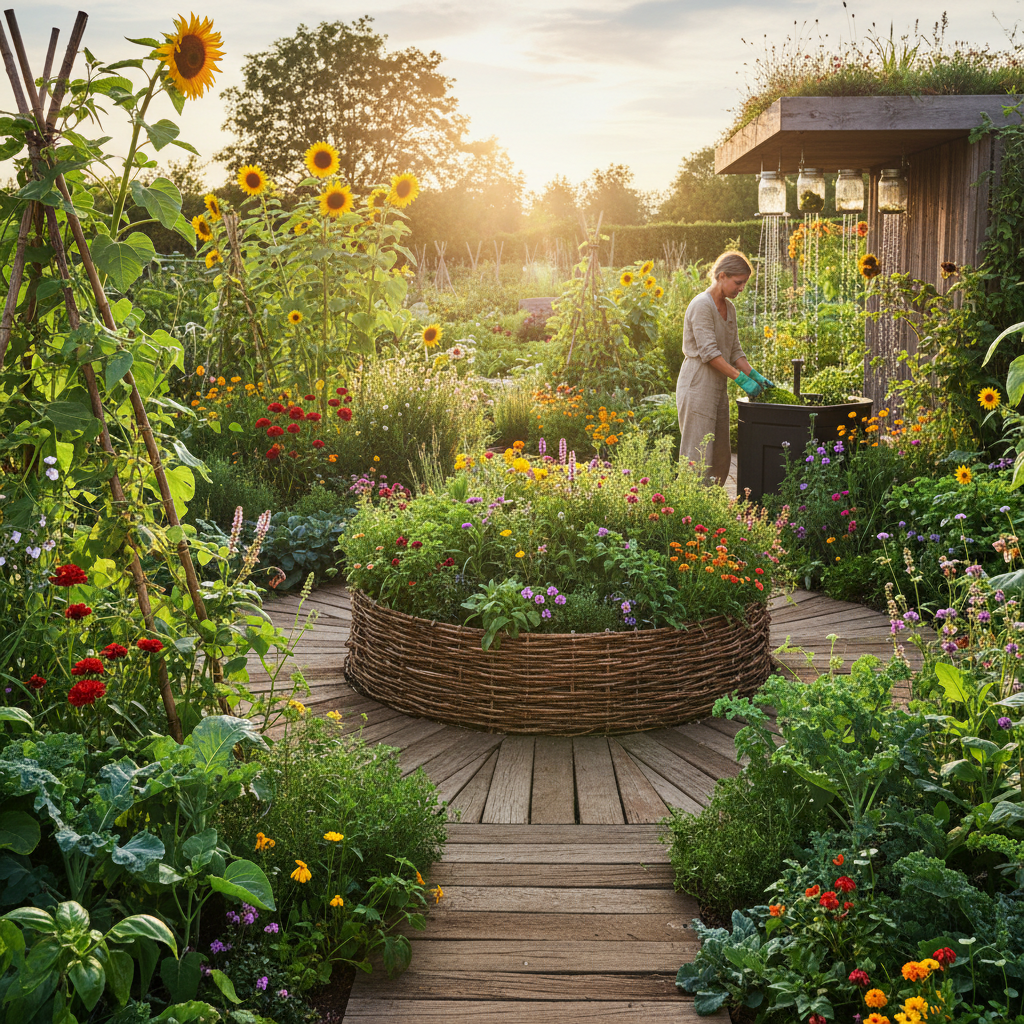
The term "ecological gardening" might sound complex, but at its heart, it's about working *with* nature, not against it. It's a philosophy that understands your garden as a miniature ecosystem, a living tapestry interwoven with soil, plants, insects, birds, and even microorganisms. While organic gardening rightly eschews synthetic pesticides and fertilizers, ecological gardening takes a more holistic view, focusing on the health of the entire system.
The AHS guide, by its very description, promises to delve deep into principles that GreenNest Living has long championed. This includes understanding your local climate and soil, selecting appropriate plant species (especially natives!), fostering biodiversity, conserving water, and creating habitats for beneficial wildlife. It’s about building resilience, minimizing resource inputs, and ensuring that your garden contributes positively to the broader environment. Imagine a garden teeming with life, where buzzing bees and flitting butterflies find sustenance, where healthy soil sequesters carbon, and where the rhythmic dance of nature unfolds daily. This is the promise of ecological gardening, and the AHS guide appears to be the definitive instruction manual for achieving it.
Actionable Steps for Your Sustainable Garden Journey
So, what does this "definitive guide" mean for your hands-on gardening practice? While we eagerly await to dive into its pages ourselves, the very premise of the Essential Guide to Ecological Gardening empowers us to reflect on and refine our own sustainable practices. Here are some actionable insights inspired by the core tenets of ecological gardening:
- Embrace Native Plants: This is perhaps the most fundamental step. Native plants are adapted to your local climate, soil, and wildlife. They require less water, fertilizer, and pest control, and they provide essential food and shelter for local pollinators and birds. Start small by replacing a few non-native ornamentals with regional alternatives.
- Nourish Your Soil: Healthy soil is the bedrock of an ecological garden. Focus on building soil organic matter through composting, mulching, and minimizing disturbance (e.g., no-till gardening). This improves water retention, nutrient cycling, and supports a thriving soil microbiome.
- Conserve Water Thoughtfully: Implement water-wise irrigation techniques like drip systems, rain barrels, and smart watering practices. Group plants with similar water needs together (hydrozoning) and select drought-tolerant species suited to your region.
- Foster Biodiversity: Think beyond just pretty flowers. Incorporate a variety of plant types – trees, shrubs, perennials, grasses – to offer diverse food sources and habitats. Consider adding a small water feature, brush pile, or rock cairn to attract beneficial insects and small creatures.
- Reduce & Reuse: Minimize external inputs. Use compost from your kitchen and yard waste. Repurpose materials for garden structures. Choose durable, long-lasting tools. Reduce reliance on plastic pots and chemical products.
- Observe and Adapt: An ecological garden is a living system. Spend time observing your garden – its patterns, its inhabitants, its challenges. Learn from what you see and adapt your practices accordingly. This continuous learning is key to success.
By adopting these practices, you're not just growing plants; you're cultivating a resilient, vibrant ecosystem that benefits your home, your community, and the planet.
Your Garden, A Sanctuary for All Life
The release of the AHS Essential Guide to Ecological Gardening couldn't come at a more crucial time. As environmental challenges escalate, every patch of green space, no matter how small, has the potential to become a part of the solution. Your garden is not merely an outdoor extension of your home; it's a vital habitat, a carbon sink, a water filter, and a source of immeasurable joy and connection to the natural world.
This guide promises to arm both seasoned gardeners and enthusiastic beginners with the knowledge and confidence to make truly impactful choices. It’s about understanding the intricate web of life that sustains us all and actively participating in its preservation. By embracing ecological gardening, we step into a role as stewards of the land, creating beauty that gives back to nature in countless ways. As GreenNest Living readers, we have the power to transform our yards into thriving examples of sustainable living, one plant, one bee, one healthy patch of soil at a time.
Original source
GreenNest Living Editorial
Author, Digital Entrepreneur & AI Creator
More from Garden & Plants
- LA Oasis: Modern Spanish Colonial Design for Sustainable Living — May 13, 2026
- Flowering Shrubs: The Underrated Backbone of Your Eco-Garden — May 11, 2026
- Native Wisteria: Blooming Beauty, Boosting Biodiversity — May 10, 2026
- Embracing the Subtle Beauty of Shade Gardens — May 9, 2026
- Ground Covers: The Low-Maintenance Path to a Greener Yard — May 8, 2026