AHS Unveils Definitive Guide to Ecological Gardening
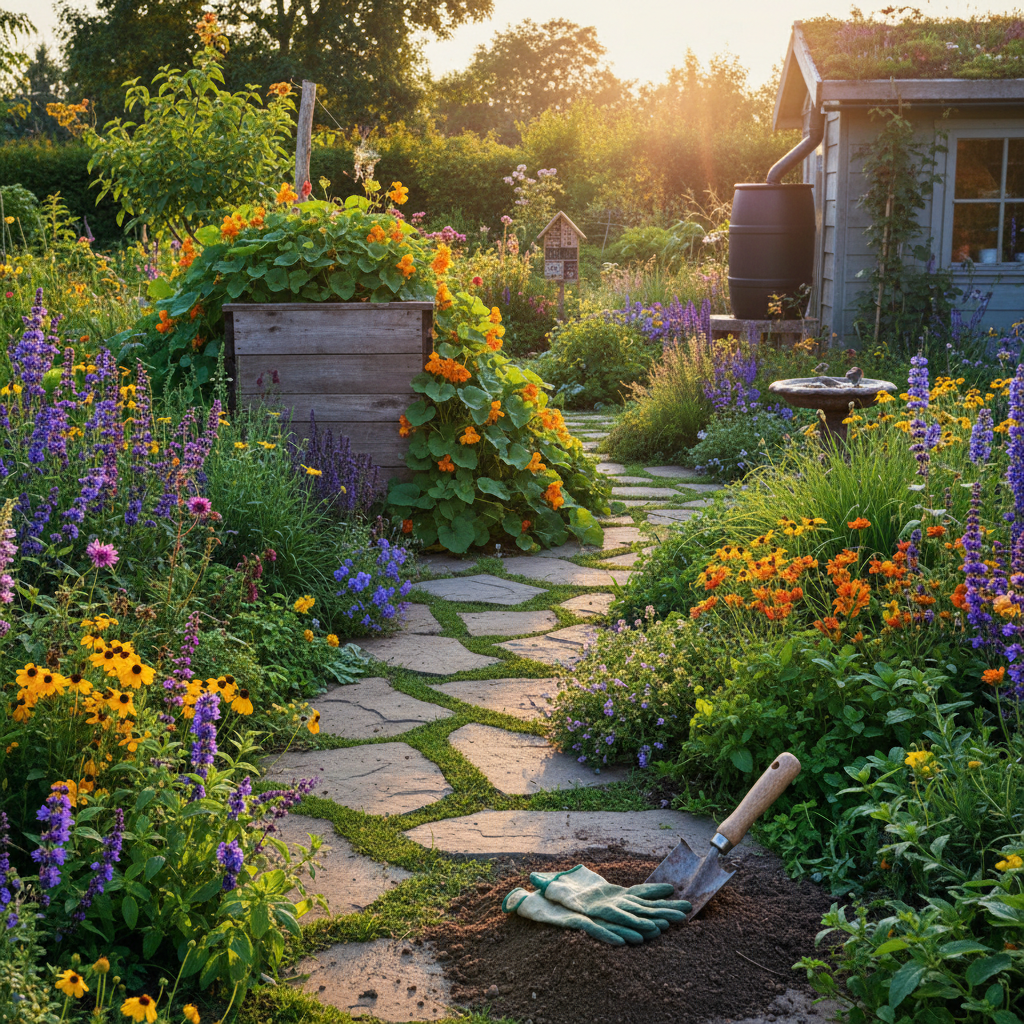
Key Takeaways
- The American Horticultural Society (AHS) has released its 'Essential Guide to Ecological Gardening,' a comprehensive resource for sustainable practices.
- Ecological gardening focuses on fostering self-sustaining ecosystems, working with nature to build healthy soil, conserve water, and support biodiversity.
- The guide offers broad yet in-depth insights for both novice and experienced gardeners, covering crucial topics like native plants, soil health, and pest management.
- Implementing ecological principles in your garden contributes significantly to environmental health, wildlife habitat, and resource conservation.
- Readers are encouraged to start with small, actionable steps like planting natives, composting, and reducing chemical use to begin their ecological gardening journey.
Cultivating Tomorrow: The AHS Essential Guide to Ecological Gardening
Here at GreenNest Living, we’re always on the lookout for resources that empower our community to live more sustainably and connect deeply with the natural world. So, when we caught wind of exciting news from our friends at Gardenista – specifically, their 'Required Reading' feature highlighting a monumental new release – our collective green thumbs twitched with anticipation. The news? The American Horticultural Society (AHS) has just launched its 'Essential Guide to Ecological Gardening,' a publication poised to become the definitive resource for anyone serious about cultivating a truly sustainable outdoor space.
For nearly a century, since its founding in 1922, the AHS has been a beacon of horticultural wisdom, publishing countless books and deep-dive guides on everything from propagation to seed starting. Their latest offering, however, feels particularly timely and essential. In an era where environmental stewardship is not just a choice but a necessity, this 'broad yet in-depth manual' on ecological gardening couldn't arrive at a more crucial moment. It’s more than just a gardening book; it’s a blueprint for a greener future, starting right in our own backyards.
What Exactly is Ecological Gardening? And Why Does it Matter Now More Than Ever?
Before we delve into what makes the AHS guide so vital, let’s clarify what ecological gardening truly means. It’s a philosophy and practice that goes beyond simply growing plants; it's about fostering a thriving, self-sustaining ecosystem within your garden. This means working *with* nature, not against it. It involves understanding and respecting the intricate web of life that exists in your outdoor space – from the microscopic organisms in the soil to the pollinators flitting between blossoms, and the birds nesting in your trees.
Unlike conventional gardening, which often relies on synthetic inputs, ecological gardening prioritizes natural processes. It’s about building healthy soil, conserving water, choosing native plants, attracting beneficial wildlife, and minimizing waste. In short, it’s about creating a garden that not only looks beautiful but also actively contributes to biodiversity and environmental health. And in a world grappling with climate change, habitat loss, and diminishing natural resources, every ecological garden, no matter its size, becomes a vital piece of the global solution.
A Deep Dive into the AHS Essential Guide: Your Comprehensive Resource
The 'Gardenista' report describes the AHS's new 'Essential Guide to Ecological Gardening' as a 'broad yet in-depth manual,' and this balance is precisely what makes it so valuable. For seasoned eco-gardeners, it offers advanced insights and validation of their practices. For beginners, it provides a welcoming, comprehensive entry point into a world that can sometimes seem overwhelming. Imagine having a single, authoritative resource that distills decades of horticultural expertise through an ecological lens.
We anticipate the guide covers fundamental principles such as:
- Soil Health First: Understanding soil composition, the importance of organic matter, composting, and no-dig methods to nurture the living foundation of your garden.
- Native Plant Power: Detailed guidance on selecting and cultivating native species that are naturally adapted to your local climate and soil, requiring less water and intervention, and crucially, providing essential food and habitat for local wildlife.
- Water Conservation Strategies: From smart irrigation techniques like drip systems to rain harvesting and creating rain gardens that manage stormwater runoff, practical advice for minimizing water usage.
- Integrated Pest Management (IPM): Moving away from chemical pesticides towards natural solutions, encouraging beneficial insects, and understanding pest cycles to maintain balance.
- Biodiversity Enhancement: Strategies for attracting pollinators, birds, and other beneficial creatures, turning your garden into a vibrant, mini-ecosystem.
This guide isn't just about theory; it's about actionable knowledge, allowing you to transform abstract concepts into tangible results in your own GreenNest.
Practical Steps for Your GreenNest: Applying Ecological Principles Today
Inspired by the insights this guide promises, here are some actionable steps you can begin integrating into your garden practices right now, even before you get your hands on the book:
- Start Small with Natives: Choose just one area in your garden to replace a non-native plant with a local species. Observe how it thrives and attracts wildlife.
- Embrace Composting: If you don't already, start a compost pile or use a composter. Your kitchen scraps and yard waste will become nutrient-rich food for your soil, reducing landfill waste.
- Observe and Learn: Spend time watching your garden. Which insects visit? Where does water collect? What plants struggle or thrive? This observation is key to understanding your unique garden ecosystem.
- Reduce or Eliminate Chemicals: Commit to moving away from synthetic fertilizers, herbicides, and pesticides. Look for organic alternatives or, even better, address the root cause of issues through ecological balance.
- Mind Your Water: Check for leaks, use mulch to retain soil moisture, and consider if your current watering schedule is truly efficient. Every drop counts.
Beyond the Basics: Cultivating a Thriving Ecosystem
The beauty of ecological gardening, and what makes the AHS's new guide so significant, is its holistic approach. It encourages us to see our gardens not as isolated plots but as interconnected habitats that contribute to the larger environment. By adopting these practices, we're not just making our gardens more beautiful or productive; we're actively participating in environmental repair, supporting local wildlife, conserving resources, and creating a healthier planet for all.
As GreenNest Living continues to champion sustainable living, we eagerly anticipate the profound impact the 'American Horticultural Society’s New Definitive Guide to Ecological Gardening' will have. It's an indispensable tool for anyone looking to deepen their connection with nature and make a real, positive difference, one garden at a time. Pick up your copy, get inspired, and let’s grow a better world together.
Original source
GreenNest Living Editorial
Author, Digital Entrepreneur & AI Creator
More from Garden & Plants
- LA Oasis: Modern Spanish Colonial Design for Sustainable Living — May 13, 2026
- Flowering Shrubs: The Underrated Backbone of Your Eco-Garden — May 11, 2026
- Native Wisteria: Blooming Beauty, Boosting Biodiversity — May 10, 2026
- Embracing the Subtle Beauty of Shade Gardens — May 9, 2026
- Ground Covers: The Low-Maintenance Path to a Greener Yard — May 8, 2026