AHS's New Guide: Charting the Course for Ecological Gardening
Key Takeaways
- The American Horticultural Society's new 'Essential Guide to Ecological Gardening' is a vital resource for sustainable living.
- Ecological gardening focuses on working with nature to foster biodiversity, conserve resources, and build resilient landscapes.
- Key principles include prioritizing soil health, integrating native plants, conserving water, and avoiding synthetic chemicals.
- Readers can take immediate action by composting, planting natives, rethinking lawns, and inviting local wildlife.
- This guide signifies a broader movement towards making home gardens active participants in environmental health and sustainability.
Cultivating a Greener Tomorrow: The Landmark AHS Guide to Ecological Gardening
Here at GreenNest Living, we’re always on the lookout for resources that empower our community to live more sustainably and connect deeply with the natural world. So, when we saw the latest 'Required Reading' feature on Gardenista, highlighting a truly significant new publication, our excitement was palpable. The American Horticultural Society (AHS), an organization synonymous with horticultural excellence since 1922, has just released their Essential Guide to Ecological Gardening. This isn't just another gardening book; it’s being hailed as a broad yet in-depth manual that promises to redefine how we approach our home landscapes.
In an era where every decision we make in our homes and gardens carries environmental weight, a definitive guide to ecological gardening couldn't be more timely. Gardenista notes the AHS's long history of publishing deep-dive guides on single issues, but this new manual is presented as a comprehensive approach to ecological gardening, making it an indispensable tool for anyone serious about fostering biodiversity, conserving resources, and creating a truly resilient garden.
Why Ecological Gardening is More Than a Trend
For decades, gardening was often viewed through the lens of aesthetics and production, sometimes at the expense of the environment. Think perfect, monoculture lawns demanding excessive water and chemicals, or exotic plants that require constant intervention to thrive outside their native habitats. But as environmental awareness has grown, so too has our understanding of the garden as a vital part of a larger ecosystem.
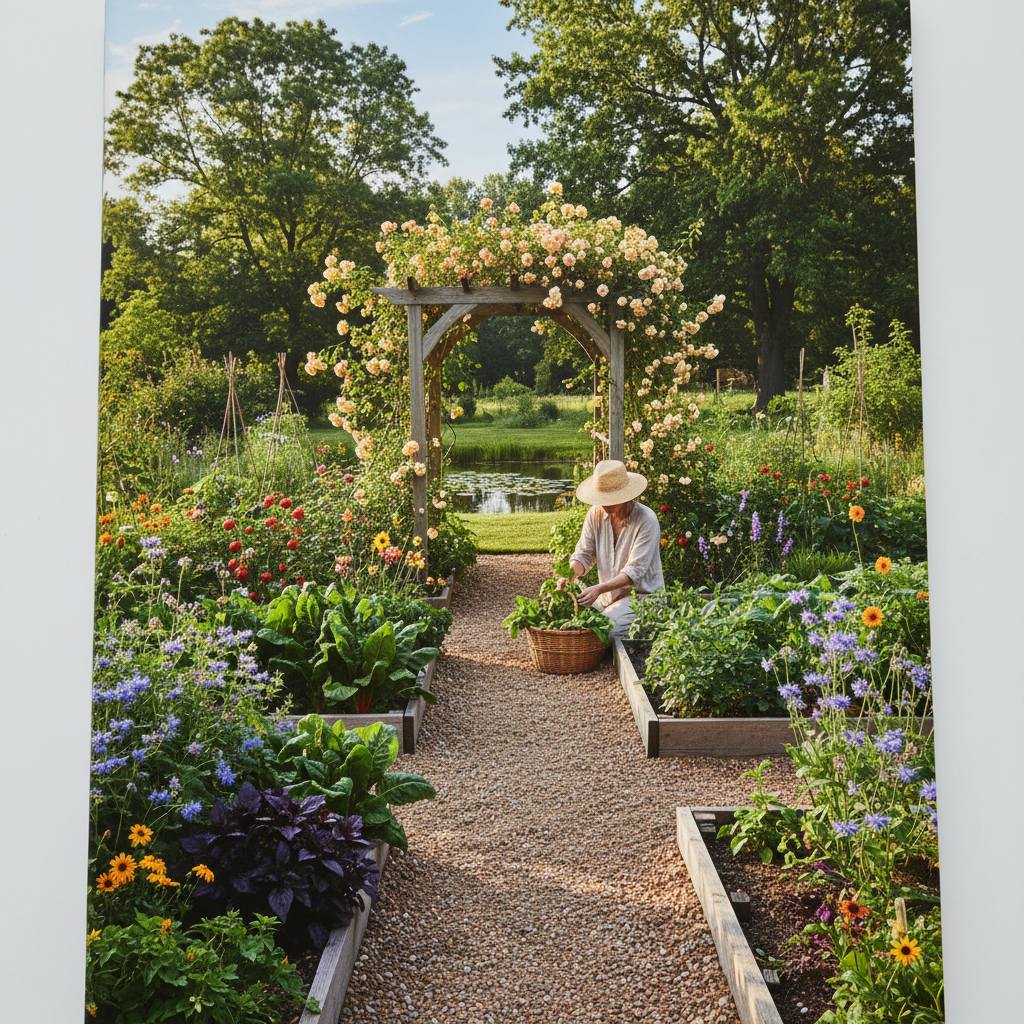
Ecological gardening, at its heart, is about working *with* nature, not against it. It's about recognizing that our backyards, patios, and even window boxes are micro-ecosystems that can contribute positively to local biodiversity, climate resilience, and planetary health. The AHS's new guide, by offering a definitive framework, helps solidify this approach, moving it from niche practice to mainstream imperative. It’s a call to action for every gardener to become a steward of their patch of earth, no matter how small.
Unpacking the Principles: What the Guide Likely Emphasizes
While we eagerly await our copy of the Essential Guide to Ecological Gardening to delve into its depths, based on the AHS's reputation and the growing consensus in environmental horticulture, we can anticipate that the guide will illuminate several core principles. These are not just abstract ideas, but practical foundations for transforming your garden into a thriving, sustainable haven:
- Soil Health as the Foundation: A truly ecological garden begins beneath the surface. Expect detailed guidance on building rich, living soil through composting, mulching, and minimizing disturbance. Healthy soil sequesters carbon, retains water, and provides nutrients naturally, reducing the need for synthetic fertilizers.
- Native Plant Integration: This is a cornerstone. The guide will undoubtedly stress the importance of choosing plants indigenous to your region. Native plants are adapted to local climate and soil conditions, require less water and maintenance, and, crucially, provide essential food and habitat for local wildlife, from pollinators to birds.
- Water Conservation: In an age of increasing drought and water scarcity, intelligent water management is critical. Look for insights into rainwater harvesting, efficient irrigation techniques like drip systems, and the strategic use of drought-tolerant and native plants to minimize supplemental watering.
- Fostering Biodiversity: Beyond just native plants, ecological gardening aims to create diverse habitats. This means incorporating a variety of plant types, providing shelter (like log piles or brush), and ensuring a continuous food source throughout the seasons for a wide range of beneficial insects and animals.
- Minimizing Chemical Inputs: A truly ecological garden avoids synthetic pesticides, herbicides, and fertilizers. The guide will likely offer organic pest management strategies, companion planting advice, and natural soil amendments to create a balanced system where nature largely handles pest control.
- Observation and Adaptability: Ecological gardening is an ongoing learning process. The guide will encourage gardeners to observe their landscapes, understand the interactions within them, and adapt their practices to best suit their specific environment.
Transforming Your GreenNest: Practical Steps You Can Take Now
Inspired by the AHS's groundbreaking work, here are some actionable steps you can start implementing today to align your garden with ecological principles:
- Start with Soil: Begin a compost pile! Even a small one can transform kitchen scraps and yard waste into nutrient-rich soil amendment. Consider 'no-dig' gardening to preserve soil structure and microbial life.
- Go Native: Research native plants that thrive in your specific growing zone. Many local nurseries now specialize in native varieties. Replace a portion of your lawn with a native plant bed or meadow.
- Rethink Your Lawn: Can you shrink your lawn? Replace thirsty grass with groundcovers, permeable pathways, or native perennial beds. If you keep a lawn, consider microclover or other eco-friendly alternatives.
- Embrace Water Wisdom: Install a rain barrel to collect water for your garden. Group plants with similar water needs together. Use mulch generously to retain soil moisture and suppress weeds.
- Invite Wildlife: Plant diverse flowering plants that offer nectar and pollen through the seasons. Include host plants for butterfly larvae. Provide a clean water source, like a bird bath.
- Say No to Synthetics: Opt for organic pest control methods. Introduce beneficial insects like ladybugs. Hand-pick pests when necessary. Remember, a few nibbled leaves are a sign of a healthy ecosystem, not a failure.
- Create Habitat Layers: Think vertically. Incorporate trees, shrubs, perennials, and groundcovers to provide different levels of shelter and food for various creatures.
The Path Forward: A Collective Endeavor
The release of the American Horticultural Society’s Essential Guide to Ecological Gardening is more than just an event; it's a significant milestone for the green movement. It signals a growing recognition that our gardens are not just decorative spaces, but crucial components of a sustainable future. For GreenNest Living readers, this guide serves as a powerful testament to the impact each of us can have, right in our own backyards.
By integrating these ecological principles, we're not only creating beautiful, resilient gardens but also fostering healthier environments for ourselves, our communities, and the planet. This guide, as spotlighted by Gardenista, offers the knowledge and inspiration to embark on, or deepen, your journey towards a truly regenerative garden. Let's dig in and cultivate a more vibrant, biodiverse world, one garden at a time.
Original source
GreenNest Living Editorial
Author, Digital Entrepreneur & AI Creator
More from Garden & Plants
- LA Oasis: Modern Spanish Colonial Design for Sustainable Living — May 13, 2026
- Flowering Shrubs: The Underrated Backbone of Your Eco-Garden — May 11, 2026
- Native Wisteria: Blooming Beauty, Boosting Biodiversity — May 10, 2026
- Embracing the Subtle Beauty of Shade Gardens — May 9, 2026
- Ground Covers: The Low-Maintenance Path to a Greener Yard — May 8, 2026