Amazon Gold Rush Halted: Interpol Leads Historic Operation
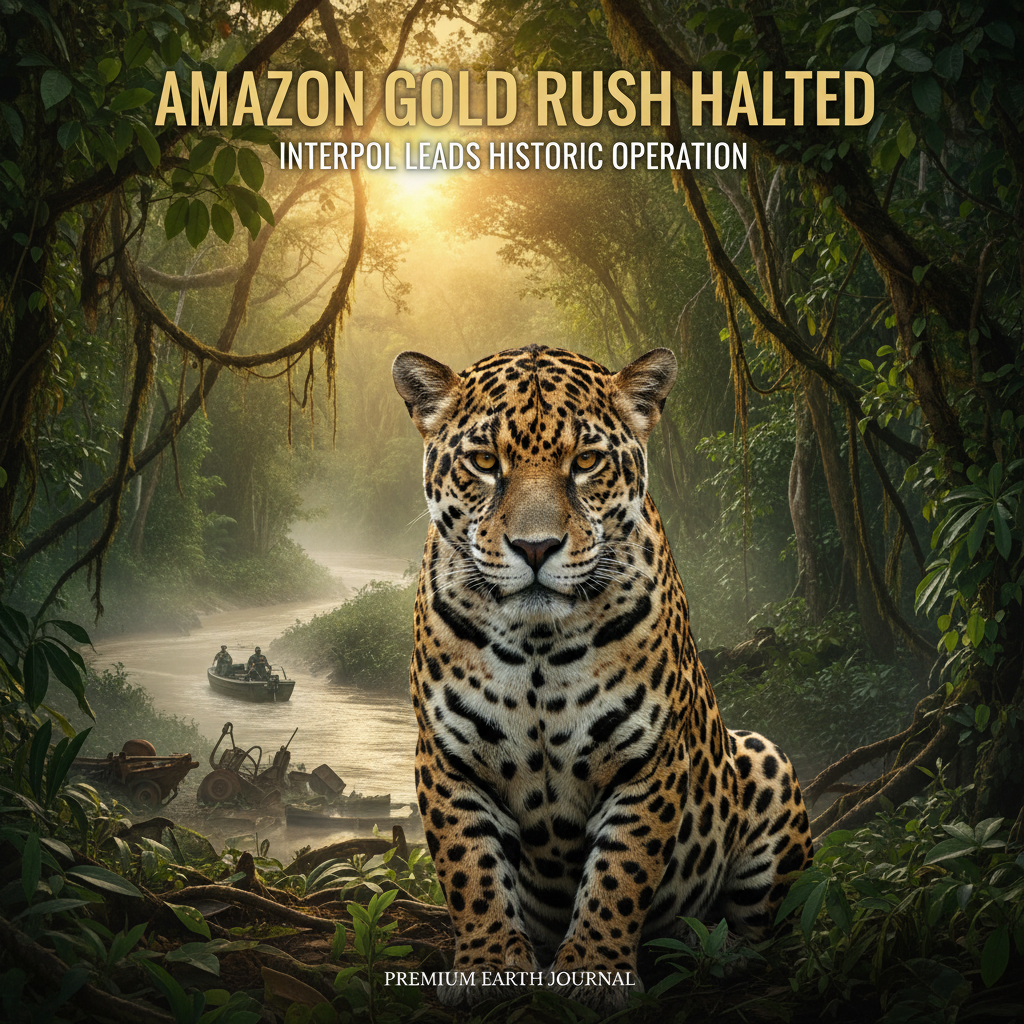
Key Takeaways
- Historic cross-border operation against illegal gold mining.
- Nearly 200 arrests made in the Amazon region.
- Involved Brazil, French Guiana, Guyana, Suriname, and Interpol.
- Targets a major driver of deforestation and mercury pollution.
- Sets a crucial precedent for international environmental enforcement.
OPENING PARAGRAPH
The Amazon, the world's largest rainforest, faces relentless assault from illegal activities, with gold mining standing out as a particularly destructive force. In a monumental development signaling a new era of environmental enforcement, an unprecedented international crackdown on illegal gold mining in the Amazon has resulted in nearly 200 arrests. This significant action offers a crucial beacon of hope for protecting this vital ecosystem and its invaluable biodiversity right now.
TL;DR: Key Facts
- Nearly 200 arrests were made in a historic, Interpol-backed operation.
- The target was illegal gold mining across the Amazon region.
- It marks the first-ever joint cross-border enforcement effort of its kind.
- Police and prosecutors from Brazil, French Guiana, Guyana, and Suriname participated.
- The operation directly addresses a major driver of deforestation and mercury pollution.
What Happened
In a groundbreaking display of international cooperation, an unprecedented cross-border operation supported by Interpol led to the arrest of nearly 200 individuals involved in illegal gold mining across the Amazon region. This collaborative effort brought together law enforcement agencies and prosecutors from Brazil, French Guiana, Guyana, and Suriname, marking a significant escalation in the fight against environmental crime in one of the planet's most critical ecosystems.
The sweep represents the first time these nations have united in such a comprehensive, coordinated manner specifically to combat the illicit gold trade that plagues the Amazon. By targeting a sophisticated network of illegal miners and their operations, authorities aimed to dismantle a pervasive industry that not only exploits natural resources but also fuels other criminal enterprises, including drug trafficking and human exploitation. The joint effort underscores a growing recognition that environmental crimes often transcend national borders, requiring a unified, global response.
This concerted action highlights the severe challenges faced by governments in monitoring and enforcing laws in remote, often lawless areas of the Amazon. The arrests serve as a powerful message that environmental degradation, especially that driven by illegal resource extraction, will no longer be tolerated with impunity. It signifies a potential turning point in how global agencies approach environmental protection in regions critical to the Earth's ecological balance.
Why It Matters
This historic crackdown on illegal gold mining in the Amazon is not merely a legal victory; it's a profound statement for wildlife, nature, and the global climate. Illegal gold mining is a catastrophic environmental crime that leaves a devastating trail of destruction across the rainforest. It is a primary driver of deforestation, as vast tracts of ancient trees are cleared to access gold deposits, fragmenting vital habitats and pushing countless species closer to extinction. The scale of this operation, therefore, offers a desperately needed reprieve for the Amazon's unparalleled biodiversity, from jaguars to myriad insect species yet to be discovered.
Beyond deforestation, the methods employed in illegal gold mining involve the widespread use of mercury, a neurotoxin. This mercury is dumped directly into rivers, contaminating water sources and entering the food chain. Fish, a staple for many indigenous communities and a crucial part of the ecosystem, absorb this mercury, which then poisons everything that consumes them, including local populations and apex predators. This operation directly targets a source of this pervasive pollution, striving to safeguard both human health and the delicate aquatic ecosystems of the Amazon. For GreenNest Living readers, this means a concerted effort to protect the very lungs of our planet and the lifeblood of its rivers from irreversible harm.
Furthermore, this Interpol-backed initiative sets a crucial precedent for international cooperation against environmental crime. The Amazon, by its very nature, spans multiple countries, making unilateral enforcement efforts often ineffective. This joint operation demonstrates that nations can, and must, work together to protect shared natural heritage. It sends a clear message to criminal organizations that environmental destruction will be met with organized, cross-border resistance. For a sustainable future, effective, coordinated international action is paramount, and this event represents a significant step towards that goal, offering hope that large-scale environmental degradation can indeed be curtailed through collaborative effort.
What You Can Do
- Support Reputable Conservation Organizations: Donate to or volunteer with organizations actively working on the ground in the Amazon to protect rainforests, monitor illegal activities, and support indigenous communities. Examples include Amazon Watch, WWF, or Rainforest Alliance.
- Demand Ethical Gold and Products: Be conscious consumers. Ask jewelers about the origin of their gold and choose certified ethical, recycled, or responsibly sourced gold. Apply this scrutiny to other products that might contribute to deforestation.
- Educate and Advocate: Share information about the impacts of illegal mining and deforestation with your networks. Write to elected officials, urging them to support policies that strengthen environmental protections, indigenous land rights, and international cooperation against environmental crimes.
- Reduce Consumption and Waste: A sustainable lifestyle, by reducing demand for new resources, indirectly lessens the pressure on ecosystems like the Amazon. Practice the “reduce, reuse, recycle” mantra diligently.
- Monitor and Report (where applicable): Stay informed about environmental issues. If you come across suspicious activities or products linked to environmental crime, learn how to report them to relevant authorities or watchdog groups.
- Promote Indigenous Rights: Many indigenous communities are the frontline defenders of the Amazon. Supporting their land rights and traditional knowledge is crucial for conservation efforts.
FAQs
Q: What are the main environmental impacts of illegal gold mining in the Amazon?
A: Illegal gold mining leads to massive deforestation for access and infrastructure, severe mercury contamination of rivers and soil, which poisons wildlife and humans, and significant biodiversity loss as habitats are destroyed and species are exposed to toxins.
Q: Why is illegal gold mining so prevalent in the Amazon?
A: Several factors contribute to its prevalence: high global demand for gold drives up its value, perceived quick riches attract desperate individuals, vast and remote areas of the Amazon make monitoring and enforcement challenging, and often, a lack of strong governance or presence of corrupt officials facilitates these illicit operations.
Q: How does this Interpol-backed operation contribute to global sustainability efforts?
A: By directly combating one of the most destructive illegal activities in the Amazon, this operation significantly reduces deforestation and pollution in a globally critical ecosystem. It also sets a vital precedent for cross-border cooperation in environmental law enforcement, demonstrating that international efforts can effectively tackle transnational environmental crimes and protect shared natural resources for a more sustainable future.
Sources
This article is based on reporting by Mongabay.
Original source
Mongabay
Author, Digital Entrepreneur & AI Creator
More from Wildlife & Nature News
- The Silent Drain: Sand Scarcity Threatens Global Ecosystems — May 13, 2026
- Celestial Glimpse: Earth's Glow, Our Lost Night Skies — May 11, 2026
- Google's UK Datacentre Emissions Understated by Factor of Five — May 10, 2026
- Cosmic Beacon: Earth's Glow Inspires Global Stewardship — May 9, 2026
- Amazon Tipping Point: Deforestation, Warming Threaten Rainforest by 2040s — May 8, 2026