Antarctic Krill Label Scrutinized: Is it Truly Green?
Key Takeaways
- MSC is reviewing Aker QRILL's Antarctic krill fishery for its fourth sustainability recertification.
- Approval would allow Aker to continue using the MSC's 'sustainable' eco-label on its products.
- Concerns have been raised regarding the actual sustainability of the krill fishery and the thoroughness of MSC's assessment.
- Antarctic krill is a keystone species, vital for the entire Southern Ocean food web, making its conservation crucial.
- This situation highlights the challenge of ensuring robust sustainability certifications and maintaining consumer trust in eco-labels.
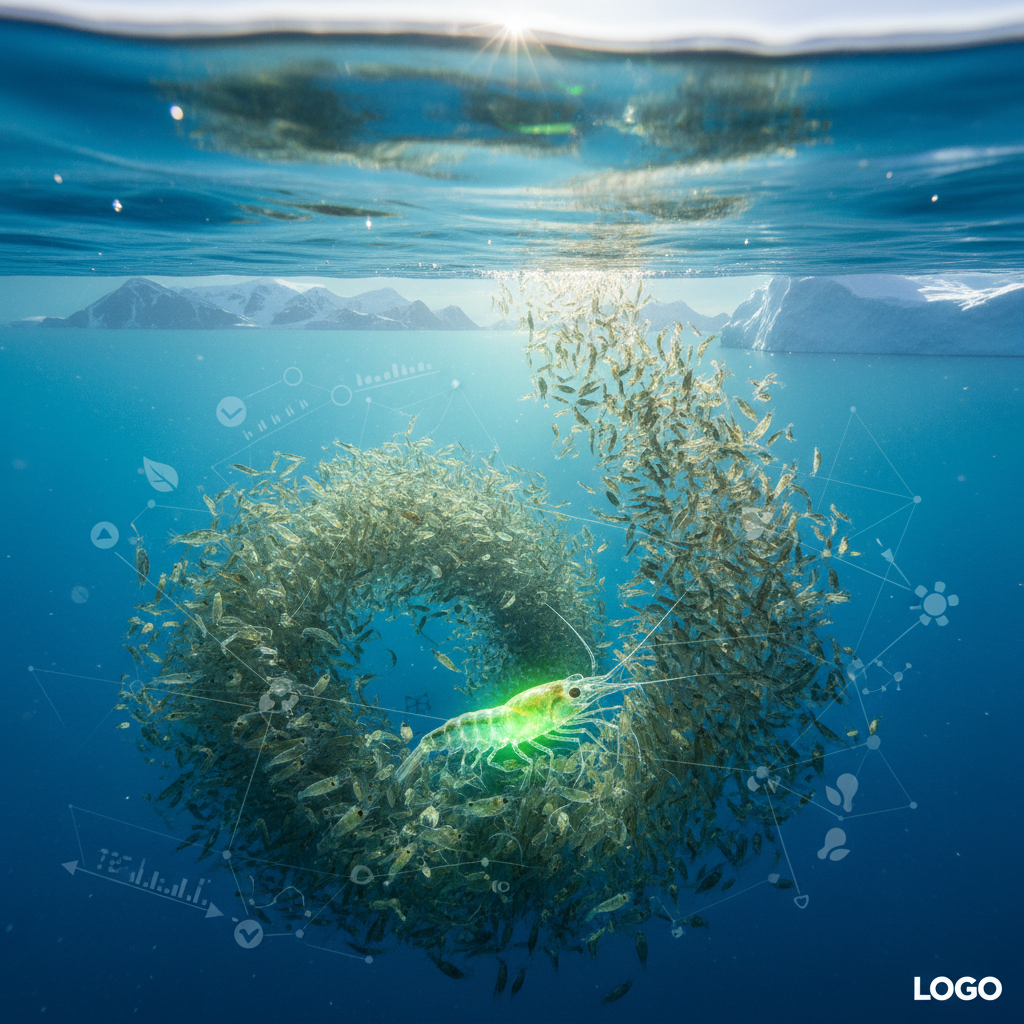
The pristine waters of Antarctica hold a delicate balance, with tiny krill forming the foundation of a vast food web. Now, the integrity of a major sustainability label for Antarctic krill is being questioned, shining a spotlight on what truly constitutes 'sustainable' fishing and how our consumer choices impact this critical polar ecosystem.
TL;DR: Key Facts
- The Marine Stewardship Council (MSC) is currently assessing the fourth recertification of Aker QRILL Company’s Antarctic krill fishery.
- If approved, this recertification would allow Aker to continue using the MSC eco-label, signifying sustainable sourcing.
- The sustainability of the krill fishery and the robustness of MSC’s assessment process are being challenged by critics.
- Concerns center on the crucial role of krill in the Antarctic food web and the potential ecological impacts of continued fishing pressure.
- This decision carries significant implications for marine conservation, the future of the Southern Ocean, and consumer trust in sustainability certifications.
What Happened
The Marine Stewardship Council (MSC), a globally recognized non-profit setting standards for sustainable fishing, recently released a draft report concerning the fourth recertification of Antarctic krill fishing conducted by Aker QRILL Company. This recertification process is a periodic review designed to ensure that fisheries bearing the MSC's distinctive blue eco-label continue to meet stringent environmental criteria for sustainable practice. Should the recertification be granted, Aker QRILL Company would retain the right to apply the MSC label to its krill products, assuring consumers that their purchases come from a responsibly managed and sustainable fishery.
However, the draft report and the recertification process itself have not been without controversy. Environmental groups, scientists, and other stakeholders have voiced skepticism and raised pointed questions regarding the assessment's findings and methodologies. Their concerns highlight potential vulnerabilities in the current management of the krill fishery, particularly given the dynamic and increasingly stressed conditions of the Antarctic environment. The debate centers on whether the fishing practices truly align with long-term ecological sustainability, especially for a species as fundamental as Antarctic krill.
Why It Matters
The question surrounding Antarctic krill sustainability is far more significant than just one company's label; it touches the very heart of marine conservation and consumer ethics. Antarctic krill (Euphausia superba) is a keystone species, meaning its abundance and health are critical to the entire Southern Ocean ecosystem. Whales, seals, penguins, and numerous other marine creatures depend almost exclusively on krill for their survival. Any significant reduction or mismanagement of krill populations could have cascading, devastating effects throughout this fragile polar food web, threatening the survival of iconic wildlife.
Furthermore, this issue directly challenges the credibility of sustainability certifications like the MSC label. Consumers increasingly rely on these labels as trustworthy indicators of environmentally responsible sourcing, making informed decisions with their purchasing power. If a prominent label’s integrity is questioned—especially for a high-profile, ecologically sensitive product like Antarctic krill—it can erode public trust in sustainable claims across the board. This undermines the very purpose of eco-labeling: to guide consumers towards better choices and incentivize sustainable industry practices.
In a world grappling with climate change, which already places immense pressure on polar ecosystems through ice melt and ocean acidification, ensuring the sustainability of critical species like krill is paramount. This situation forces us to confront complex trade-offs between economic interests and ecological preservation, underscoring the urgent need for rigorous scientific assessment, transparent decision-making, and precautionary management approaches in all aspects of marine resource extraction.
What You Can Do
As a conscious consumer and advocate for sustainable living, your choices and engagement can make a real difference:
- Scrutinize Sustainability Claims: Don't blindly trust labels. Research the certifying body and the specific practices of companies you buy from, especially for seafood and supplements.
- Reduce Reliance on Krill Products: Consider plant-based alternatives for omega-3 supplements (like algal oil) or choose pet foods that don't rely heavily on krill.
- Support Stronger Certifications: Advocate for greater transparency, independent oversight, and more stringent scientific criteria within sustainability certification schemes like MSC.
- Educate Your Network: Share information about the importance of Antarctic krill and the complexities of sustainable seafood with friends, family, and on social media.
- Support Marine Conservation: Donate to or volunteer with organizations dedicated to protecting polar regions and advocating for responsible fisheries management.
- Demand Corporate Accountability: Use your consumer voice to ask companies about their sourcing practices and push for ethical supply chains.
FAQs
Q: What is Antarctic krill primarily used for?
A: Antarctic krill is mainly harvested for use in omega-3 fatty acid supplements for humans, feed for aquaculture (farmed fish), and as an ingredient in pet food.
Q: Why is Antarctic krill considered a keystone species?
A: Krill are tiny crustaceans that form the fundamental base of the entire Antarctic food web. They are the primary food source for a vast array of marine life, including baleen whales, seals, penguins, and many fish species. Without abundant krill, the entire ecosystem would collapse.
Q: What is the Marine Stewardship Council (MSC)?
A: The MSC is an international non-profit organization that aims to reverse the decline in global fish stocks. It does this by setting science-based standards for sustainable fishing and operating an eco-labeling program that recognizes and rewards sustainable fishing practices.
Sources
This article is based on reporting by Mongabay.
Original source
Mongabay
Author, Digital Entrepreneur & AI Creator
More from Wildlife & Nature News
- The Silent Drain: Sand Scarcity Threatens Global Ecosystems — May 13, 2026
- Celestial Glimpse: Earth's Glow, Our Lost Night Skies — May 11, 2026
- Google's UK Datacentre Emissions Understated by Factor of Five — May 10, 2026
- Cosmic Beacon: Earth's Glow Inspires Global Stewardship — May 9, 2026
- Amazon Tipping Point: Deforestation, Warming Threaten Rainforest by 2040s — May 8, 2026