Beat Inflation: Grow Perennial Edibles for Sustainable Savings
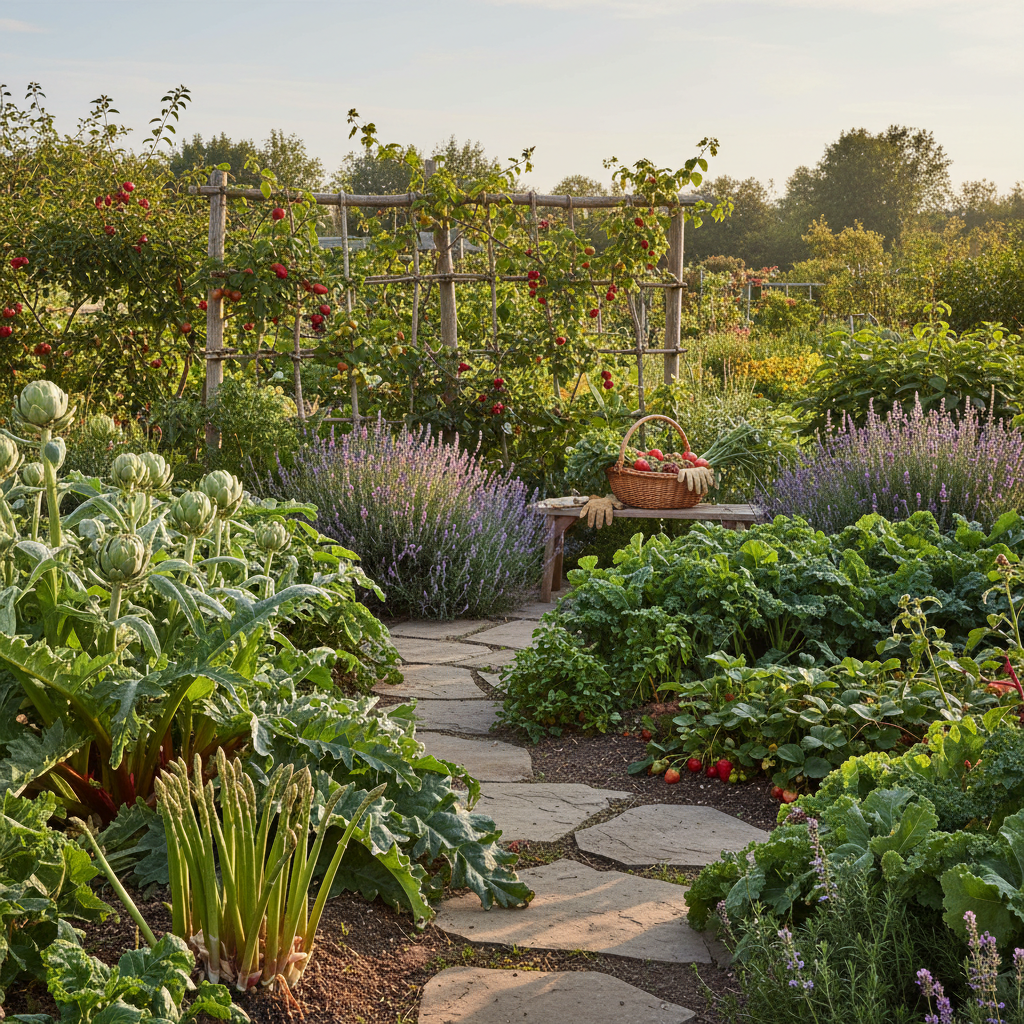
Key Takeaways
- Rising grocery costs make home food production increasingly vital.
- Perennial edible gardens offer significant long-term savings in money, time, and labor.
- These gardens enhance food security and contribute to environmental health through improved soil and biodiversity.
- Perennial edibles are adaptable to various garden sizes and types, including containers.
- Embracing perennials supports a more sustainable and self-sufficient lifestyle.
In an era of economic shifts and rising living costs, the pursuit of sustainable living has never been more urgent. As grocery bills continue their upward trajectory, a potent solution emerges from our own backyards: the perennial edible garden. This isn't just about growing food; it's about building long-term resilience, saving money, and fostering a deeper connection with nature's bounty, right where you live.
This smart gardening approach directly counters inflation by providing a steady, self-renewing supply of fresh produce, significantly easing the strain on household budgets while promoting environmental stewardship. It's an investment in your wallet, your health, and the planet.
TL;DR: Key Facts
- Grocery prices are significantly increasing, impacting household budgets.
- Growing your own food offers a practical way to combat food inflation and enhance self-sufficiency.
- Perennial edible gardens, in particular, provide long-term savings in money, time, and labor compared to annual crops.
- This gardening method is adaptable for various spaces, from small containers to dedicated garden beds and community plots.
- The focus is on durable plants that yield harvests year after year with minimal replanting.
What Happened
As highlighted by recent discussions in the gardening world, the persistent rise in grocery prices has prompted a search for innovative and economical food solutions. One prominent recommendation is to embrace home food production. While any form of gardening can alleviate costs, a particular emphasis is being placed on perennial edible gardens.
Unlike annuals, which require replanting each season, perennials offer a 'plant-it-once, harvest-for-years' model. This dramatically reduces the recurring costs of seeds or starts, the time spent on seasonal preparation, and the labor involved in tilling and planting anew. This approach is being championed as a highly efficient and sustainable strategy for gardeners looking to maximize their yield and minimize their expenditure.
This concept is applicable whether you have a sprawling yard, a small patio for containers, or access to a community garden plot. The core idea is to leverage plants that return year after year, providing continuous harvests of fruits, vegetables, herbs, and nuts, thereby building a resilient and budget-friendly food source right at your fingertips.
Why It Matters
For readers of GreenNest Living, the shift towards perennial edible gardens is far more than a gardening trend; it's a foundational pillar of sustainable living and economic resilience. In a world grappling with climate change, supply chain vulnerabilities, and inflationary pressures, cultivating perennial edibles offers tangible solutions to several pressing challenges. It directly addresses food security, allowing individuals and families to gain greater control over their food supply and reduce reliance on external systems that can be unpredictable.
Beyond the immediate financial benefits of saving on grocery bills, perennial gardens contribute significantly to environmental health. These plants often have deeper root systems, which improve soil structure, enhance water retention, and sequester carbon more effectively than annuals. They also require less tilling, reducing soil disturbance and preserving beneficial microbial life. Furthermore, a well-designed perennial garden can foster biodiversity, providing habitats and food sources for pollinators and other beneficial insects, which are crucial for a healthy ecosystem.
Embracing perennial edibles aligns perfectly with GreenNest Living's ethos of fostering a harmonious relationship between humans and nature. It encourages a long-term perspective on land use, promotes self-sufficiency, and empowers individuals to become active participants in their local food systems. It's about creating living landscapes that not only feed us but also enrich the environment, offering beauty, resilience, and a consistent harvest for years to come.
What You Can Do
- Research Local & Regional Perennials: Identify which perennial fruits, vegetables, and herbs thrive in your specific climate zone and soil type. Local nurseries or extension services are excellent resources.
- Start Small, Think Long-Term: Begin with a few easy-to-grow perennial edibles like asparagus, rhubarb, specific berry bushes (e.g., blueberries, raspberries), or perennial herbs (e.g., mint, thyme, oregano). Expand as you gain confidence.
- Prioritize Soil Health: Perennials rely on healthy soil for sustained productivity. Invest in enriching your soil with compost and organic matter from the start to provide a strong foundation for long-lived plants.
- Integrate with Existing Gardens: Perennials don't need a dedicated space. Integrate them into existing ornamental beds or create edible hedgerows for a beautiful and productive landscape.
- Explore Container Options: Many perennial edibles, such as certain herbs, dwarf fruit trees, and some berries, can thrive in large containers on patios or balconies, making them accessible for urban dwellers.
- Connect with Community Gardens: If you lack personal space, explore community garden initiatives. Many offer plots where you can dedicate space to perennial edibles, often with shared resources and knowledge.
FAQs
Q: What exactly is a perennial edible?
A: A perennial edible is a plant that lives for more than two years and produces edible parts (fruits, vegetables, leaves, roots, nuts) without needing to be replanted each season. They often go dormant in winter and regrow in spring.
Q: Do perennial edibles require less work than annuals?
A: Generally, yes. While initial establishment requires effort, once mature, perennials often demand less ongoing work than annuals because you don't need to replant them every year. They develop strong root systems, making them more resilient to pests, diseases, and drought, and typically require less frequent watering and feeding.
Q: Can I grow perennial edibles in small spaces or containers?
A: Absolutely. Many perennial edibles are well-suited for small spaces. Dwarf fruit trees, various berry bushes (like blueberries), asparagus, rhubarb, and most perennial herbs can thrive in large pots or raised beds, making them excellent choices for balconies, patios, or compact gardens.
Sources
This article is based on reporting by Gardenista.
Original source
Gardenista
Author, Digital Entrepreneur & AI Creator
More from Garden & Plants
- LA Oasis: Modern Spanish Colonial Design for Sustainable Living — May 13, 2026
- Flowering Shrubs: The Underrated Backbone of Your Eco-Garden — May 11, 2026
- Native Wisteria: Blooming Beauty, Boosting Biodiversity — May 10, 2026
- Embracing the Subtle Beauty of Shade Gardens — May 9, 2026
- Ground Covers: The Low-Maintenance Path to a Greener Yard — May 8, 2026