Beyond Beauty: How Small Gardens Combat Eco-Anxiety and Save Our World
Key Takeaways
- New book explores the power of small gardens in addressing environmental challenges.
- It introduces 'solastalgia,' the distress caused by environmental change, as a key motivation.
- Gardening is presented as a practical antidote to environmental loss and a path to healing.
- The book emphasizes that local, tangible actions in green spaces can lead to global impact.
- It promotes biodiversity, community connection, and personal empowerment through cultivating green spaces.
In an era increasingly defined by climate concerns and ecological uncertainty, it’s easy to feel overwhelmed by the scale of environmental challenges. But what if the most powerful solutions were literally in our backyards? A new book shines a spotlight on the profound impact of small gardens, offering a beacon of hope and a practical path forward for those seeking to make a tangible difference.
TL;DR: Key Facts
- A notable new book, ‘Gardens That Can Save the World,’ explores the transformative potential of small landscapes.
- The book introduces or deeply engages with the concept of 'solastalgia' – the distress or sense of loss experienced when one's familiar home or environment is negatively impacted by change.
- It argues that gardens, regardless of size, can serve as vital tools for environmental healing, fostering biodiversity, and strengthening community bonds.
- The central message empowers individuals to tackle larger ecological issues through local, achievable actions in their own green spaces.
What Happened
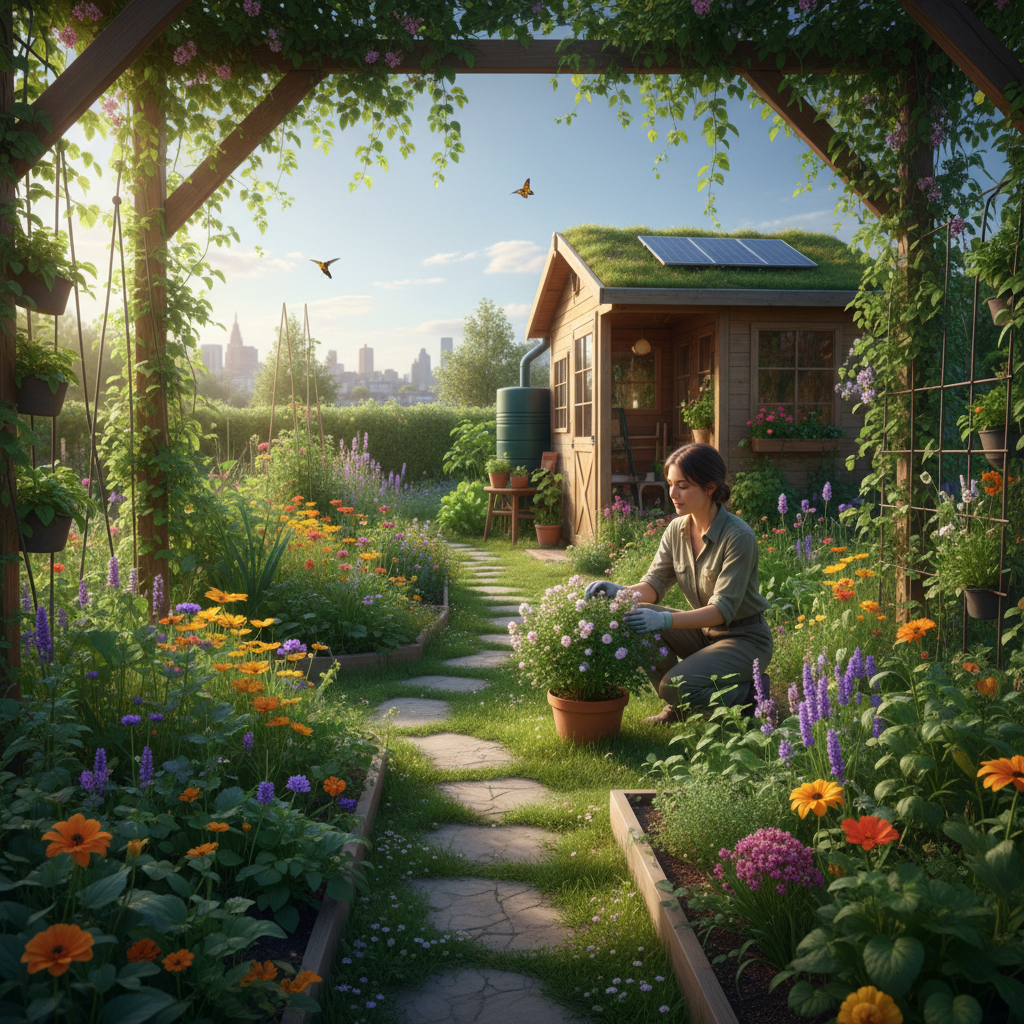
“Gardens That Can Save the World” is a new publication making waves in the gardening and environmental communities. This book ventures beyond traditional horticultural advice to frame gardening as a critical act of ecological preservation and emotional well-being. It highlights how even the most modest of green spaces – from a window box to a suburban backyard – can contribute significantly to environmental recovery and community resilience.
A core concept explored within the book is “solastalgia,” a term describing the profound sense of loss or distress felt when one’s familiar environment undergoes negative changes, even if one has not physically moved. The book suggests this can manifest from the dismay of gentrification replacing natural landscapes with carports, or more broadly, from the wider impact of ecological degradation. By identifying this emotional toll, the book positions gardening not just as a hobby, but as a direct counter-narrative and an antidote to environmental grief, offering a practical way to reclaim and regenerate local ecosystems.
Why It Matters
For GreenNest Living readers, this book’s perspective is nothing short of revolutionary, reframing the very essence of gardening. It elevates what might seem like a simple pastime into a potent act of environmental stewardship and personal empowerment. In a world grappling with climate change, biodiversity loss, and increasing feelings of helplessness, “Gardens That Can Save the World” provides a crucial framework for understanding how individual actions, particularly in our green spaces, contribute to a larger, regenerative movement. It validates the immense value of cultivating even a small patch of earth, demonstrating that every native plant sown, every pollinator supported, and every patch of healthy soil nurtured is a direct investment in the planet's future.
The book’s focus on 'solastalgia' is particularly resonant. Many of us experience a quiet ache as we witness environmental degradation, be it local development or global climate shifts. This concept gives a name to that feeling and, more importantly, offers a tangible, accessible solution. By transforming our gardens into ecological havens, we’re not just growing plants; we’re actively combating environmental despair and rebuilding a sense of connection and control. This shift from passive observer to active participant is vital for fostering mental well-being alongside ecological health, creating a symbiotic relationship between personal healing and planetary repair.
This perspective aligns perfectly with GreenNest Living’s mission to inspire sustainable living. It underscores the interconnectedness of our personal spaces with global ecosystems, urging readers to see their gardens as micro-sanctuaries of biodiversity and resilience. It challenges the conventional view of gardening as merely aesthetic or productive, instead positioning it as a fundamental practice for environmental advocacy, community building, and an essential response to the challenges of our time. By embracing the principles outlined in this book, gardeners become not just caretakers of their patch, but vital agents in the collective effort to save the world, one garden at a time.
What You Can Do
Inspired by the powerful message of ‘Gardens That Can Save the World,’ here’s how you can translate these big ideas into actionable steps:
- Read and Reflect: Seek out “Gardens That Can Save the World” or similar literature that explores the deeper environmental and emotional impacts of gardening. Understanding the philosophy behind eco-gardening can empower your actions and deepen your connection to your green space.
- Start Small, Think Big: You don't need acres of land. Begin by transforming a window box, a small patio, or a corner of your yard into a biodiverse oasis. Focus on native plants that support local pollinators and wildlife, demonstrating that even a tiny garden can have outsized ecological benefits.
- Embrace Biodiversity: Prioritize planting a diverse range of native species. These plants are adapted to your local climate, require less water and maintenance, and provide essential food and habitat for local insects, birds, and other wildlife, directly contributing to ecosystem health.
- Connect with Your Community: Join or initiate a community garden project. Shared gardening spaces not only maximize impact but also foster social connections, build resilience, and educate more people about sustainable practices. Consider advocating for more green spaces in local planning.
- Educate and Advocate: Share your gardening journey and its positive impacts with friends, family, and neighbors. Explain the concept of solastalgia and how conscious gardening can be a remedy. Use your voice to advocate for greener urban planning and environmental policies in your local area.
- Practice Soil Health: Recognize that healthy soil is the foundation of a healthy garden and a healthy planet. Implement composting, minimize tilling, and avoid chemical pesticides or fertilizers to build vibrant, living soil that sequesters carbon and supports robust plant life.
FAQs
Q: What exactly is 'solastalgia'?
A: Solastalgia is a neologism referring to the distress, sadness, or a profound sense of loss experienced by individuals when their familiar home environment is negatively altered by environmental changes, such as climate change impacts, natural resource depletion, or urban development, even though they have not physically left their home.
Q: How can a small garden truly 'save the world' in the face of massive environmental challenges?
A: While a single small garden won't solve global crises, the collective action of millions of small gardens creates a powerful network of biodiversity corridors, carbon sequestration, and local ecological resilience. Each garden acts as a vital stepping stone for wildlife, a filter for air and water, and a tangible space for individuals to counteract environmental degradation and nurture hope.
Q: Is this book primarily for experienced gardeners or also for beginners interested in environmental impact?
A: The book's profound message is designed to resonate with anyone concerned about the environment, regardless of their gardening expertise. It focuses more on the philosophy and impact of gardening than on complex horticultural techniques, making it accessible and inspiring for both novices and seasoned green thumbs looking to garden with a purpose.
Sources
This article is based on reporting by Gardenista.
Original source
Gardenista
Author, Digital Entrepreneur & AI Creator
More from Garden & Plants
- LA Oasis: Modern Spanish Colonial Design for Sustainable Living — May 13, 2026
- Flowering Shrubs: The Underrated Backbone of Your Eco-Garden — May 11, 2026
- Native Wisteria: Blooming Beauty, Boosting Biodiversity — May 10, 2026
- Embracing the Subtle Beauty of Shade Gardens — May 9, 2026
- Ground Covers: The Low-Maintenance Path to a Greener Yard — May 8, 2026