Bringing the Outdoors In: The Resurgence of Orangeries
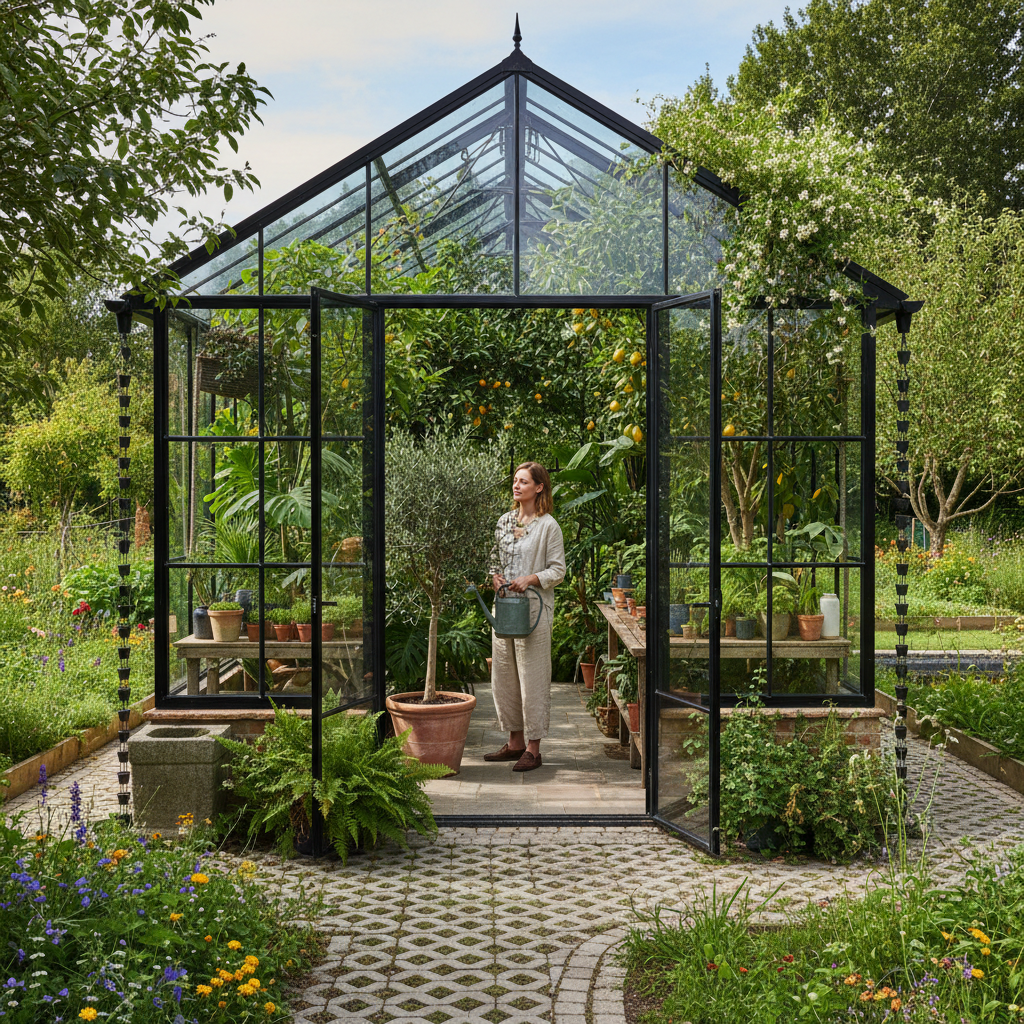
Key Takeaways
- Orangeries originated in the 17th century due to a European citrus craze.
- Historically, these lavish, light-filled buildings were for cultivating citrus and entertaining.
- The concept is experiencing a modern-day revival for contemporary homes.
- They blur the lines between indoor and outdoor living spaces.
- Modern orangeries offer inspiration for year-round plant cultivation and biophilic design.
The Modern Orangery: Cultivating Citrus & Connection
The historical concept of the orangery, once a symbol of aristocratic indulgence, is experiencing a remarkable resurgence in modern design. For those of us seeking deeper connections with nature and year-round gardening possibilities, this trend offers a brilliant blend of history, luxury, and sustainable living. It's a testament to our enduring desire to bring the vibrant life of a garden directly into our homes, regardless of the season.
TL;DR: Key Facts
- Orangeries emerged in 17th-century Europe due to a nobility's fascination with citrus fruits.
- These elaborate, light-filled buildings served as spaces for cultivating sensitive plants and entertaining guests.
- The concept is inspiring modern architects and gardeners to create similar indoor-outdoor havens.
- They offer a way to extend growing seasons and integrate nature seamlessly into living spaces.
What Happened
The term “orangery” first entered our lexicon in the 17th century, a direct result of a burgeoning craze for citrus fruits among Europe's elite. Across the continent, nobility sought to cultivate these exotic plants, leading to the construction of dedicated, often lavish, structures. These early orangeries were characterized by their abundant light, designed specifically to nurture delicate citrus trees through colder climates.
Beyond their primary function as botanical havens, these stately outbuildings quickly evolved into prestigious social venues. They provided an elegant setting for entertaining and impressing guests, showcasing both horticultural prowess and refined taste. Today, this historical concept is being revisited, inspiring a fresh wave of “modern-day orangeries” that adapt these principles for contemporary homes, as highlighted by recent trends in garden design.
Why It Matters
For GreenNest Living readers, the renewed interest in orangeries isn't just about architectural nostalgia; it's a profound statement about our evolving relationship with nature and sustainable living. In an increasingly urbanized world, creating dedicated, climate-controlled spaces for plants allows us to extend our gardening seasons indefinitely, cultivate a wider variety of plants—including exotic edibles like citrus—and reduce our reliance on industrial agriculture. It embodies the ultimate "garden-to-table" ethos, even in challenging climates, turning a historical luxury into a modern sustainable practice.
Moreover, the modern orangery champions biophilic design principles, fostering a constant connection to the natural world. These light-filled structures blur the lines between indoor comfort and outdoor vibrancy, improving mental well-being, air quality, and overall home aesthetics. They offer a unique sanctuary where one can escape the hustle and bustle, surrounded by lush greenery, effectively bringing the restorative power of a garden directly into one's daily life. It’s a powerful architectural tool for enhancing home health and promoting a greener lifestyle, moving beyond mere decoration to integrated, living spaces.
What You Can Do
- Assess Your Space: Evaluate existing areas like sunrooms, large bay windows, or even underutilized patios for their potential to be transformed into plant-friendly zones. Consider light exposure and temperature consistency.
- Research Plant Needs: Before investing, understand the specific light, humidity, and temperature requirements of plants like citrus that would thrive in an orangery-like environment.
- Improve Existing Conditions: Enhance light with supplemental grow lights, boost humidity with pebble trays or humidifiers, and improve air circulation in your chosen plant-growing areas.
- Explore Architectural Additions: For a more substantial project, consult with architects about adding a small conservatory, a glass extension, or a dedicated sunroom that optimizes natural light and climate control for plants.
- Focus on Energy Efficiency: If building, prioritize double-glazing, passive solar design principles, and efficient ventilation to minimize energy consumption and maintain a stable internal climate.
- Start Small, Dream Big: Begin with a curated collection of potted plants in a sunny spot, gradually expanding your indoor garden as you learn and gain confidence in cultivating diverse flora.
FAQs
Q: What's the main difference between an orangery and a greenhouse?
A: While both are glazed structures for plants, traditional orangeries were more architecturally integrated with the main house, featuring solid roofs and walls, grander designs, and often serving as entertainment spaces. Greenhouses are typically simpler, fully glazed, and focused solely on plant cultivation, often detached from the home.
Q: Can I have an orangery in a cold climate?
A: Absolutely! Modern orangeries are designed with advanced glazing and insulation to create a stable, warm microclimate even in harsh winters, making them ideal for cultivating tender plants that wouldn't survive outdoors in cold regions.
Q: What types of plants are best suited for a modern orangery?
A: Beyond their namesake citrus trees, modern orangeries are perfect for tropical plants, orchids, succulents, herbs, and other tender edibles that require consistent warmth and abundant light, extending your gardening possibilities year-round.
Sources
This article is based on reporting by Gardenista.
Original source
Gardenista
Author, Digital Entrepreneur & AI Creator
More from Garden & Plants
- LA Oasis: Modern Spanish Colonial Design for Sustainable Living — May 13, 2026
- Flowering Shrubs: The Underrated Backbone of Your Eco-Garden — May 11, 2026
- Native Wisteria: Blooming Beauty, Boosting Biodiversity — May 10, 2026
- Embracing the Subtle Beauty of Shade Gardens — May 9, 2026
- Ground Covers: The Low-Maintenance Path to a Greener Yard — May 8, 2026