Cultivate Change: AHS Releases Definitive Ecological Gardening Guide
Key Takeaways
- The American Horticultural Society (AHS) has released a new, definitive 'Essential Guide to Ecological Gardening'.
- Ecological gardening focuses on working with nature, prioritizing soil health, biodiversity, water conservation, and native plants.
- The AHS guide provides authoritative, in-depth knowledge, making it a crucial resource for sustainable gardeners.
- Practical applications include composting, planting natives, conserving water, boosting biodiversity, and avoiding chemicals.
- This guide empowers individuals to create resilient, vibrant gardens that contribute to environmental health and sustainability.
The Green Revolution is Here: Your Definitive Guide to Ecological Gardening
Here at GreenNest Living, we're always on the lookout for resources that empower our community to live more sustainably and connect deeply with the natural world. So, when we saw the latest 'Required Reading' feature from our friends at Gardenista, announcing a monumental release from the American Horticultural Society (AHS), we knew this was news worth celebrating – and diving into!
The buzz is all about the AHS's new publication: the Essential Guide to Ecological Gardening. In an era where environmental consciousness is no longer a niche interest but a global imperative, a definitive guide from such a venerable institution is not just timely – it's transformative. This isn't just another gardening book; it's a compass for navigating the future of sustainable living, starting right in our own backyards.
What Exactly is 'Ecological Gardening'? Beyond the Buzzword
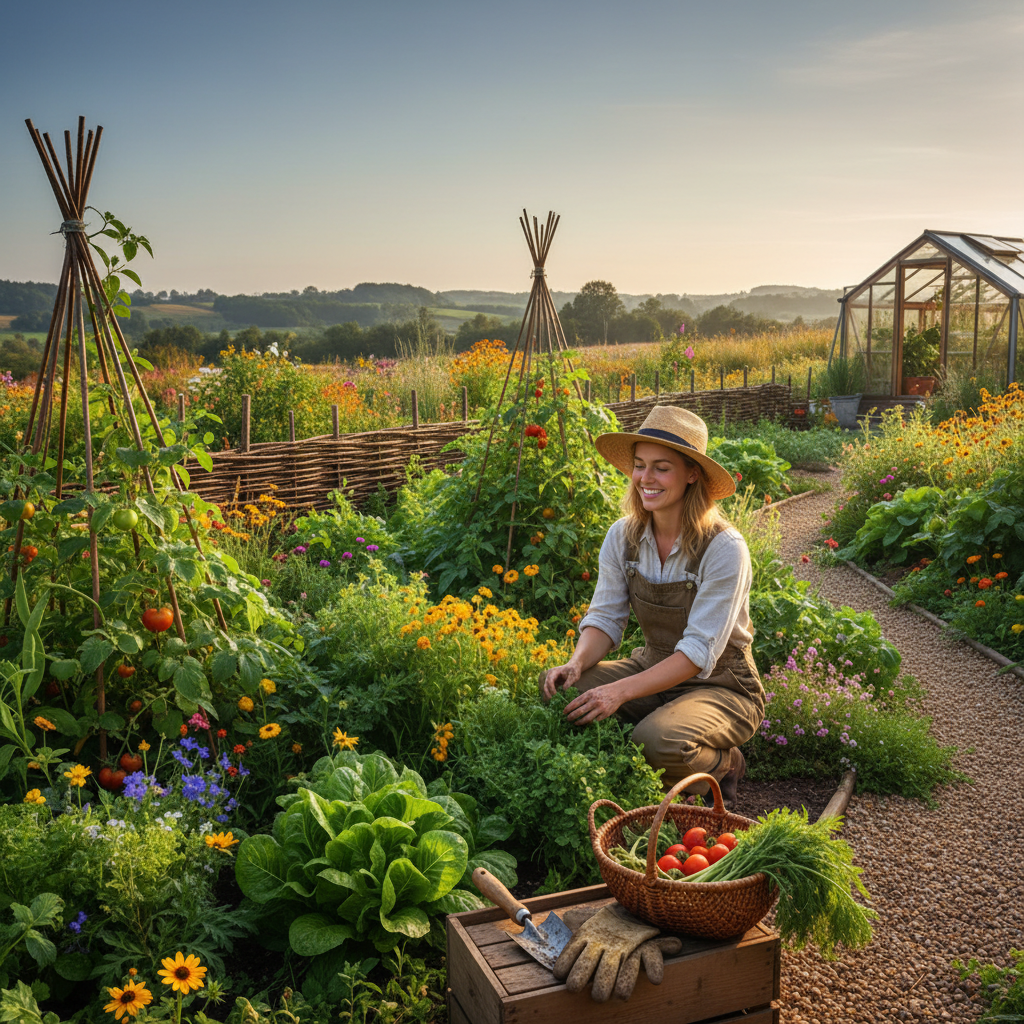
The term 'ecological gardening' might sound academic, but its principles are beautifully simple and profoundly impactful. At its core, ecological gardening is about working with nature, not against it. It's about recognizing your garden not just as a patch of land, but as a dynamic ecosystem, a vital link in the broader web of life.
Unlike conventional gardening, which often prioritizes aesthetics through intensive inputs like synthetic fertilizers and pesticides, ecological gardening focuses on creating a self-sustaining, resilient landscape. This approach emphasizes:
- Soil Health: Nurturing living soil teeming with beneficial microorganisms, the foundation of all healthy plant life.
- Biodiversity: Encouraging a diverse array of plants, insects, birds, and other wildlife, fostering a balanced ecosystem.
- Water Conservation: Implementing smart watering techniques, collecting rainwater, and choosing drought-tolerant plants to minimize consumption.
- Native Plants: Prioritizing species endemic to your region, which are naturally adapted to local conditions and provide essential food and habitat for native wildlife.
- Integrated Pest Management (IPM): Using natural predators, companion planting, and cultural practices to manage pests rather than relying on harmful chemicals.
- Resource Efficiency: Composting organic waste, using local materials, and minimizing the environmental footprint of your gardening practices.
By adopting these principles, you're not just growing plants; you're cultivating a healthier planet, one garden bed at a time.
The AHS Seal of Approval: Why This Guide is Essential
For nearly a century, since its founding in 1922, the American Horticultural Society has been a beacon of horticultural excellence. Known for publishing dozens of insightful books, including deep-dive guides on single issues like propagation and starting seeds, the AHS has consistently provided authoritative, research-backed information to gardeners across America.
The Gardenista report highlights that the Essential Guide to Ecological Gardening is a 'broad yet in-depth manual.' This distinction is crucial. It means the guide likely doesn't just skim the surface but delves into the scientific rationale and practical applications necessary for true ecological transformation. A 'definitive guide' from an organization of AHS's caliber signifies a benchmark. It tells us this isn't a fleeting trend but a fundamental shift, backed by expert consensus and years of horticultural wisdom.
For GreenNest Living readers, this guide represents a trusted companion on your journey to creating a truly sustainable outdoor space. It promises to distill complex ecological science into accessible, actionable advice, empowering even novice gardeners to make impactful choices.
Practical Steps for Your Eco-Friendly Oasis
Inspired by the AHS's commitment to ecological gardening, here are some actionable steps you can start implementing in your own garden:
Prioritize Soil Health
Your garden's ecosystem starts beneath your feet. Begin composting kitchen scraps and yard waste to enrich your soil with organic matter. Consider 'no-dig' gardening methods to preserve soil structure and microbial life. A soil test can also provide invaluable insights into your garden's specific needs, guiding your amendments.
Embrace Native Plants
Research native plants that thrive in your specific climate and soil conditions. These species require less water, fertilizer, and pest control because they've evolved to flourish locally. More importantly, they provide essential food and shelter for native pollinators, birds, and beneficial insects, rebuilding crucial habitat corridors.
Practice Water Conservation
Install rain barrels to capture rainwater for irrigation, reducing reliance on treated tap water. Implement drip irrigation systems or soaker hoses to deliver water directly to plant roots, minimizing evaporation. Group plants with similar water needs together, and consider incorporating drought-tolerant species into your landscape design.
Boost Biodiversity
Create diverse plantings with varying heights, bloom times, and flower shapes to support a wide range of pollinators throughout the season. Provide nesting sites for birds (e.g., birdhouses, dense shrubs) and 'insect hotels' for beneficial insects. Avoid tidying your garden too much in fall; leave some leaf litter and spent plant stalks to provide overwintering habitat.
Go Chemical-Free
Say goodbye to synthetic pesticides, herbicides, and fertilizers. Instead, opt for organic soil amendments. Practice integrated pest management by observing your garden closely, attracting natural predators (like ladybugs and lacewings), and using organic pest deterrents when necessary. A healthy, diverse ecosystem is often the best defense against pest outbreaks.
Your Garden, Your Legacy: Embracing the Ecological Shift
The AHS's Essential Guide to Ecological Gardening is more than just a book; it's an invitation to participate in a vital environmental movement. For our GreenNest Living community, it represents an unparalleled opportunity to deepen your connection with nature, transform your outdoor spaces into vibrant, resilient havens, and contribute meaningfully to local biodiversity and climate resilience.
Imagine a garden that flourishes with less intervention, a landscape teeming with life, and a sense of pride knowing you're cultivating not just beauty, but a healthier ecosystem. This guide empowers you to be a steward of your small patch of Earth, demonstrating that every garden, no matter its size, can play a powerful role in global sustainability.
We encourage you to seek out this essential guide. Let it be your blueprint for a garden that not only pleases the eye but also nurtures the soul and truly gives back to the planet. The future of gardening is ecological, and with the AHS leading the way, we're all equipped to cultivate that greener future.
Original source
GreenNest Living Editorial
Author, Digital Entrepreneur & AI Creator
More from Garden & Plants
- LA Oasis: Modern Spanish Colonial Design for Sustainable Living — May 13, 2026
- Flowering Shrubs: The Underrated Backbone of Your Eco-Garden — May 11, 2026
- Native Wisteria: Blooming Beauty, Boosting Biodiversity — May 10, 2026
- Embracing the Subtle Beauty of Shade Gardens — May 9, 2026
- Ground Covers: The Low-Maintenance Path to a Greener Yard — May 8, 2026