Cultivating a Greener Tomorrow: AHS Unveils Definitive Ecological Gardening Guide
Key Takeaways
- The American Horticultural Society (AHS) has released a definitive 'Essential Guide to Ecological Gardening'.
- Ecological gardening is crucial for fostering biodiversity, improving soil health, and conserving water.
- This approach emphasizes working with nature, using native plants, and avoiding harmful chemicals.
- The guide provides comprehensive, actionable insights for gardeners of all experience levels.
- Implementing ecological principles transforms your garden into a vital part of the local ecosystem.
The Green Revolution in Your Backyard: Embracing Ecological Gardening
Here at GreenNest Living, we’re always on the lookout for developments that empower our community to live more sustainably, connect with nature, and create greener spaces. That’s why a recent piece from our friends at Gardenista, highlighting a truly significant new publication, caught our immediate attention. The American Horticultural Society (AHS), an institution with a century-long legacy of horticultural excellence, has just released its “Essential Guide to Ecological Gardening.” This isn't just another gardening book; it’s a broad yet in-depth manual that promises to be a cornerstone for anyone serious about fostering a truly sustainable garden.
For too long, gardening has often focused solely on aesthetics or crop yield, sometimes at the expense of the wider ecosystem. But as environmental awareness grows, so does our collective understanding that our gardens are not isolated plots; they are vital pieces of a larger ecological puzzle. The AHS’s new guide arrives at a critical juncture, offering a comprehensive roadmap for gardeners to transition from merely cultivating plants to nurturing entire, thriving ecosystems right outside their doors.
Why Ecological Gardening Matters Now More Than Ever
The concept of ecological gardening isn't entirely new, but its urgency and importance have never been clearer. Our planet faces unprecedented challenges: biodiversity loss, climate change, water scarcity, and soil degradation. Every action we take, including how we tend our gardens, contributes to the solution or exacerbates the problem. Traditional gardening methods often rely on chemical fertilizers, pesticides, and excessive water, inadvertently harming beneficial insects, polluting waterways, and depleting soil health.
Ecological gardening, by contrast, is a philosophy rooted in working *with* nature, not against it. It’s about understanding the intricate relationships between plants, soil, water, insects, and wildlife, and then designing and maintaining a garden that supports these connections. The AHS, known for publishing dozens of insightful books since its founding in 1922 – from propagation to seed starting – has stepped up to provide a holistic vision. Their “Essential Guide” consolidates decades of wisdom and contemporary research into one accessible volume, making advanced ecological principles digestible for every gardener.
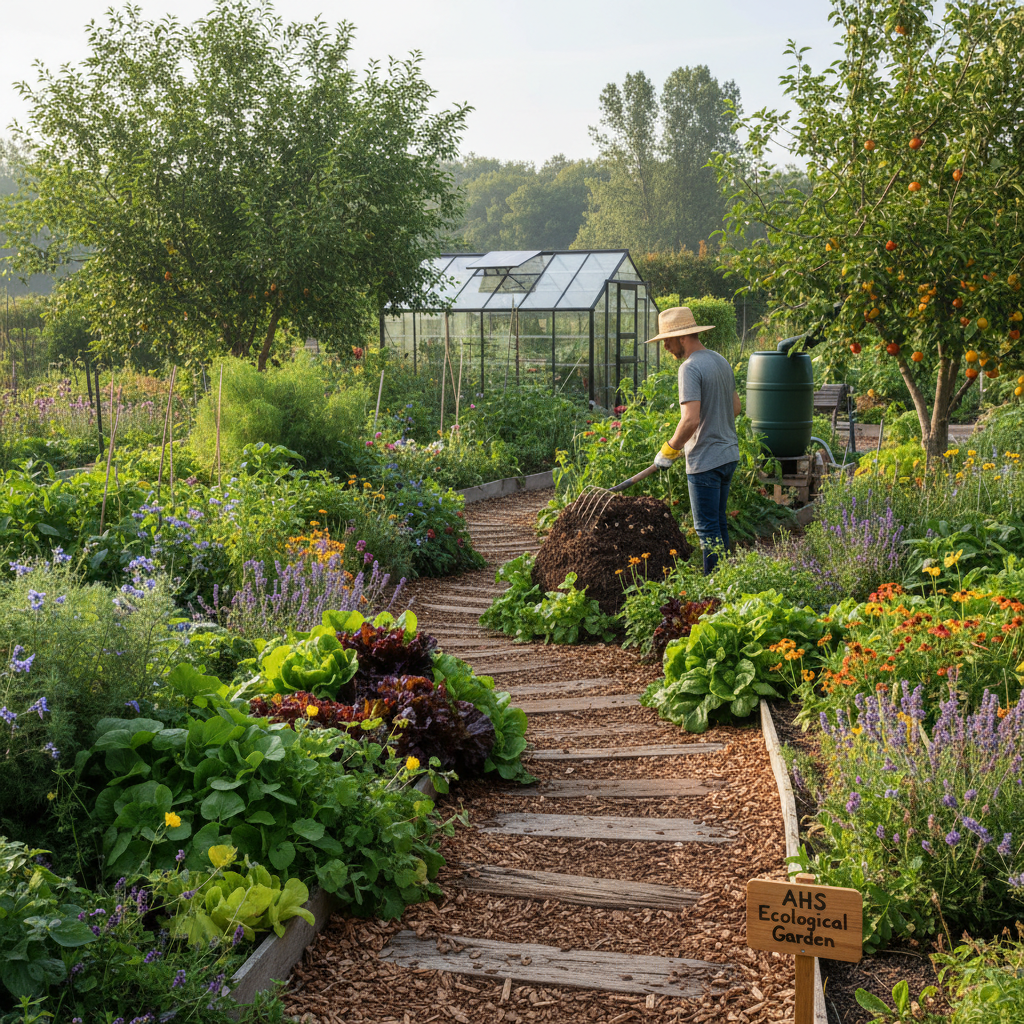
This isn't just about avoiding harm; it's about actively creating beneficial habitats, restoring balance, and enhancing the natural world around us. It transforms your garden from a passive decorative space into an active participant in local ecology, attracting pollinators, supporting native wildlife, and sequestering carbon.
Decoding the Principles: What Defines an Ecological Garden?
So, what exactly does it mean to garden ecologically? The AHS guide, by its very nature, will delve into these principles comprehensively, but at its heart, an ecological garden embraces several core tenets:
- Biodiversity is Key: Moving beyond monocultures, ecological gardens prioritize a diverse range of native plants. Native species are adapted to local conditions, require less water and intervention, and provide essential food and habitat for local wildlife, from butterflies to birds.
- Healthy Soil, Healthy Life: The soil is the foundation. Ecological gardening emphasizes building rich, living soil through composting, cover cropping, and minimal disturbance, rather than relying on synthetic fertilizers. This fosters a robust soil food web, which naturally nourishes plants and manages pests.
- Water Wisdom: Sustainable water management is crucial. This includes techniques like rainwater harvesting, efficient irrigation (drip systems), and choosing drought-tolerant plants or those suited to your climate, minimizing reliance on potable water.
- Natural Pest & Disease Management: Instead of chemical warfare, ecological gardeners employ integrated pest management (IPM). This involves encouraging beneficial insects, companion planting, and understanding natural cycles to keep pests in check without harming the wider environment.
- Creating Habitat: An ecological garden is a mini-nature preserve. It provides food, water, shelter, and nesting sites for birds, insects, and other creatures, turning your yard into a vibrant wildlife sanctuary.
- Reducing Waste & Resources: From composting kitchen scraps and garden debris to using recycled materials and minimizing energy consumption, sustainability permeates every aspect of an ecological garden.
The “Essential Guide to Ecological Gardening” promises to offer deep dives into each of these areas, providing not just the 'what' but the 'how' for gardeners at every level of experience.
Practical Steps to Cultivate Your Own Eco-Haven
Inspired to start your own ecological gardening journey? The AHS guide will undoubtedly be your ultimate companion, but here are some actionable steps you can begin today, informed by the principles it champions:
- Observe and Plan: Before digging, take time to understand your garden’s microclimates, soil type, and sun exposure. Identify existing plants and wildlife. Plan your layout to maximize efficiency and mimic natural patterns.
- Go Native: Research native plants that thrive in your region. They’re beautiful, resilient, and provide unparalleled support for local ecosystems. Your local extension office or native plant societies are great resources.
- Build Your Soil: Start a compost pile! Incorporate organic matter into your beds to improve soil structure, water retention, and nutrient availability. Avoid tilling excessively, which can disrupt soil microbiology.
- Rethink Your Lawn: Consider reducing the size of your lawn or converting portions into native plant beds, wildflower meadows, or food-producing gardens. Lawns are often resource-intensive; alternatives offer greater ecological benefits.
- Welcome Wildlife: Provide water sources (a bird bath or small pond), shelter (log piles, dense shrubs), and diverse food sources to attract and support beneficial insects, birds, and other small creatures.
- Minimize Inputs: Reduce or eliminate synthetic fertilizers and pesticides. Learn to identify pests and diseases and opt for organic, least-toxic solutions or, better yet, preventative measures like fostering biodiversity.
- Conserve Water: Install rain barrels to collect rainwater. Group plants with similar water needs together. Use mulch generously to retain soil moisture and suppress weeds.
These initial steps, when guided by the detailed insights of a resource like the AHS’s new manual, can transform not just your garden, but your entire relationship with the natural world.
The GreenNest Living Takeaway: A Foundational Resource for a Greener Future
The American Horticultural Society’s “Essential Guide to Ecological Gardening” is more than just a book; it’s a declaration that gardening can and should be a powerful tool for environmental stewardship. For readers of GreenNest Living, this guide represents a definitive resource, offering the knowledge and confidence to make genuinely impactful choices in your own outdoor spaces.
It’s an invitation to cultivate not just beautiful plants, but healthy ecosystems; to embrace the interconnectedness of all life; and to become an active participant in building a more sustainable future, one garden at a time. We highly encourage you to seek out this essential guide and let it illuminate your path to a truly ecological, and profoundly rewarding, gardening experience.
Original source
GreenNest Living Editorial
Author, Digital Entrepreneur & AI Creator
More from Garden & Plants
- LA Oasis: Modern Spanish Colonial Design for Sustainable Living — May 13, 2026
- Flowering Shrubs: The Underrated Backbone of Your Eco-Garden — May 11, 2026
- Native Wisteria: Blooming Beauty, Boosting Biodiversity — May 10, 2026
- Embracing the Subtle Beauty of Shade Gardens — May 9, 2026
- Ground Covers: The Low-Maintenance Path to a Greener Yard — May 8, 2026