Cultivating a Greener Tomorrow: AHS Unveils Ecological Gardening Guide
Key Takeaways
- The AHS's new "Essential Guide to Ecological Gardening" is a landmark publication, providing a definitive resource for sustainable practices.
- Ecological gardening goes beyond organic, focusing on creating interconnected ecosystems that support local biodiversity and natural processes.
- The AHS's endorsement signifies a mainstream shift towards truly sustainable gardening methods for all skill levels.
- Practical steps include nourishing soil, embracing native plants, conserving water, boosting biodiversity, and mindful pest management.
- Adopting ecological principles in your garden contributes significantly to broader environmental health and climate resilience.
In the vibrant, ever-evolving world of sustainable living, few developments spark as much excitement as the release of a truly authoritative resource. For those of us dedicated to cultivating greener spaces and fostering a healthier planet, the news from Gardenista recently brought precisely such a moment: the American Horticultural Society (AHS) has unveiled its latest publication, the Essential Guide to Ecological Gardening.
Since its founding in 1922, the AHS has been a bedrock of horticultural wisdom, publishing countless deep-dive guides on everything from propagation to seed starting. But their new "Definitive Guide to Ecological Gardening" isn't just another addition to their esteemed library; it's a monumental step forward, offering a broad yet in-depth manual that promises to redefine how gardeners approach their craft. This isn't just about growing plants; it's about growing ecosystems, fostering biodiversity, and actively contributing to a more sustainable world, one garden at a time.
Decoding Ecological Gardening: Beyond Just "Organic"
When many people hear "sustainable gardening," they often think simply "organic" – avoiding synthetic pesticides and fertilizers. While a crucial component, ecological gardening encompasses a far more holistic and profound philosophy. It's about recognizing your garden as an interconnected ecosystem, a miniature version of nature's grand design, and working *with* its natural processes rather than against them.
Ecological gardening, at its core, is the art and science of creating and maintaining a garden that supports local ecosystems. This means prioritizing the health of the soil food web, conserving water, enhancing biodiversity, providing habitat for pollinators and wildlife, and minimizing the environmental footprint of your gardening activities. It’s a shift from a human-centric view of a garden as a static display to a dynamic, living entity that plays a vital role in its surrounding environment. The AHS guide, by its very title, underscores this crucial distinction, moving the conversation beyond mere chemical avoidance to a comprehensive strategy for environmental stewardship.
The AHS Seal of Approval: Why This Guide Matters So Much
The American Horticultural Society’s long-standing reputation and rigorous approach to horticultural education lend immense weight to this new publication. For decades, AHS has been a trusted voice for gardeners across North America. When an organization with this pedigree releases a "definitive guide" on ecological gardening, it’s not just a trend; it’s a mainstreaming of vital principles. This signals a clear message: ecological practices are not just for niche enthusiasts; they are the future of responsible, effective gardening.
The Gardenista report highlights the guide's comprehensive nature, described as "a broad yet in-depth manual." This indicates that it likely covers everything from foundational principles to practical applications, making it accessible for both seasoned green thumbs looking to refine their practices and eager beginners taking their first steps towards a more sustainable landscape. Having a single, authoritative source that distills complex ecological concepts into actionable advice is invaluable. It equips us with the knowledge to make informed choices, transforming our outdoor spaces into thriving havens for both humans and nature.
Your Eco-Garden Blueprint: Actionable Steps Inspired by the Guide
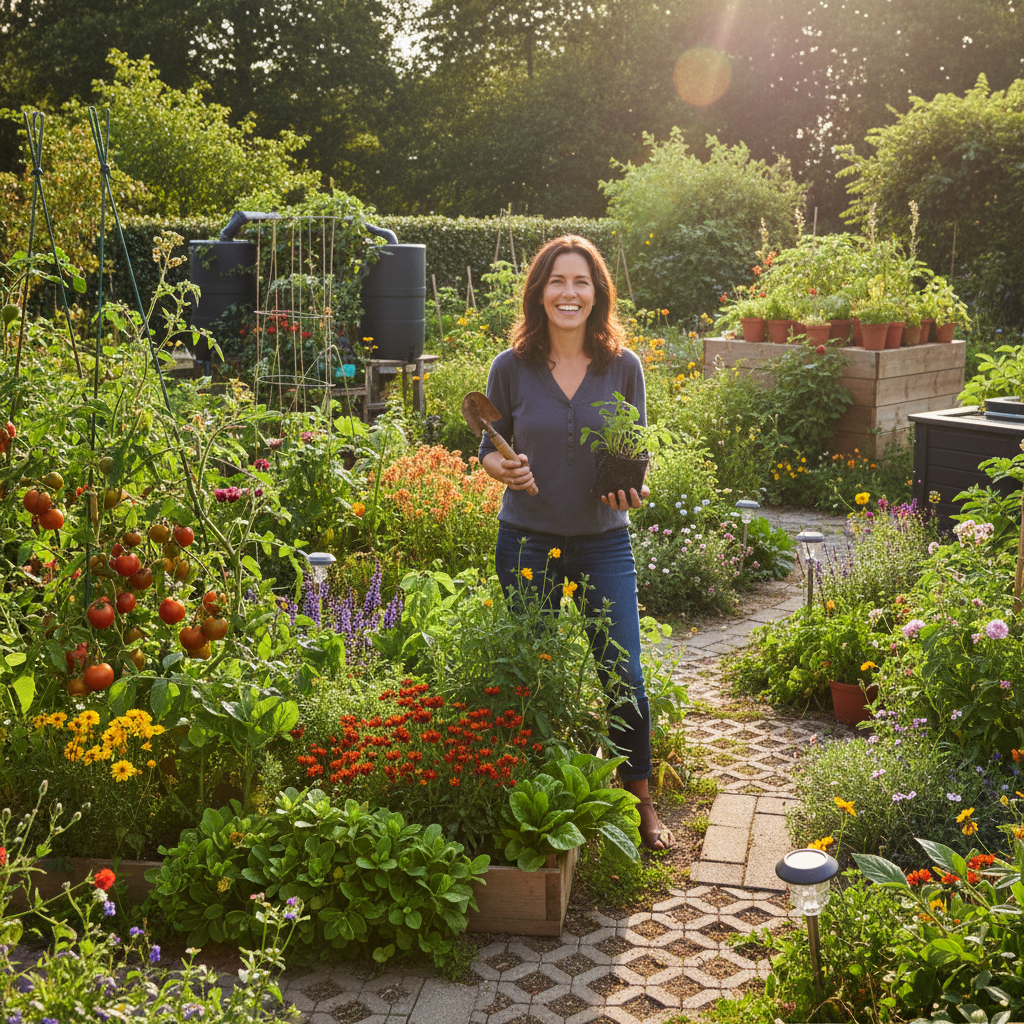
So, what does putting ecological gardening into practice actually look like? While the AHS guide will undoubtedly offer granular detail, we can anticipate some core actionable strategies that GreenNest Living readers can start implementing today. Think of these as your eco-garden blueprint, foundational steps towards cultivating a more resilient, biodiverse, and beautiful space:
-
Nourish Your Soil, Don't Just Feed Your Plants: Healthy soil is the bedrock of an ecological garden. Instead of relying solely on synthetic fertilizers that can disrupt the soil microbiome, focus on building living, organic soil. Incorporate generous amounts of compost, practice no-till gardening where possible, and consider cover crops in vegetable beds. The guide will likely emphasize understanding your soil composition and nurturing its beneficial organisms, turning it into a vibrant ecosystem in itself.
-
Embrace the Power of Native Plants: This is arguably one of the most impactful shifts. Native plants are adapted to your local climate and soil conditions, requiring less water and fewer inputs. Crucially, they have co-evolved with local wildlife, providing essential food sources and habitat for native insects, birds, and other creatures. By integrating native species, you’re not just growing a pretty plant; you’re restoring vital ecological connections.
-
Water Wisely, Conserve Every Drop: Water is a precious resource. Ecological gardening champions efficient water use through strategies like rainwater harvesting (rain barrels!), drip irrigation, and planting drought-tolerant species appropriate for your region. Grouping plants with similar water needs together (hydrozoning) also minimizes waste, ensuring every drop counts.
-
Cultivate Biodiversity: A diverse garden is a resilient garden. Plant a variety of species that bloom at different times to provide continuous nectar and pollen for pollinators. Create layered habitats with trees, shrubs, and groundcovers. Consider leaving some leaf litter or brush piles to offer shelter for beneficial insects and small wildlife. A vibrant mix of life forms creates a natural balance, reducing the likelihood of widespread pest outbreaks.
-
Practice Mindful Pest and Disease Management: Instead of reaching for chemical sprays at the first sign of trouble, ecological gardening promotes Integrated Pest Management (IPM). This involves monitoring, encouraging natural predators (like ladybugs and lacewings), hand-picking pests, and choosing resistant plant varieties. A healthy, biodiverse garden often has its own natural checks and balances, minimizing the need for intervention.
The Wider Impact: Why Your Garden is a Green Frontier
In an era marked by accelerating climate change, habitat loss, and declining biodiversity, every action counts. Your garden, no matter its size, is not an isolated patch of land; it's a vital component of the larger ecological fabric. By adopting the principles outlined in the AHS "Essential Guide to Ecological Gardening," you are doing more than just maintaining a beautiful space; you are actively participating in ecological restoration and climate resilience.
Imagine the collective impact if every GreenNest Living reader, every gardener, embraced these practices. Our combined efforts could create vast networks of pollinator pathways, provide critical urban wildlife corridors, reduce stormwater runoff, sequester carbon in healthy soils, and foster a deeper connection between humans and the natural world. The AHS's new guide serves as a powerful call to action, empowering us to transform our personal green spaces into vibrant hubs of sustainability, proving that individual action truly can cultivate a greener tomorrow.
Original source
GreenNest Living Editorial
Author, Digital Entrepreneur & AI Creator
More from Garden & Plants
- LA Oasis: Modern Spanish Colonial Design for Sustainable Living — May 13, 2026
- Flowering Shrubs: The Underrated Backbone of Your Eco-Garden — May 11, 2026
- Native Wisteria: Blooming Beauty, Boosting Biodiversity — May 10, 2026
- Embracing the Subtle Beauty of Shade Gardens — May 9, 2026
- Ground Covers: The Low-Maintenance Path to a Greener Yard — May 8, 2026