Cultivating Change: AHS Unveils Definitive Guide to Ecological Gardening
Key Takeaways
- The American Horticultural Society's new 'Essential Guide to Ecological Gardening' is a foundational text for sustainable horticulture.
- Ecological gardening goes beyond organic, focusing on creating resilient, biodiverse, self-sustaining ecosystems.
- Prioritizing native plants is crucial for supporting local wildlife and reducing maintenance needs.
- Building soil health through composting and mulching is fundamental to an ecological garden.
- Wise water management, including rain gardens and efficient irrigation, conserves precious resources.
- Creating habitat for beneficial insects and wildlife fosters natural pest control and biodiversity.
Cultivating Change: AHS Unveils Definitive Guide to Ecological Gardening
Here at GreenNest Living, our mission has always been to empower you to live more sustainably, connecting with the natural world right outside your door. So, when we spotted some truly pivotal news over at our esteemed colleagues at Gardenista, we knew it was a development our community would want to hear about immediately. The American Horticultural Society (AHS), a name synonymous with horticultural excellence since 1922, has just released their latest seminal work: the Essential Guide to Ecological Gardening. This isn't just another gardening book; it's being hailed as a broad yet in-depth manual that promises to redefine how we approach our green spaces, making it a must-read for anyone serious about fostering a truly sustainable home environment.
In an age where environmental consciousness is no longer a niche interest but a global imperative, the timing of this guide couldn't be more crucial. For decades, the AHS has been a trusted source, publishing countless resources on everything from propagation to seed starting. With this new release, they’re distilling a century of horticultural wisdom through the lens of modern ecological understanding, offering a definitive roadmap for gardeners committed to making a positive impact.
What Exactly is Ecological Gardening? Beyond Just 'Organic'
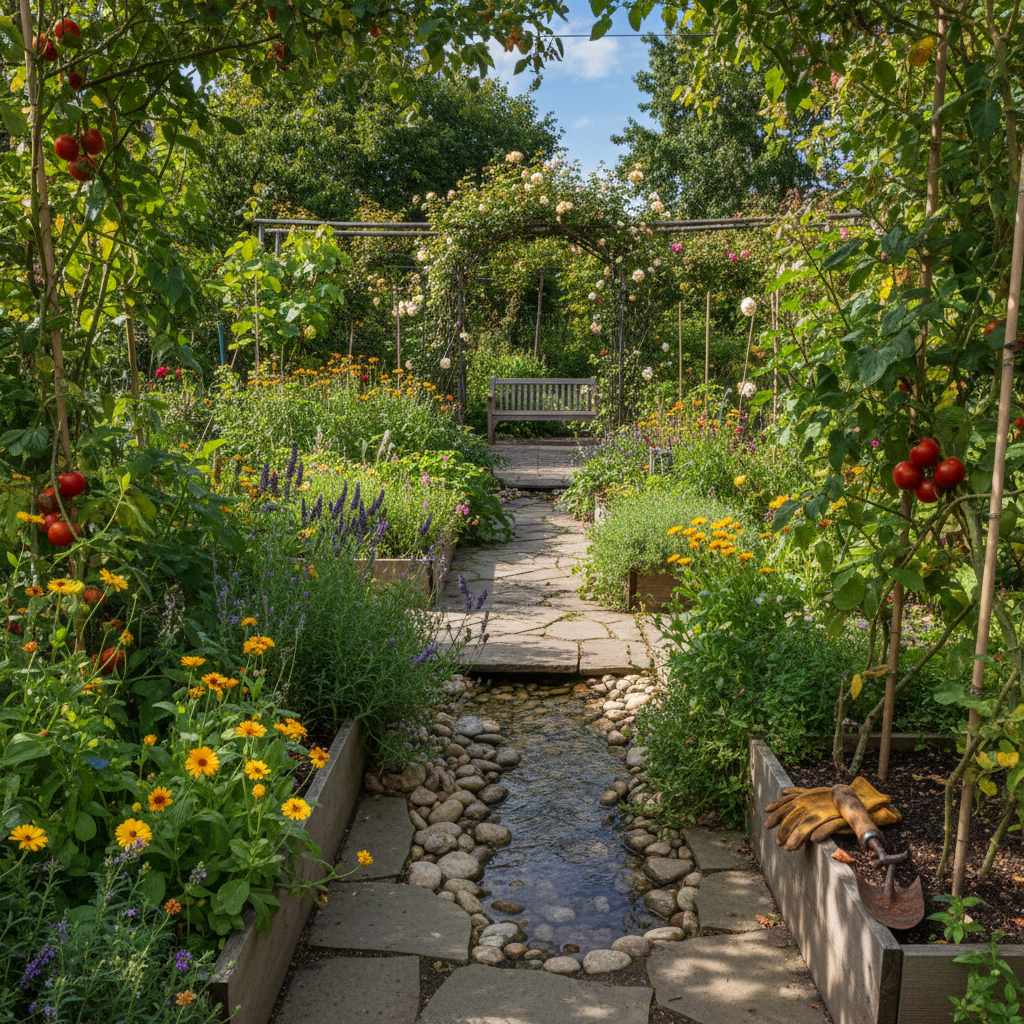
Before we dive into why this AHS guide is so significant, let’s clarify what ecological gardening truly entails. It’s a philosophy that extends far beyond merely avoiding synthetic pesticides and fertilizers – though those are certainly integral components. Ecological gardening is about working with nature, not against it. It’s about creating a miniature ecosystem in your own backyard, one that is resilient, self-sustaining, and rich in biodiversity.
Imagine a garden where every plant, every insect, every patch of soil plays a vital role. This approach prioritizes:
- Biodiversity: Encouraging a wide array of plant and animal life, from beneficial insects to birds and small mammals.
- Soil Health: Treating soil as a living organism, nurturing it with organic matter, and minimizing disturbance.
- Water Conservation: Designing landscapes that efficiently capture and utilize water, reducing reliance on irrigation.
- Native Plants: Choosing species that are naturally adapted to your local climate and soil, reducing maintenance and providing essential habitat for local wildlife.
- Minimizing Inputs: Reducing the need for external resources like water, fertilizers, and pesticides.
- Closed-Loop Systems: Composting, mulching, and recycling garden waste back into the system.
It’s a holistic vision that sees your garden not as an isolated plot, but as an interconnected part of the larger ecosystem. And this new AHS guide is poised to be the comprehensive text that brings these principles to the forefront for every gardener, from novice to seasoned expert.
The AHS Legacy and Why This Guide Matters Now More Than Ever
The American Horticultural Society has long been a pillar of gardening knowledge. Their history of producing deep-dive guides speaks to their commitment to robust, research-backed information. The release of an 'Essential Guide to Ecological Gardening' isn't just another publication; it's a powerful statement from one of the most respected horticultural organizations in the country.
In an era facing unprecedented environmental challenges – climate change, biodiversity loss, water scarcity – the way we manage our private green spaces holds immense collective power. This guide acknowledges that every garden, no matter its size, can be a sanctuary for nature and a crucial piece of the ecological puzzle. It provides the authoritative framework many gardeners have been seeking to transition from conventional practices to truly sustainable ones. This isn't just about what looks good; it's about what does good for the planet.
Practical Steps Towards an Ecological Oasis
While we eagerly await our own copy of the AHS's definitive guide, we can anticipate the core tenets it will champion, offering actionable advice for GreenNest Living readers. Here are some key principles you can start implementing today:
1. Embrace Native Plants for a Thriving Ecosystem
Perhaps the most impactful step you can take is to prioritize native plants. These species have evolved alongside local wildlife, providing optimal food sources and habitats. They're also naturally adapted to your climate, requiring less water, fertilizer, and pest control. Think of the stunning impact of a native plant like the winterberry (Ilex verticillata) – which our friends at Gardenista recently highlighted – bringing vibrant color and vital food for birds even in the dead of winter. By choosing natives, you're not just planting; you're re-weaving the fabric of your local ecosystem.
2. Nurture Your Soil: The Foundation of Life
Healthy soil is the bedrock of an ecological garden. Instead of viewing soil as a mere anchoring medium, see it as a complex, living entity teeming with microorganisms. Focus on building soil health through:
- Composting: Turning kitchen scraps and garden waste into nutrient-rich soil amendment.
- Mulching: Applying a layer of organic material like wood chips or shredded leaves to conserve moisture, suppress weeds, and enrich the soil as it breaks down.
- No-Till Gardening: Minimizing disturbance to preserve soil structure and microbial life.
These practices reduce the need for synthetic inputs and create a resilient foundation for your plants.
3. Water Wisely, Preserve Precious Resources
Water is a finite resource, and an ecological garden uses it judiciously. Consider incorporating:
- Rain Gardens: Depressions planted with water-loving native plants to capture and filter rainwater runoff.
- Drought-Tolerant Species: Selecting plants suited to your region's natural rainfall patterns.
- Efficient Irrigation: Using drip systems or soaker hoses that deliver water directly to the roots, minimizing evaporation.
- Rain Barrels: Collecting rainwater for later use in the garden.
These strategies not only save water but also reduce your utility bills and overall environmental footprint.
4. Welcome Beneficial Insects and Wildlife
An ecological garden is a haven for pollinators, birds, and other beneficial creatures. Create habitat by:
- Planting pollinator-friendly flowers: A diverse array of blooms provides nectar and pollen throughout the seasons.
- Providing water sources: Bird baths or shallow dishes are welcome spots for wildlife.
- Offering shelter: Leaving a brush pile or a patch of undisturbed leaves can provide refuge.
- Avoiding broad-spectrum pesticides: These harm beneficial insects along with pests. Instead, learn to identify and encourage natural predators.
By creating a balanced ecosystem, nature often takes care of pest control for you.
Beyond the Pages: Taking Action in Your Green Space
The AHS's Essential Guide to Ecological Gardening arrives as a beacon of clarity and comprehensive wisdom, providing a much-needed authoritative resource for navigating the complexities of sustainable landscaping. Whether you're just starting your eco-gardening journey or are a seasoned pro looking to refine your practices, this guide promises to be an indispensable companion.
We encourage you to explore its pages and integrate its principles into your daily gardening life. Every choice we make in our gardens, from the plants we select to the way we manage our soil and water, contributes to a larger tapestry of environmental health. By embracing ecological gardening, you're not just growing a beautiful space; you're cultivating resilience, fostering biodiversity, and actively participating in the vital work of healing our planet. Your garden can truly be a living testament to a more sustainable future.
Original source
GreenNest Living Editorial
Author, Digital Entrepreneur & AI Creator
More from Garden & Plants
- LA Oasis: Modern Spanish Colonial Design for Sustainable Living — May 13, 2026
- Flowering Shrubs: The Underrated Backbone of Your Eco-Garden — May 11, 2026
- Native Wisteria: Blooming Beauty, Boosting Biodiversity — May 10, 2026
- Embracing the Subtle Beauty of Shade Gardens — May 9, 2026
- Ground Covers: The Low-Maintenance Path to a Greener Yard — May 8, 2026