Eco-Garden Design: Master the Art of Reusing Materials
Key Takeaways
- Ecological garden designer Tom Eaglestone advocates for reusing materials in garden design, particularly for hardscaping.
- Repurposing materials for features like pathways and retaining walls provides structure for naturalistic plantings.
- This approach reduces waste, lowers carbon footprint, and conserves resources compared to using new materials.
- Reused materials add unique character, history, and a lived-in feel to gardens.
- Sustainability in garden design does not mean sacrificing aesthetics; it encourages creativity and resourcefulness.
Reclaim, Reimagine, Grow: Sustainable Gardening with Reused Materials
In a world increasingly conscious of its environmental footprint, our gardens offer a powerful opportunity for sustainable action. This week, we're spotlighting expert advice that challenges us to look beyond new purchases and embrace the rich potential of reusing materials already around us or readily available, transforming our outdoor spaces into havens of ecological design.
For those passionate about reducing waste and creating gardens with character, embracing repurposed materials is not just a trend – it's a foundational principle for truly sustainable living.
TL;DR: Key Facts
- Ecological garden designer Tom Eaglestone advocates for the creative reuse of existing and reclaimed materials in garden design.
- The focus is particularly on hardscaping elements, which provide structure and definition to naturalistic plantings.
- Eaglestone suggests that incorporating reused materials helps create distinct, sustainable, and aesthetically pleasing garden spaces.
- This approach supports ecological principles by reducing demand for new resources and minimizing waste.
What Happened
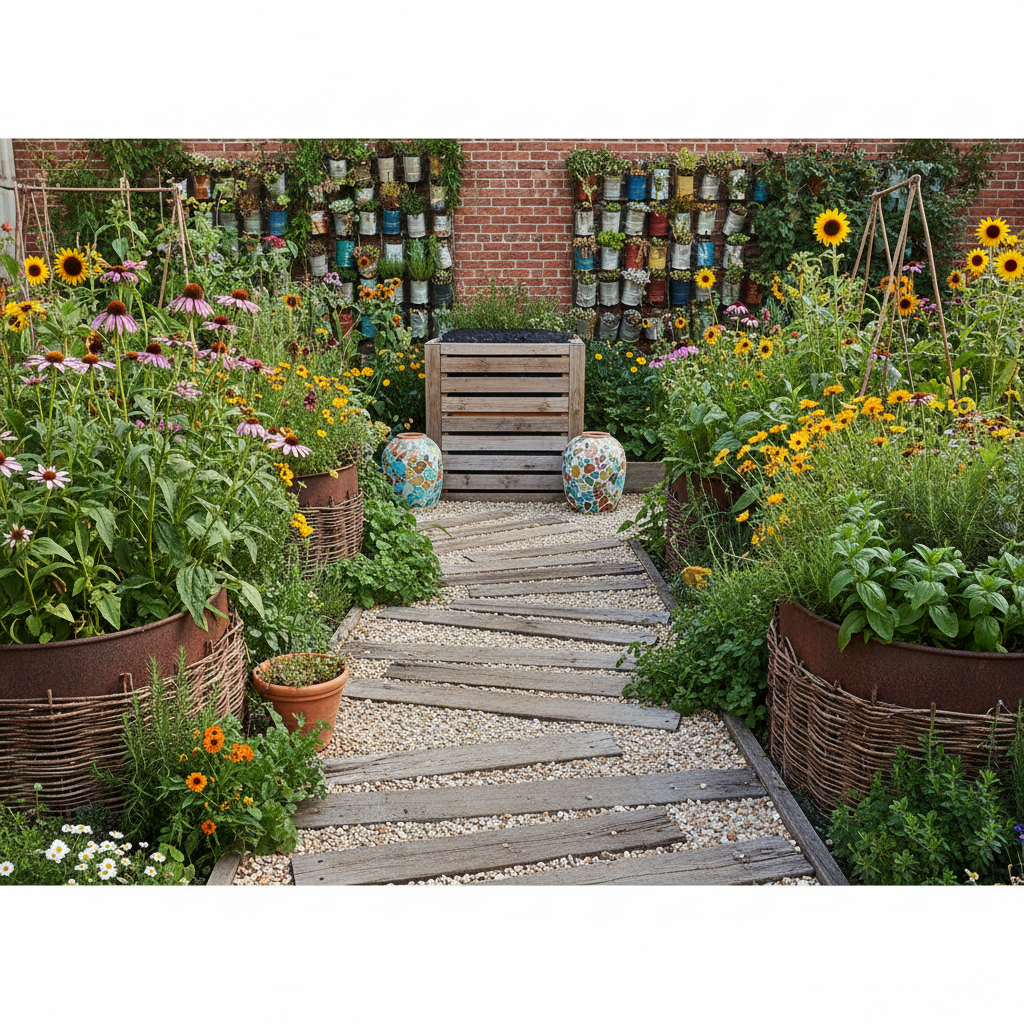
Leading ecological garden designer Tom Eaglestone, based in Bath, has shared his expertise on integrating preexisting and salvaged materials into garden design. His insights emphasize that while wilder, more naturalistic planting styles are increasingly popular, the success of such designs often hinges on well-executed hardscaping. Far from being a mere afterthought, hard landscaping – pathways, retaining walls, steps – provides the crucial framework that allows soft plantings to truly shine.
Eaglestone highlights that a talent for stonework and the thoughtful reuse of materials are becoming indispensable skills for contemporary garden designers. This isn't just about cost-saving; it's about embedding sustainability at the core of garden aesthetics. By using reclaimed bricks, old stone, or even broken concrete creatively, designers can achieve the 'crisp edges' and structural integrity needed to define a garden, signaling its intentionality and beauty amidst more organic elements. His perspective underscores a shift towards gardens that are not only beautiful but also deeply responsible and resource-efficient.
Why It Matters
For GreenNest Living readers, Eaglestone’s approach to reusing garden materials resonates deeply with our mission for sustainable living. In an era where consumption often outweighs conservation, looking to what already exists drastically reduces our environmental impact. Every salvaged brick or reused paving stone means less demand for new quarrying, manufacturing, and transportation, all of which contribute significantly to carbon emissions and habitat destruction. It's a tangible step towards a circular economy in our own backyards, minimizing waste and conserving precious natural resources.
Beyond the environmental benefits, incorporating reused materials imbues a garden with unparalleled character and a sense of history. New materials, while uniform, often lack the warmth and narrative that comes from elements with a past. A weathered stone wall or a pathway made from reclaimed pavers tells a story, adding depth and authenticity that perfectly complements naturalistic plantings. This blend of old and new, wild and refined, creates spaces that feel established, unique, and harmoniously connected to their surroundings, moving away from sterile, mass-produced aesthetics.
Furthermore, Eaglestone’s emphasis on hardscaping in conjunction with 'wilder planting' illustrates a crucial point in sustainable design: ecological gardens don't have to be unkempt or formless. Thoughtfully designed hardscaping, built from repurposed elements, provides structure and accessibility, making these natural spaces both beautiful and functional. It proves that sustainability doesn't mean sacrificing design integrity; rather, it elevates it by fostering ingenuity and respect for materials.
What You Can Do
- Assess Your Site: Before buying new, survey your existing garden or property for any materials that could be repurposed. Old bricks, broken concrete, discarded timber, or natural stones can often be given a new life.
- Source Locally & Sustainably: Check local salvage yards, demolition sites (with permission!), or online marketplaces for reclaimed materials like pavers, railway sleepers, or building stone. This reduces transportation emissions and supports local economies.
- Plan with Purpose: Integrate reclaimed materials into your garden design from the outset. Think about how they can form pathways, retaining walls, raised beds, or even sculptural elements that complement your chosen plant palette.
- Learn Basic Stonework or Consult Experts: While some DIY is possible, working with heavy, irregular materials can be challenging. Invest time in learning basic dry-stacking techniques or consult a skilled stonemason or ecological garden designer for larger, structural projects.
- Blend Old with New (Responsibly): Don't be afraid to mix reclaimed materials with new, ethically sourced options where necessary. The goal is to maximize reuse, not to achieve perfection.
- Prioritize Durability & Safety: Ensure any reused materials are structurally sound and safe for their intended purpose. Avoid materials that may leach harmful chemicals into the soil.
FAQs
Q: What types of materials are best for reusing in the garden?
A: Excellent options include natural stone (river rocks, old paving slabs), bricks, railway sleepers, broken concrete (crushed or used as rubble fill), glass bottles (for edgings or decorative features), and even old ceramic tiles or roofing slate.
Q: Is it more difficult to work with reclaimed materials than new ones?
A: Yes, reclaimed materials can be more challenging due to their irregular shapes, varying sizes, and potential need for cleaning or preparation. However, these inconsistencies also contribute to their unique charm and character, making the extra effort worthwhile.
Q: How do reused materials affect the overall aesthetic of a garden?
A: Reused materials instantly add a sense of history, texture, and authenticity. They can create a 'lived-in' or rustic feel, ground wilder plantings, and help a garden blend more seamlessly into its natural or historic surroundings, giving it a unique personality that new, uniform materials often cannot achieve.
Sources
This article is based on reporting by Gardenista.
Original source
Gardenista
Author, Digital Entrepreneur & AI Creator
More from Garden & Plants
- LA Oasis: Modern Spanish Colonial Design for Sustainable Living — May 13, 2026
- Flowering Shrubs: The Underrated Backbone of Your Eco-Garden — May 11, 2026
- Native Wisteria: Blooming Beauty, Boosting Biodiversity — May 10, 2026
- Embracing the Subtle Beauty of Shade Gardens — May 9, 2026
- Ground Covers: The Low-Maintenance Path to a Greener Yard — May 8, 2026