Electric Breakthrough: Saving Sharks from Fishing Bycatch
Key Takeaways
- Over 100 shark species face extinction due to accidental fishing bycatch.
- Scientists developed a low-cost electric field device to deter sharks from hooks.
- The device uses readily available materials: zinc and graphite.
- Initial Florida trials confirmed its effectiveness in keeping sharks away.
- This breakthrough promises to significantly reduce shark bycatch globally.
The Silent Savior: Electric Fields to Halt Shark Bycatch
The silent crisis of shark bycatch, where these crucial marine predators are accidentally caught and killed, pushes over a hundred species closer to extinction each year. But now, a groundbreaking and surprisingly simple innovation offers a beacon of hope, promising to transform fishing practices and safeguard our oceans' delicate balance right now.
TL;DR: Key Facts
- Over 100 shark species are threatened with extinction, largely due to unintentional catch (bycatch).
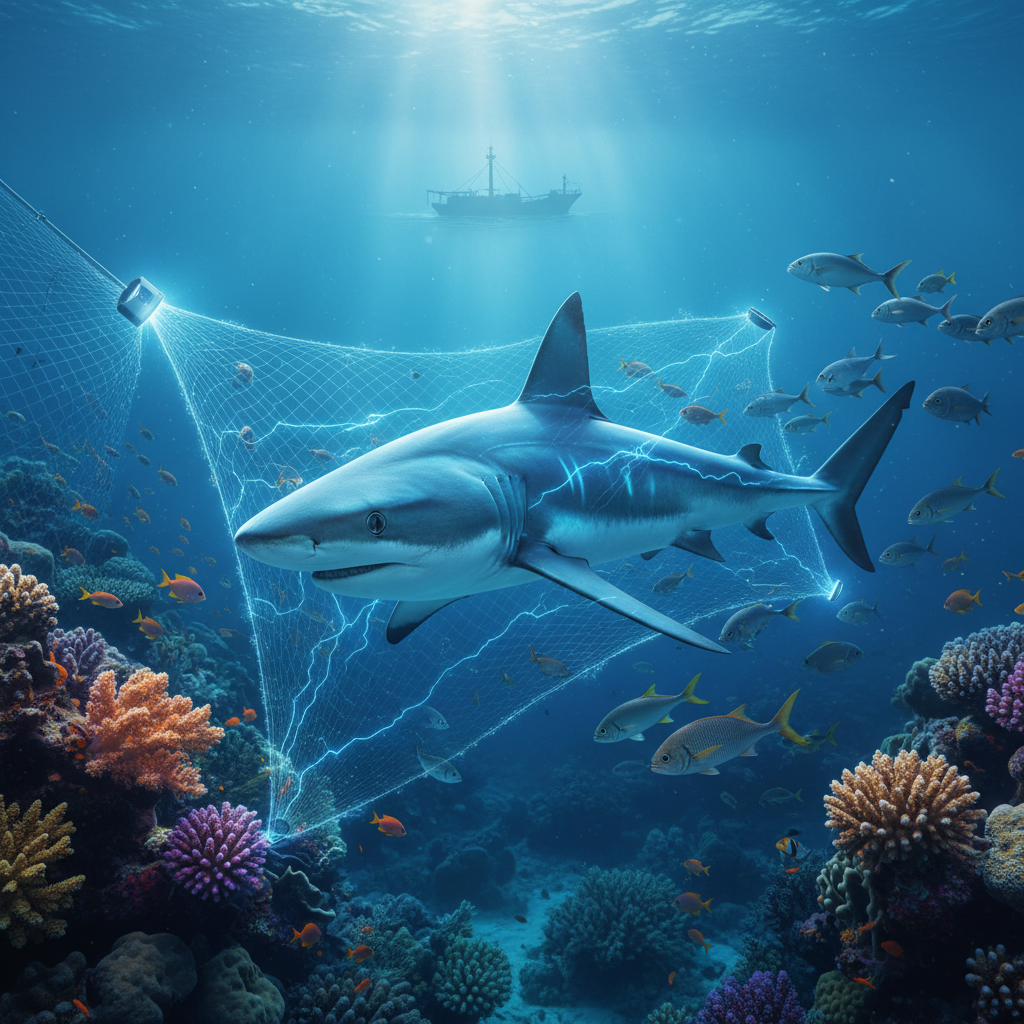
- Scientists have developed a cheap method to deter sharks using small electric fields around fishing hooks.
- The system uses readily available and inexpensive materials: zinc and graphite.
- Initial studies in Florida coastal waters show this approach effectively keeps many sharks away.
- This innovation holds significant potential to drastically reduce shark bycatch globally.
What Happened
In a significant development for marine conservation, scientists have engineered a novel and cost-effective solution to combat the pervasive issue of shark bycatch. Unintentional capture by fishing gear is a primary driver behind the decline of more than a hundred shark species, pushing many towards the brink of extinction. The new research demonstrates that a simple electric field, strategically generated around fishing hooks, can be remarkably effective in deterring these ocean predators.
The beauty of this invention lies in its simplicity and affordability. The electric field generators are constructed using common, inexpensive materials: zinc and graphite. These elements are configured to create a localized electrical pulse or field that is sufficient to repel sharks without harming them. Early trials conducted in the coastal waters off Florida have yielded promising results, indicating that this method successfully keeps a substantial number of sharks away from baited hooks, thus preventing their accidental capture.
Why It Matters
This scientific breakthrough is not just a clever engineering trick; it represents a critical turning point for global marine conservation, aligning perfectly with the core mission of Wildlife & Nature News. Sharks are apex predators, vital to the health and stability of marine ecosystems. They help regulate fish populations, remove the weak and diseased, and even influence the distribution of other species. Their decline has cascading effects that can destabilize entire ocean food webs, impacting everything from coral reefs to commercial fisheries.
The economic accessibility of this technology is also paramount. Traditional bycatch reduction devices can often be costly or complex, posing barriers to adoption by small-scale fishers in developing nations, where much of the world's fishing occurs. By utilizing cheap and readily available materials like zinc and graphite, this innovation democratizes conservation, making it a viable option for a broader spectrum of the global fishing fleet. This means a solution that is not only effective for wildlife but also practical for livelihoods.
Furthermore, this development underscores the power of innovation in addressing pressing environmental challenges. It moves beyond incremental changes, offering a truly disruptive technology that could significantly reduce a leading cause of shark mortality. Its potential to scale globally, protecting numerous shark species and fostering healthier oceans, cannot be overstated. It demonstrates that with creative thinking and scientific rigor, we can find sustainable solutions that benefit both nature and human communities.
What You Can Do
- Choose Sustainable Seafood: Look for seafood certified by organizations like the Marine Stewardship Council (MSC) or use guides like Monterey Bay Aquarium's Seafood Watch to ensure your choices don't contribute to unsustainable fishing practices and bycatch.
- Support Policy Advocacy: Advocate for national and international policies that mandate or incentivize the adoption of bycatch reduction technologies like the electric deterrent. Contact your elected officials to express your support.
- Support Research & Innovation: Donate to or volunteer with organizations that fund and conduct research into sustainable fishing methods and marine conservation, helping bring more solutions like this to fruition.
- Educate Others: Share this news with friends, family, and your social networks. Raising awareness about the importance of sharks and effective conservation solutions can inspire broader action.
- Engage with Fishermen's Associations: If you're a consumer, inquire with your local fishmongers or restaurants about their sourcing and encourage them to support fishers who implement bycatch reduction strategies.
- Reduce Your Carbon Footprint: A healthy ocean is a resilient ocean. By reducing your overall environmental impact, you contribute to a stronger marine ecosystem better able to cope with existing pressures.
FAQs
Q: How does the electric field deter sharks without harming them?
A: Sharks possess highly sensitive electroreceptors (ampullae of Lorenzini) that allow them to detect the weak bioelectric fields produced by prey. The small electric field generated by the zinc and graphite device is believed to overstimulate these receptors, causing discomfort or disorientation, which effectively repels them without causing injury.
Q: Can this technology be applied to deter other marine species from bycatch?
A: While this specific research focuses on sharks due to their unique electroreception, the principle of using targeted deterrents could be adapted for other species. However, different animals have different sensory capabilities, so specific research and development would be needed to create effective deterrents for other bycatch species like sea turtles or marine mammals.
Q: Is this electric deterrent effective against all shark species?
A: The study indicates it's effective for “many” sharks. The sensitivity to electric fields can vary among species. Further research and broader testing would be needed to determine its efficacy across the wide diversity of shark species and in different oceanic environments.
Sources
This article is based on reporting by Mongabay.
Original source
Mongabay
Author, Digital Entrepreneur & AI Creator
More from Wildlife & Nature News
- The Silent Drain: Sand Scarcity Threatens Global Ecosystems — May 13, 2026
- Celestial Glimpse: Earth's Glow, Our Lost Night Skies — May 11, 2026
- Google's UK Datacentre Emissions Understated by Factor of Five — May 10, 2026
- Cosmic Beacon: Earth's Glow Inspires Global Stewardship — May 9, 2026
- Amazon Tipping Point: Deforestation, Warming Threaten Rainforest by 2040s — May 8, 2026