Endangered Rice's Whale Loses US Protection: A Conservation Crisis
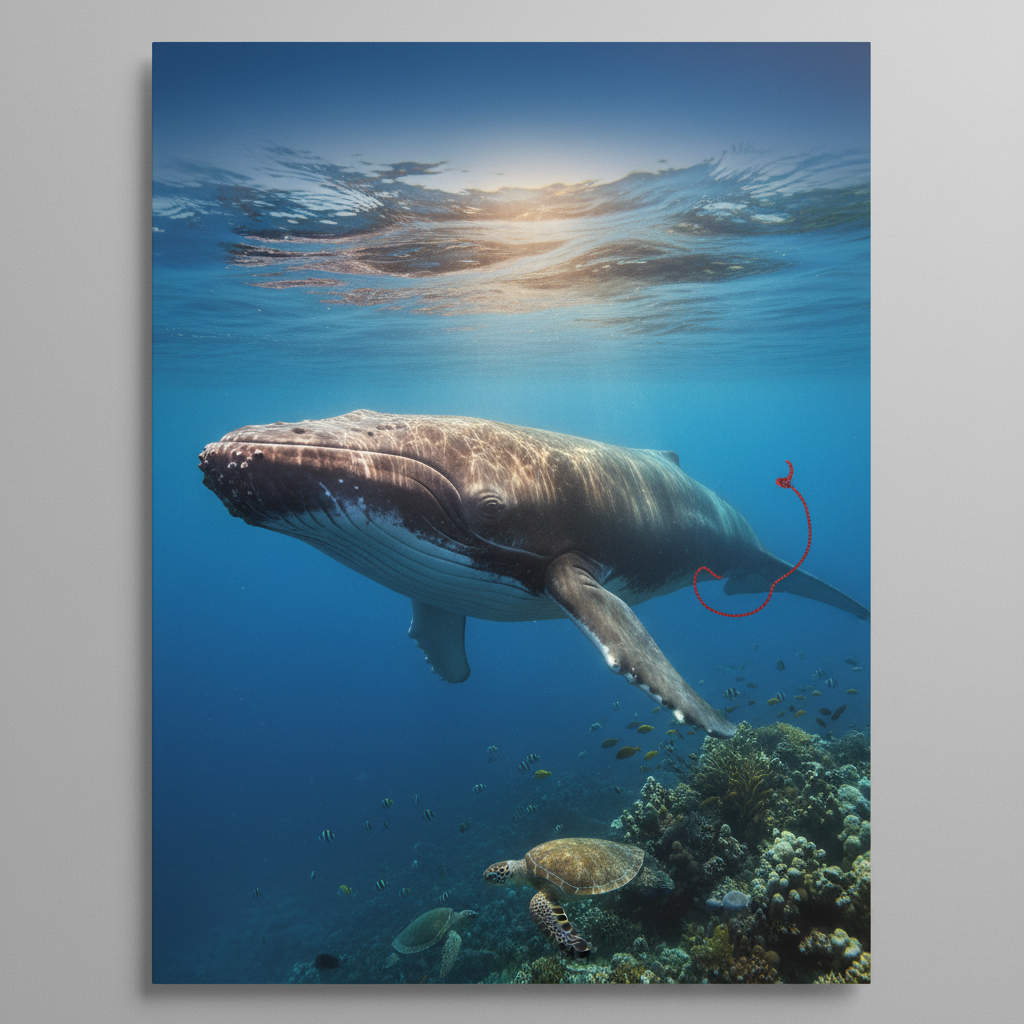
Key Takeaways
- US government removed legal protections for the Rice's whale.
- The Rice's whale is one of the world's rarest, found only in the Gulf of Mexico.
- The decision significantly increases threats to this critically endangered species.
- Conservationists warn of negative impacts on marine biodiversity and ecosystem health.
- The policy raises concerns about the balance between economic interests and environmental protection.
In a move that has sent ripples of concern through the global conservation community, the United States government has controversially stripped legal protections from the Rice's whale, one of the planet's rarest and most vulnerable marine mammals. This decision is not just a policy shift; it represents a significant setback for biodiversity and marine conservation efforts, demanding our immediate attention and informed action.
TL;DR: Key Facts
- The US government has officially removed legal protections for the Rice's whale.
- The Rice's whale is an extremely rare species, endemic to the Gulf of Mexico.
- This decision makes the critically endangered whale even more vulnerable to threats.
- Conservationists warn of severe consequences for marine biodiversity.
What Happened
According to reporting from The Animal Reader, the United States government has made the significant decision to remove legal protections for the Rice's whale. This particular whale species is not just rare; it is considered one of the rarest whale species on Earth, residing exclusively in the sensitive ecosystems of the Gulf of Mexico.
The implications of this policy change are profound. Legal protections typically impose restrictions on human activities that could harm endangered species, such as offshore oil and gas exploration, shipping routes, and commercial fishing practices. By removing these safeguards, the US government effectively increases the exposure of the Rice's whale to the very threats that have pushed it to the brink of extinction, thereby undermining years of dedicated conservation efforts aimed at its survival.
Why It Matters
For readers of GreenNest Living, this news should resonate deeply, extending far beyond the fate of a single species. The decision to remove protections for the Rice's whale in the Gulf of Mexico is a stark illustration of how policy choices can directly impact the health of our planet and the survival of its most vulnerable inhabitants. It signals a worrying trend where short-term economic interests may be prioritized over long-term ecological stability and the moral imperative to protect biodiversity.
The Rice's whale, also known as the Gulf of Mexico whale, is not merely an isolated creature; it is a critical indicator of the health of an entire marine ecosystem. As a top predator, its survival is intricately linked to the balance of the Gulf's food web. Its continued decline, accelerated by a lack of protection, could trigger a cascade of ecological disruptions, affecting everything from plankton populations to fish stocks, which in turn impacts human livelihoods and coastal economies. This move sets a dangerous precedent, potentially signaling that other endangered species could also face weakened protections, challenging the foundational principles of environmental legislation and stewardship.
Furthermore, this decision undermines the global effort to combat biodiversity loss, a crisis that rivals climate change in its urgency. When a nation as influential as the United States rolls back protections for a critically endangered species, it sends a troubling message about the value placed on natural heritage and the commitment to sustainable practices. It is a moment that calls for introspection, demanding that we question the true costs of such policies and advocate for a future where wildlife and ecosystems are not just preserved, but allowed to thrive.
What You Can Do
- Educate Yourself and Others: Learn more about the Rice's whale, its unique habitat, and the threats it faces. Share this information with friends, family, and on social media to raise awareness about this critical issue.
- Support Conservation Organizations: Donate to or volunteer with reputable marine conservation groups actively working to protect whales and their habitats in the Gulf of Mexico, such as Oceana, the Natural Resources Defense Council (NRDC), or local environmental advocacy groups.
- Contact Your Elected Officials: Reach out to your representatives at federal and state levels. Express your concern about the removal of protections for the Rice's whale and advocate for stronger, science-based conservation policies.
- Make Sustainable Consumer Choices: Support businesses that demonstrate a genuine commitment to environmental protection and ocean-friendly practices. Reduce your plastic consumption, especially single-use plastics, which frequently end up in marine environments.
- Advocate for Stronger Environmental Laws: Join campaigns pushing for robust environmental legislation that prioritizes biodiversity conservation and holds industries accountable for their ecological footprint.
- Participate in Citizen Science: If you live near coastal areas or plan to visit, consider participating in citizen science projects that monitor marine life or contribute to data collection efforts for conservation.
FAQs
Q: What is the Rice's whale?
A: The Rice's whale (Balaenoptera ricei), also known as the Gulf of Mexico whale, is a critically endangered baleen whale species, recently identified as distinct from the Bryde's whale. It is endemic to the northern Gulf of Mexico, meaning it is found nowhere else on Earth.
Q: Why were its protections removed?
A: The specific rationale for the US government's decision to remove these legal protections is often complex and can involve a balancing act between conservation goals and various economic interests, such as those related to offshore oil and gas, shipping, or fishing industries in the Gulf of Mexico. The provided source indicates the removal has occurred without detailing the specific governmental justification.
Q: What are the main threats to the Rice's whale?
A: The primary threats to the Rice's whale include vessel strikes, entanglement in fishing gear, and noise pollution from shipping and seismic surveys. Its habitat is also significantly impacted by oil spills and ongoing offshore energy development in the Gulf of Mexico.
Sources
This article is based on reporting by The Animal Reader.
Original source
The Animal Reader
Author, Digital Entrepreneur & AI Creator
More from Wildlife & Nature News
- The Silent Drain: Sand Scarcity Threatens Global Ecosystems — May 13, 2026
- Celestial Glimpse: Earth's Glow, Our Lost Night Skies — May 11, 2026
- Google's UK Datacentre Emissions Understated by Factor of Five — May 10, 2026
- Cosmic Beacon: Earth's Glow Inspires Global Stewardship — May 9, 2026
- Amazon Tipping Point: Deforestation, Warming Threaten Rainforest by 2040s — May 8, 2026