Endangered Right Whales At Risk: Regulator's Policy Shift Sparks Outcry
Key Takeaways
- U.S. ocean regulator (NOAA Fisheries) proposes changes to North Atlantic right whale protection rules.
- Environmental groups criticize these changes as "industry-friendly" and a threat to the endangered species.
- The rules primarily involve vessel speed restrictions to prevent collisions with whales.
- A recent whale death underscores the species' ongoing vulnerability and the need for strong protections.
- Critics fear the proposed changes could accelerate the decline of the critically endangered right whale population.
The fragile recovery of the critically endangered North Atlantic right whale is hanging in the balance as the U.S. ocean regulator moves to implement changes to vital protection rules. This controversial shift has ignited widespread alarm among conservationists, who warn that prioritizing industry interests could spell disaster for a species already teetering on the brink of extinction.
TL;DR: Key Facts
- The U.S. ocean regulator, NOAA Fisheries, plans to modify rules protecting North Atlantic right whales.
- Environmental groups are vehemently criticizing these proposed changes, calling them "industry-friendly."
- The species is critically endangered, with recent deaths highlighting ongoing threats like vessel strikes.
- Current rules aim to reduce vessel speeds in specific areas to prevent collisions.
- The proposed changes are seen by critics as weakening protections, risking increased whale mortality.
What Happened
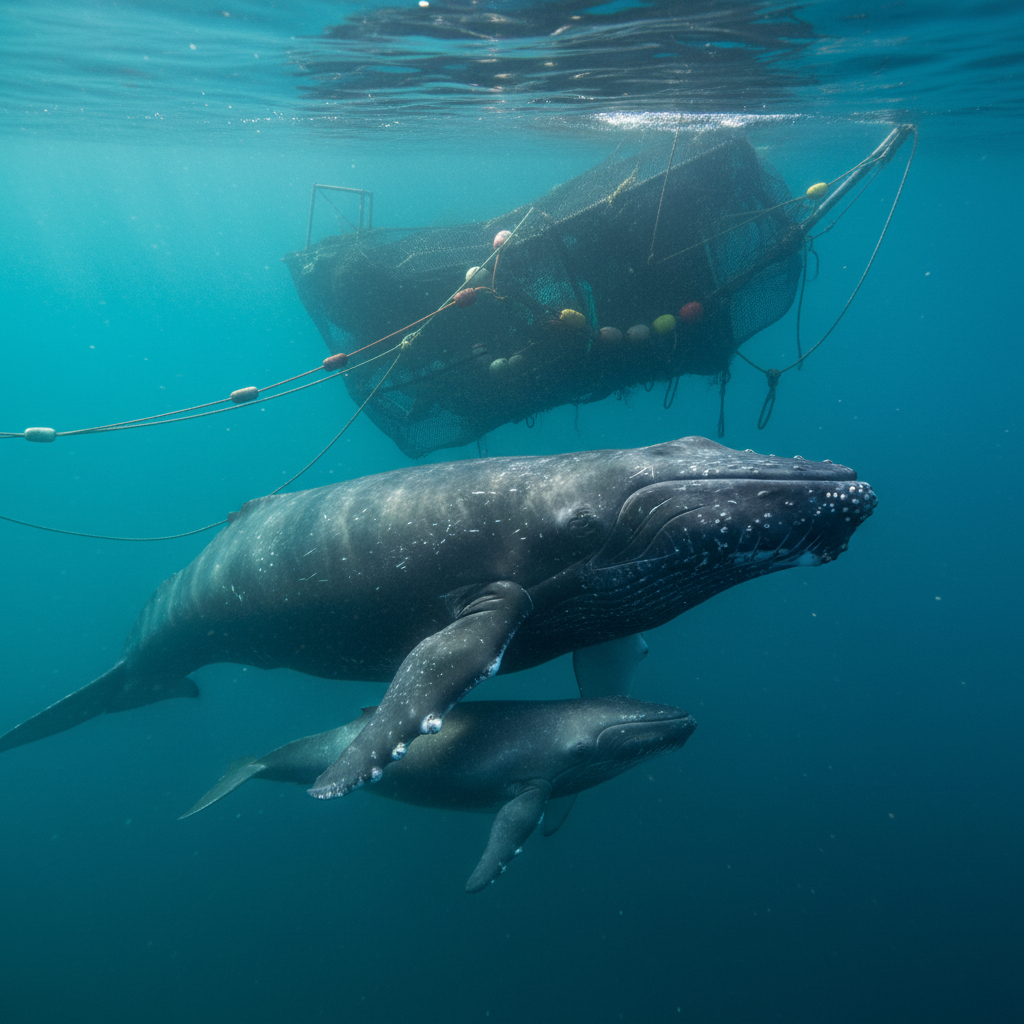
The U.S. ocean regulator, NOAA Fisheries, has announced intentions to implement modifications to long-standing regulations designed to safeguard the critically endangered North Atlantic right whale. These rules, essential for the species' survival, primarily involve enforcing slower vessel speeds in designated areas along the East Coast to minimize fatal collisions with ships. This existing framework, established to create safe zones for these slow-moving giants, has been a cornerstone of efforts to prevent their extinction. However, the proposed alterations have been met with immediate and strong opposition from various environmental organizations, which contend that the changes are primarily beneficial to industry at the expense of robust whale protection.
Critics, including prominent groups like the National Resources Defense Council and Oceana, point to the recent death of an endangered whale as stark evidence of the ongoing threats these marine mammals face, underscoring the urgency of maintaining or strengthening, rather than weakening, existing protections. With an estimated population of only around 360 individuals, the North Atlantic right whale is one of the most endangered large whale species in the world, making every loss a significant blow to the species' future. The core of the environmental groups' concern lies in the perception that NOAA Fisheries is bowing to pressure from shipping and fishing industries to ease restrictions, potentially rolling back years of hard-won conservation progress. This proposed regulatory shift signals a potential departure from strict conservation efforts, fueling fears of an accelerated decline for this iconic whale and raising serious questions about the agency's commitment to its mandate of protecting marine life.
Why It Matters
For GreenNest Living readers, this isn't merely news about a distant whale; it's a stark and immediate reminder of the delicate, often contentious, balance between human economic activity and the imperative of ecological preservation. The North Atlantic right whale is an emblematic species, an apex predator whose health is intrinsically linked to the vitality of our entire ocean ecosystem. Their continued decline signals broader environmental degradation and highlights the immense, often unseen, pressure human activities place on marine life, from shipping traffic to noise pollution and climate change impacts. This situation underscores the critical importance of robust environmental policy and the constant vigilance required to ensure protections for vulnerable species are not eroded for short-term economic gains. The decisions made today regarding these whales set precedents for how we value and manage all our natural resources.
This unfolding story also powerfully demonstrates the power dynamics at play in environmental governance. When regulators like NOAA Fisheries face intense lobbying pressure from industries seeking to minimize operational costs, it often falls to dedicated environmental advocates and an informed public to stand as vigilant guardians of wildlife. The criticism leveled against NOAA Fisheries isn't just about specific rules; it's about upholding the fundamental principle that the protection of critically endangered species, particularly those already teetering on the brink of extinction, must take precedence. This case becomes a crucial litmus test for our collective commitment to biodiversity, ethical stewardship of our shared planet, and the long-term health of the marine environment we rely upon for countless services, from climate regulation to food security. The fate of the right whale is a bellwether for the health of our oceans, and by extension, our own future.
What You Can Do
- Stay Informed: Follow reputable environmental news sources and conservation groups like the National Resources Defense Council (NRDC) or Oceana for updates on right whale protection efforts.
- Support Conservation Organizations: Donate to or volunteer with organizations actively working to protect marine mammals and advocate for stronger environmental policies.
- Contact Your Representatives: Reach out to your local, state, and federal elected officials to express your concern about the proposed rule changes and advocate for robust right whale protections.
- Choose Sustainable Seafood: Support fisheries that use responsible practices and avoid those that contribute to bycatch or habitat destruction, indirectly benefiting marine ecosystems.
- Reduce Your Carbon Footprint: Climate change impacts ocean health, including ocean noise and food availability for whales. Adopt practices that reduce your energy consumption and emissions.
- Spread Awareness: Share information about the plight of the North Atlantic right whale and the importance of conservation with your friends, family, and social networks.
FAQs
Q: What makes the North Atlantic right whale so vulnerable?
Answer: Their slow reproductive rate, tendency to feed and migrate in busy shipping lanes, and a history of whaling have severely depleted their numbers. Vessel strikes and entanglement in fishing gear are currently their biggest threats.
Q: What are the current rules for protecting these whales?
Answer: Existing rules often involve seasonal speed restrictions for vessels over a certain length in areas where right whales are known to congregate, particularly along the East Coast of the U.S.
Q: How does this issue relate to sustainable living?
Answer: The struggle to protect the North Atlantic right whale highlights the broader challenge of sustainable living – balancing human needs and economic activities with the imperative to protect biodiversity and maintain healthy ecosystems for future generations.
Sources
This article is based on reporting by Mongabay.
Original source
Mongabay
Author, Digital Entrepreneur & AI Creator
More from Wildlife & Nature News
- The Silent Drain: Sand Scarcity Threatens Global Ecosystems — May 13, 2026
- Celestial Glimpse: Earth's Glow, Our Lost Night Skies — May 11, 2026
- Google's UK Datacentre Emissions Understated by Factor of Five — May 10, 2026
- Cosmic Beacon: Earth's Glow Inspires Global Stewardship — May 9, 2026
- Amazon Tipping Point: Deforestation, Warming Threaten Rainforest by 2040s — May 8, 2026