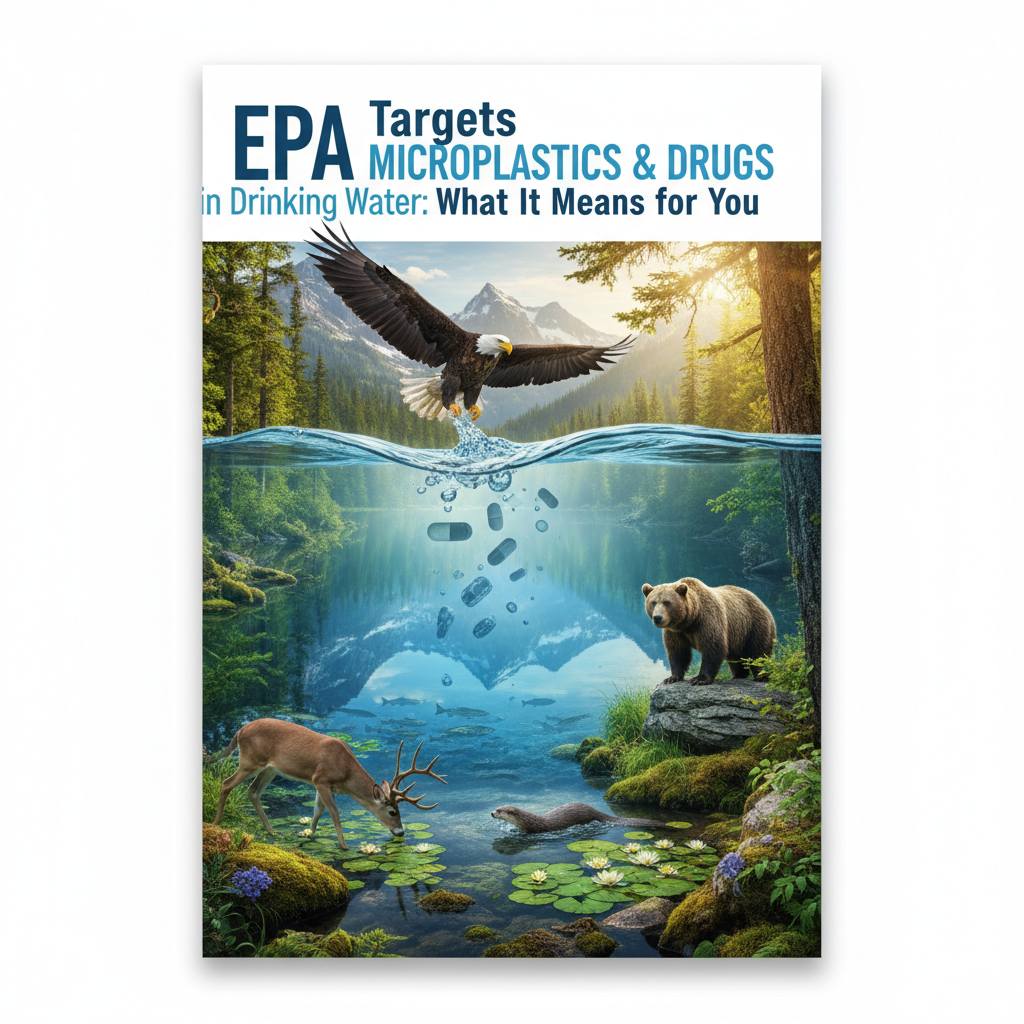
EPA Targets Microplastics & Drugs in Drinking Water: What It Means for You
Key Takeaways
- EPA proposes designating microplastics as drinking water contaminants.
- EPA also proposes designating pharmaceuticals as drinking water contaminants.
- This marks a critical 'first step' in national policy against pervasive water pollution.
- The move is a victory for advocates combating plastic and chemical contamination.
- It signifies growing recognition of emerging threats to public and environmental health.
OPENING PARAGRAPH
Our drinking water, a fundamental necessity for life, is increasingly under scrutiny as emerging pollutants threaten its purity. In a pivotal move, the U.S. Environmental Protection Agency (EPA) has initiated a process that could redefine what 'clean' water means for millions, signaling a critical shift in how we address pervasive environmental contamination.
TL;DR: Key Facts
- EPA proposes to list microplastics as contaminants in drinking water.
- EPA also proposes to list pharmaceuticals as contaminants in drinking water.
- This is described as a 'first step' in addressing these pollutants.
- The move is seen as a significant win by environmental advocates against plastic pollution.
- It could lead to future monitoring and regulation of these substances.
What Happened
On Thursday, the Environmental Protection Agency (EPA) announced a significant proposal to include two new categories of substances on its list of drinking water contaminants: microplastics and pharmaceuticals. This action marks the first time these pervasive pollutants have been officially targeted for designation in drinking water by the agency.
Advocates have hailed this development as a crucial initial step in confronting the escalating global crisis of plastic pollution and the widespread presence of medicinal residues in our water systems. While specific regulatory standards or monitoring requirements are not yet established, the proposal itself signifies a growing recognition by a major governmental body of the potential health and environmental risks posed by these contaminants. The move also reportedly comes as a win for RFK Jr’s Maha movement, highlighting the broader political and public pressure driving such environmental initiatives.
Why It Matters
For readers of GreenNest Living, this EPA proposal is profoundly important, resonating directly with the core tenets of wildlife protection and natural ecosystem health. Microplastics, tiny fragments of plastic less than 5mm in length, are ubiquitous in our environment, from the deepest oceans to remote mountain ranges. Their presence in drinking water means they have fully infiltrated the hydrological cycle, posing an unprecedented threat to wildlife. Marine animals ingest these particles, leading to internal injuries, blockages, and starvation, while also leaching chemicals into their systems. When these plastics enter our bodies through water, the long-term health consequences for humans are still being researched, but the potential for physical harm and chemical exposure is a grave concern.
Similarly, pharmaceuticals entering our water systems, often through improper disposal or human excretion, can have devastating effects on aquatic ecosystems. Hormones and other medications can disrupt the endocrine systems of fish and other wildlife, altering their reproductive capabilities, behavior, and even survival rates. The EPA’s designation acknowledges that these human-derived chemicals are not just minor pollutants but significant environmental disruptors that demand immediate attention. This initiative is a vital recognition that our daily habits – from plastic consumption to medication disposal – have far-reaching impacts on the natural world and, ultimately, on our own well-being. It underscores the interconnectedness of human activity, environmental health, and the urgent need for a more sustainable approach to consumption and waste management.
What You Can Do
- Reduce Single-Use Plastics: Choose reusable bags, bottles, coffee cups, and food containers to significantly cut down on plastic waste that can break down into microplastics.
- Dispose of Medications Properly: Never flush unused or expired pharmaceuticals down the toilet or throw them in the trash. Check with your local pharmacy or waste management facility for safe disposal programs.
- Support Advocacy and Policy: Engage with environmental organizations working on plastic pollution and water quality. Advocate for stronger regulations and infrastructure improvements at local and national levels.
- Consider Home Water Filtration: Research and invest in water filters that specifically target microplastics and pharmaceutical residues, if available and necessary for your household. Be aware that not all filters are effective against all contaminants.
- Choose Sustainable Products: Opt for products with minimal plastic packaging and those made from natural, biodegradable materials. Support brands committed to environmental stewardship.
- Stay Informed and Educate Others: Keep abreast of new research and policy developments regarding water quality. Share knowledge with friends and family to foster a collective effort towards cleaner water.
FAQs
Q: What exactly are microplastics and why are they a concern?
A: Microplastics are tiny plastic particles, less than 5 millimeters in size, resulting from the breakdown of larger plastic items or originating from products like microbeads. They are a concern because they are pervasive in the environment, easily ingested by wildlife, and can carry toxins, posing potential health risks to both ecosystems and humans when present in drinking water.
Q: How do pharmaceuticals end up in our drinking water?
A: Pharmaceuticals enter water systems primarily through human waste (when excreted) and improper disposal (flushing old medications down the toilet or drain). Wastewater treatment plants are not always equipped to fully remove these complex compounds, allowing them to pass through and contaminate rivers, lakes, and eventually, drinking water sources.
Q: What does 'designate as contaminants' mean, and what comes next?
A: Designating a substance as a contaminant means the EPA officially recognizes it as a potential threat to public health in drinking water. This 'first step' typically leads to further research, monitoring requirements for water utilities, and potentially the establishment of maximum contaminant levels (MCLs) or health advisories, compelling water providers to treat for and remove these substances.
Sources
This article is based on reporting by The Guardian Environment.
Original source
The Guardian Environment
Author, Digital Entrepreneur & AI Creator
More from Wildlife & Nature News
- The Silent Drain: Sand Scarcity Threatens Global Ecosystems — May 13, 2026
- Celestial Glimpse: Earth's Glow, Our Lost Night Skies — May 11, 2026
- Google's UK Datacentre Emissions Understated by Factor of Five — May 10, 2026
- Cosmic Beacon: Earth's Glow Inspires Global Stewardship — May 9, 2026
- Amazon Tipping Point: Deforestation, Warming Threaten Rainforest by 2040s — May 8, 2026