Freshwater: Earth's Scarce Lifeline Faces Mounting Threats
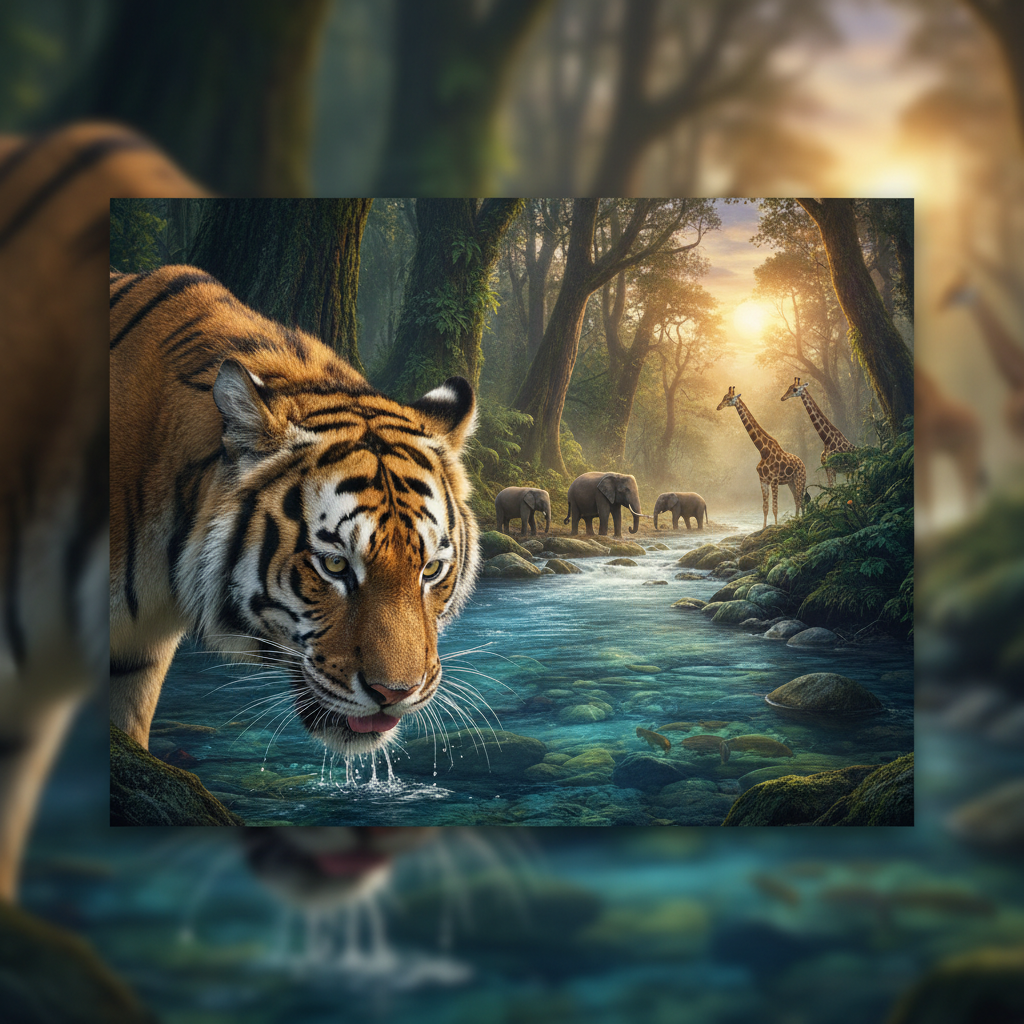
Today, as we reflect on the essential element of life, new insights remind us of both the incredible biodiversity freshwater ecosystems hold and the unprecedented dangers they face. This isn't just about a resource; it's about the very foundation of healthy ecosystems and human survival, underscoring an urgent call to action right now.
TL;DR: Key Facts
- Less than 3% of Earth's total water is freshwater, with most locked in glaciers and ice caps.
- Freshwater ecosystems are biodiversity hotspots, continually revealing new species.
- Contamination from pollutants, including industrial waste and agricultural runoff, severely degrades freshwater quality.
- Overuse by human activities, such as agriculture, industry, and domestic consumption, depletes vital freshwater supplies.
- These threats directly endanger aquatic organisms and the broader ecosystems that rely on healthy freshwater sources.
What Happened
Our planet, often called the "Blue Marble," is indeed covered mostly by water. However, a stark reality emerges upon closer inspection: less than 3% of this vast expanse is freshwater. Even more critically, the majority of this precious freshwater is contained within glaciers and ice caps, making it largely inaccessible for direct human and ecological use. This leaves a tiny fraction available to sustain all terrestrial and aquatic life, including ourselves.
Recent observations, highlighted around World Water Day, underscore a concerning dichotomy. On one hand, freshwater environments continue to astound scientists with the discovery of new species, reinforcing their status as incredibly rich biodiversity hubs. On the other hand, these vital systems are under immense pressure. Mounting threats, primarily from contamination and overuse, are pushing Earth's freshwater supplies to a critical point. Pollution, stemming from industrial discharges, agricultural runoff, and inadequate wastewater treatment, renders essential water sources unusable. Simultaneously, increasing demand from a growing global population for agriculture, industry, and domestic consumption leads to the rapid depletion of aquifers and rivers. These combined pressures jeopardize not only human access to safe drinking water but, perhaps most acutely, the survival of countless aquatic organisms and the delicate balance of entire ecosystems.
Why It Matters
For readers of GreenNest Living, focused on sustainable lifestyles and environmental stewardship, the state of Earth's freshwater is not merely a scientific concern; it's a profound environmental crisis with direct implications for wildlife and nature. Freshwater ecosystems are disproportionately rich in biodiversity, supporting a vast array of species from microscopic invertebrates to large fish and amphibians. These 'new species' discoveries are exciting, but they also serve as a stark reminder of how much we stand to lose before we even know it exists. The contamination and overuse of freshwater directly translate to habitat destruction and species extinction for these aquatic organisms, disrupting food webs and ecological services that extend far beyond the water's edge.
The health of our freshwater systems is intricately linked to the overall well-being of the natural world. Rivers, lakes, and wetlands act as vital arteries, connecting landscapes and supporting terrestrial wildlife that relies on them for hydration, food, and breeding grounds. When these systems are polluted or depleted, it doesn't just impact fish; it affects birds that feed on aquatic insects, mammals that drink from riverbanks, and the very flora that stabilizes riparian zones. This cascading effect highlights why freshwater is a cornerstone of "Wildlife & Nature News" – its degradation is a direct assault on the planet's intricate web of life.
Ultimately, the crisis of freshwater scarcity and pollution is a bellwether for global environmental health. It reflects unsustainable consumption patterns, inadequate infrastructure, and a disconnect from the natural cycles that sustain us. Protecting freshwater isn't just about ensuring we have enough to drink; it's about preserving the natural heritage of our planet, supporting resilient ecosystems, and acknowledging our deep interdependence with the living world. Ignoring this crisis imperils not just individual species, but the very stability of our climate and the long-term viability of sustainable living on Earth.
What You Can Do
Here’s an actionable checklist to help protect our precious freshwater resources:
- Conserve Water at Home: Practice conscious water use by taking shorter showers, fixing leaky faucets, and running dishwashers and washing machines only when full.
- Support Sustainable Agriculture: Choose locally sourced and organic produce when possible, as conventional farming is a major contributor to water pollution and consumption.
- Mind Your Disposals: Never pour hazardous chemicals, medications, or non-biodegradable substances down drains or into toilets. Research proper disposal methods in your community.
- Advocate for Policy Change: Support organizations and policies that promote clean water initiatives, enforce stricter pollution controls, and invest in water-efficient infrastructure.
- Reduce Chemical Use: Opt for eco-friendly cleaning products and lawn care solutions to minimize chemical runoff into local waterways.
- Learn About Local Waterways: Understand where your drinking water comes from and where your wastewater goes. Participate in local clean-up efforts for rivers, lakes, and streams.
FAQs
Q: Why is freshwater so scarce, even though Earth is mostly water?
A: While Earth is covered by oceans, over 97% of this water is saltwater. Of the remaining less than 3% freshwater, most is trapped in glaciers, ice caps, and deep underground aquifers, leaving a very small fraction readily available in rivers, lakes, and shallow groundwater for human and ecosystem use.
Q: What are "aquatic organisms" and why are they particularly vulnerable?
A: Aquatic organisms are living things that depend on water for survival, including fish, amphibians, insects, plants, and microorganisms found in freshwater environments. They are particularly vulnerable because they are directly exposed to pollutants in their habitat and often cannot escape the effects of water depletion or contamination.
Q: How does climate change impact freshwater resources?
A: Climate change exacerbates freshwater issues by altering precipitation patterns, leading to more extreme droughts in some regions and intense floods in others. It also accelerates glacier melt, initially increasing water supply but eventually depleting long-term storage, and causes saltwater intrusion into coastal freshwater aquifers.
Sources
This article is based on reporting by Mongabay.
Original source
Mongabay
Author, Digital Entrepreneur & AI Creator
More from Wildlife & Nature News
- The Silent Drain: Sand Scarcity Threatens Global Ecosystems — May 13, 2026
- Celestial Glimpse: Earth's Glow, Our Lost Night Skies — May 11, 2026
- Google's UK Datacentre Emissions Understated by Factor of Five — May 10, 2026
- Cosmic Beacon: Earth's Glow Inspires Global Stewardship — May 9, 2026
- Amazon Tipping Point: Deforestation, Warming Threaten Rainforest by 2040s — May 8, 2026