From Overgrown to Oasis: Rewilding Your Front Yard
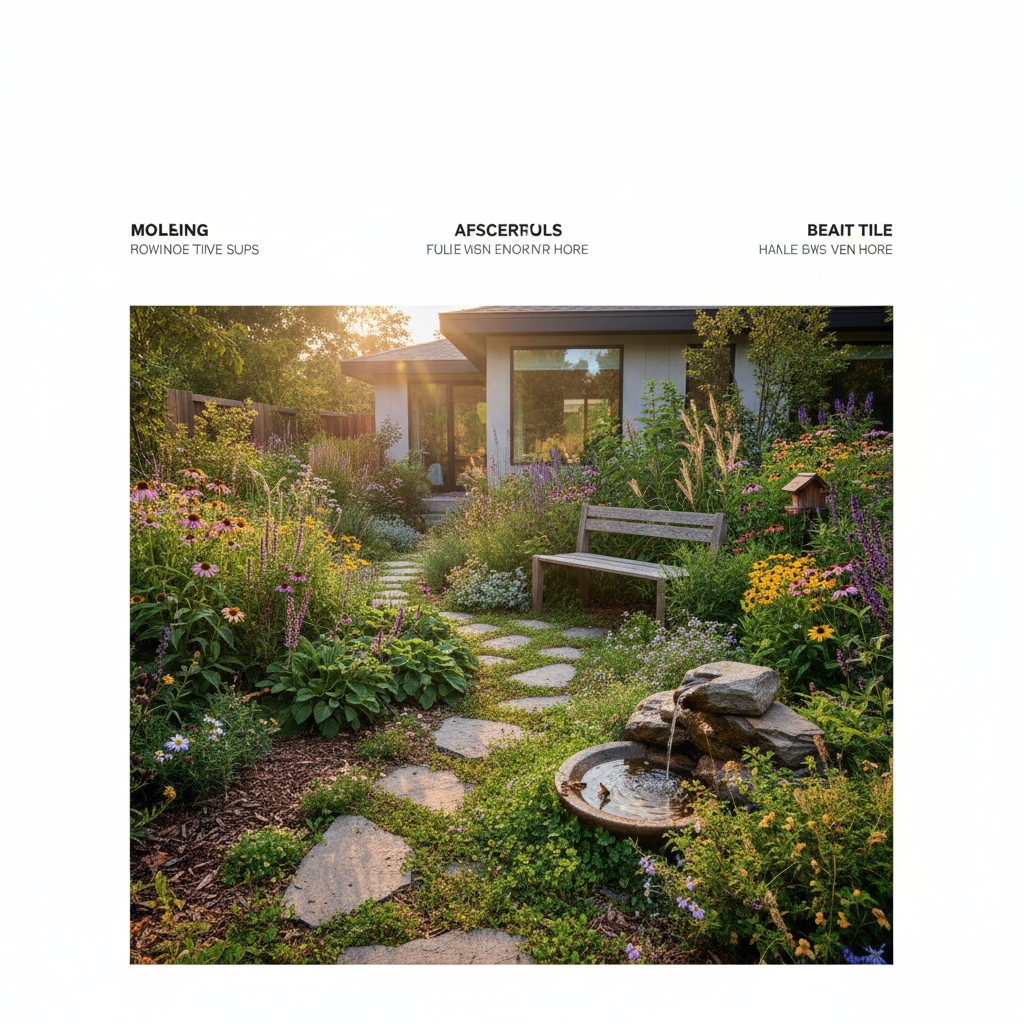
Key Takeaways
- One homeowner successfully rewilded a problematic Massachusetts front yard.
- The process involved replacing overgrown junipers that caused ice dams.
- The 'rewilded' area transformed into a natural 'field' from a formal design.
- The story offers valuable lessons for homeowners seeking sustainable, low-maintenance landscapes.
From Overgrown to Oasis: Rewilding Your Front Yard
Many of us inherit landscapes that are more burden than delight—overgrown, high-maintenance, and ecologically uninspired. But what if these challenging spaces held the potential for something truly transformative and sustainable? A recent story from Gardenista highlights a remarkable journey in Massachusetts, where a homeowner turned a problematic front yard into a vibrant, rewilded haven, offering crucial insights for anyone looking to embrace ecological gardening and bring nature closer to home.
This isn't just about cutting back; it's about reimagining our green spaces as dynamic ecosystems, reducing our environmental footprint, and fostering biodiversity. The lessons learned from this personal rewilding adventure resonate deeply with GreenNest Living's mission to inspire more sustainable and fulfilling ways of living with nature.
TL;DR: Key Facts
- A Massachusetts homeowner transformed a high-maintenance front yard.
- Massive, neglected junipers along a circular driveway caused issues like ice dams.
- The formal landscaping was replaced, resulting in a "rewilded" area resembling a field.
- The transformation offers practical lessons in ecological and low-maintenance gardening.
What Happened
The story originates from a homeowner in Massachusetts who acquired a property with a front yard far from their vision of a natural space. Initially, the landscape featured a formal design, dominated by massive junipers that lined a circular driveway. These junipers, likely an early attempt at formal landscaping, had been neglected over time, growing gargantuan and presenting significant challenges.
Beyond their sheer size and untamed growth, these overgrown evergreens were causing practical problems, specifically frequent ice dams on the northern-facing roof of the home. This common issue, often exacerbated by dense, close-to-structure plantings, highlighted the need for a significant overhaul. Instead of merely pruning or replacing with similar high-maintenance alternatives, the homeowner embarked on a journey that ultimately led to the creation of a "rewilded" front yard, transforming the formal, problematic space into what is now described as a flourishing "field."
Why It Matters
This personal journey of rewilding a front yard in Massachusetts offers far more than just aesthetic inspiration; it's a powerful blueprint for sustainable living. Many homeowners grapple with inherited landscapes that demand excessive time, water, and resources—often featuring non-native plants that offer little ecological benefit. The transformation from an overgrown, problematic juniper-lined driveway to a thriving "field" showcases a profound shift towards a more responsible and rewarding approach to gardening.
For GreenNest Living readers, this story underscores the immense potential within our own yards to contribute positively to the environment. By embracing rewilding, we can drastically reduce the need for constant trimming, chemical fertilizers, and excessive watering. More importantly, we can create vital habitats for local wildlife, support pollinator populations, and enhance biodiversity, turning our private spaces into miniature ecosystems. This isn't just about convenience; it's about making a tangible difference in the face of ecological challenges, proving that a little bit of nature, intentionally cultivated, can go a very long way.
Moreover, the specific mention of ice dams caused by the original landscaping highlights a practical lesson: thoughtful plant selection and placement are crucial not just for ecological health, but for the structural integrity and maintenance of our homes. Rewilding, when done strategically, can mitigate such issues by promoting healthier drainage and less intrusive plant growth. It invites us to rethink our relationship with our outdoor spaces, moving from a mindset of control and manicured perfection to one of collaboration and ecological stewardship.
What You Can Do
Inspired by the Massachusetts rewilding success? Here’s how you can start transforming your own garden into a sustainable haven:
- Evaluate Your Current Landscape: Walk through your yard and identify areas that are high-maintenance, require excessive resources (water, fertilizer), or are causing structural issues to your home. These are prime candidates for rewilding.
- Prioritize Native Plants: Research native plant species suitable for your local climate and soil conditions. Native plants are adapted to your environment, require less water and care, and provide essential food and habitat for local wildlife.
- Reduce Lawn Area Gradually: Large expanses of lawn are ecologically barren. Consider converting portions of your lawn into native plant beds, wildflower meadows, or even a small prairie section, as the Massachusetts homeowner did.
- Embrace "Messy" Gardening: Allow leaves to decompose in garden beds, leave spent plant stalks over winter, and create brush piles. These elements provide crucial shelter and food for insects, small mammals, and birds.
- Observe and Learn: After making changes, take time to observe how your garden evolves. Notice which plants thrive, what wildlife visits, and what natural processes unfold. This ongoing learning will guide your future rewilding efforts.
- Start Small, Think Big: You don't need to rewild your entire yard at once. Begin with a small section, like a problematic corner or a patch of lawn, and expand as you gain confidence and see positive results.
FAQs
Q: What exactly does 'rewilding' a garden mean?
A: Rewilding a garden involves allowing natural processes to take over, reducing human intervention, and introducing native species to create a self-sustaining ecosystem that supports local biodiversity.
Q: What are the main benefits of rewilding my yard?
A: Benefits include reduced maintenance, lower water consumption, increased biodiversity (attracting pollinators and wildlife), improved soil health, and a more resilient, naturally beautiful landscape.
Q: Can I rewild a small urban garden or balcony?
A: Absolutely! Even small spaces can be rewilded by focusing on native container plants, creating mini insect hotels, providing water sources for birds, and letting certain plants go to seed for wildlife.
Sources
This article is based on reporting by Gardenista.
Original source
Gardenista
Author, Digital Entrepreneur & AI Creator
More from Garden & Plants
- LA Oasis: Modern Spanish Colonial Design for Sustainable Living — May 13, 2026
- Flowering Shrubs: The Underrated Backbone of Your Eco-Garden — May 11, 2026
- Native Wisteria: Blooming Beauty, Boosting Biodiversity — May 10, 2026
- Embracing the Subtle Beauty of Shade Gardens — May 9, 2026
- Ground Covers: The Low-Maintenance Path to a Greener Yard — May 8, 2026