Future-Proof Your Garden: RHS Unveils UK Water Shortage Plans
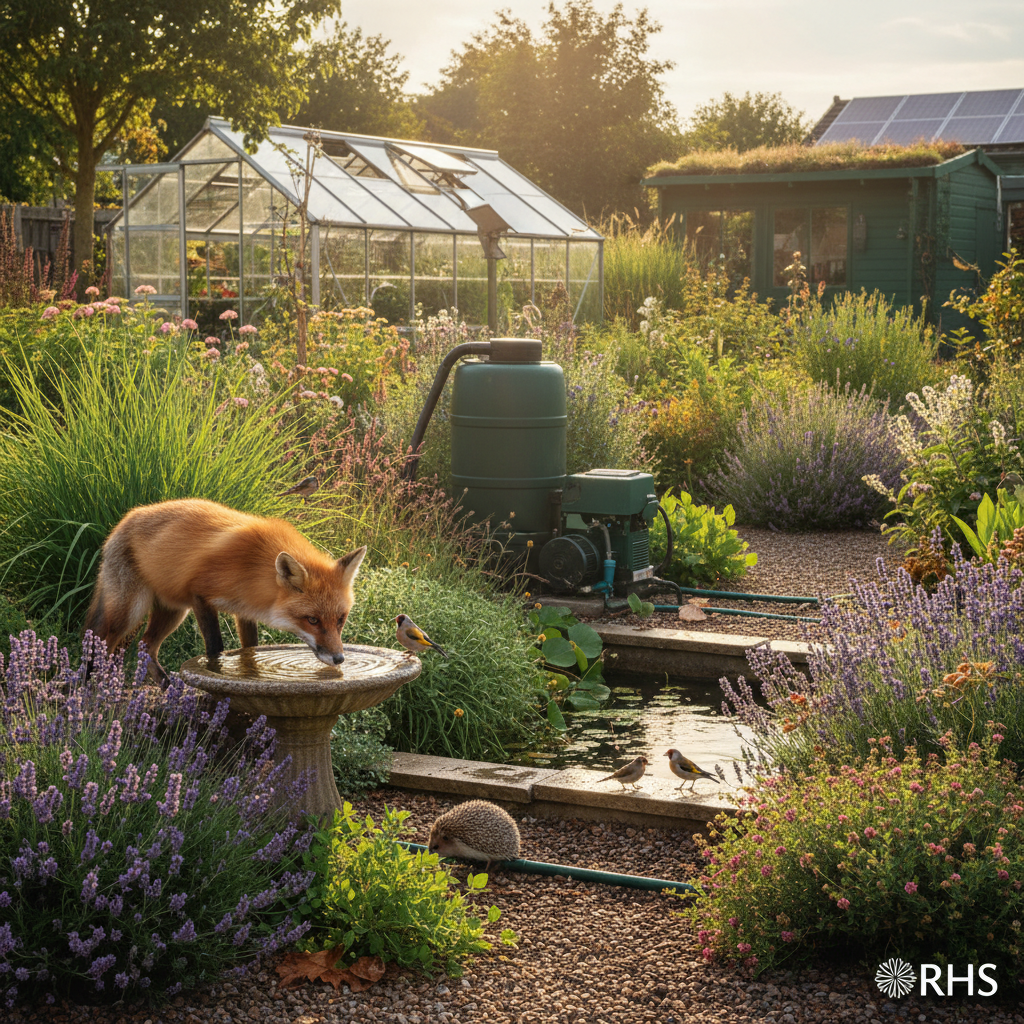
Key Takeaways
- RHS launches emergency plans for UK gardens to combat future water shortages.
- The strategy focuses on advanced water capture and storage solutions.
- Gardeners are urged to adopt water-wise practices as the 'new normal'.
- This initiative aims to build garden resilience against climate change impacts.
- Proactive water management is essential for sustaining garden ecosystems and wildlife.
The changing climate is transforming our relationship with nature, nowhere more evidently than in our own backyards. As unpredictable weather patterns, including prolonged droughts, become increasingly common, the future of our cherished green spaces hangs in the balance. Thankfully, a leading voice in horticulture, the Royal Horticultural Society (RHS), is stepping up, not just for its own renowned gardens, but to empower every UK gardener to adapt to this 'new normal' of water scarcity, ensuring our gardens remain vibrant havens for both people and wildlife.
TL;DR: Key Facts
- The Royal Horticultural Society (RHS) has launched emergency plans to protect UK gardens from future water shortages.
- These plans prioritise advanced water capture and storage techniques for horticultural resilience.
- RHS urges all UK gardeners to proactively adopt water-wise practices as part of a 'new normal'.
- The initiative aims to safeguard vital garden ecosystems amidst escalating climate change impacts.
- The charity's own renowned gardens will serve as models for water-efficient management.
What Happened
The Royal Horticultural Society (RHS), a pivotal environmental charity known for its five renowned gardens across the UK, has publicly revealed comprehensive emergency plans designed to bolster its properties against anticipated severe water shortages. This proactive step comes in response to escalating concerns about climate change and its direct impact on water availability, which is already causing significant stress on garden ecosystems nationwide. The RHS’s move is a strategic acknowledgement that past watering practices are unsustainable in the face of increasingly frequent and intense dry spells.
Central to the RHS strategy is a robust emphasis on innovative water capture and sophisticated storage solutions. This involves implementing systems to collect rainwater more efficiently from rooftops and hard surfaces, and establishing reservoirs or other storage facilities that can hold significant volumes of water for use during extended dry periods. The charity is not merely reacting to immediate concerns but is strategically preparing for a long-term shift in climatic conditions, viewing advanced water management as an indispensable tool for future horticultural resilience and ecological preservation.
Beyond safeguarding its own horticultural treasures, the RHS is leveraging its influential platform to issue a vital call to action for the wider gardening community. It is urging individual gardeners across the UK to adopt similar proactive measures, framing water conservation and strategic water usage as the 'new normal' for sustainable gardening. This guidance aims to equip countless garden enthusiasts with the knowledge and tools needed to create flourishing, water-resilient spaces, thereby contributing to broader environmental adaptation efforts and mitigating the impact of climate change on local ecosystems.
Why It Matters
For readers of GreenNest Living, this initiative from the RHS isn't just about keeping flower beds hydrated; it's a profound statement on the vital role gardens play in our environmental ecosystem and how we can protect them. Gardens, whether large or small, are critical biodiversity hotspots, offering essential food, shelter, and breeding grounds for countless species, from pollinators like bees and butterflies to small mammals and birds. When gardens struggle with water scarcity, this intricate web of life is severely impacted, potentially leading to ecosystem degradation, a decline in local wildlife populations, and a reduction in the green infrastructure that supports urban and suburban areas.
This news underscores the urgent need for a paradigm shift in how we approach gardening – moving from passive cultivation to active ecological stewardship. The 'new normal' isn't just about inconvenience; it's about safeguarding the very habitats that urban and suburban wildlife rely upon. By adopting the RHS's recommendations, gardeners become active participants in climate resilience, ensuring their spaces continue to contribute positively to local ecosystems, maintaining essential green corridors, and providing crucial natural buffers against urban heat island effects. This proactive stance ensures our green spaces remain vibrant and functional, even as the climate presents new challenges.
Moreover, the RHS's leadership provides a practical blueprint for adapting to climate change at a grassroots level. It empowers individuals with tangible actions, transforming anxieties about environmental shifts into opportunities for positive, local impact. This approach fosters a deeper connection between gardeners and their environment, promoting a more sustainable and harmonious coexistence with nature, even as global climate patterns become more challenging. It's a powerful reminder that every drop of water saved in a garden contributes to a larger ecological well-being, fostering resilient communities and thriving natural habitats for future generations.
What You Can Do
- Embrace Rainwater Harvesting: Install water butts or more extensive rainwater harvesting systems to collect water from roofs for irrigation, significantly reducing reliance on mains water and creating a sustainable supply.
- Select Drought-Tolerant Plants: Choose species naturally adapted to dry conditions. Many native plants and Mediterranean varieties, once established, thrive with minimal watering and often support local wildlife more effectively.
- Improve Soil Health with Mulch: Apply a thick layer of organic mulch (compost, bark, wood chips) around plants. This dramatically reduces evaporation from the soil surface, suppresses weed growth, and steadily improves soil structure and water retention.
- Water Smartly and Efficiently: Water deeply but less frequently, typically in the early morning or late evening to minimise evaporation. Direct water to the plant roots using watering cans or drip irrigation, rather than overhead sprinklers.
- Consider Greywater Recycling: Explore safe and legal ways to repurpose household greywater (from baths, showers, or washing machines, ensuring it's free of harsh chemicals) for outdoor use on non-edible plants, conserving fresh water.
- Create Rain Gardens or Ponds: Design specific areas in your garden to capture and absorb rainwater runoff from hard surfaces. These features not only reduce localised flooding but also recharge groundwater and provide vital habitats for aquatic and terrestrial wildlife.
FAQs
Q: What does the RHS mean by the 'new normal' for water in gardens?
A: The 'new normal' refers to the increasing frequency and severity of droughts and unpredictable rainfall patterns due to climate change. It signifies that gardeners must proactively adapt their practices, prioritising water conservation and efficient usage, rather than relying on historical or traditional watering patterns.
Q: Are these water-saving plans only for large estates like RHS gardens, or can individual gardeners adapt?
A: While the RHS implements large-scale solutions, their guidance is explicitly for all gardeners. Many techniques, like rainwater harvesting, mulching, choosing drought-tolerant plants, and efficient watering, are highly effective and achievable in gardens of any size, from balconies and small urban plots to extensive country gardens.
Q: What are the immediate benefits of adopting water-wise gardening practices?
A: Beyond long-term resilience, immediate benefits include reduced water bills due to less reliance on mains water, healthier plants (as deep watering encourages stronger root systems), less time spent on manual watering, and a positive contribution to local water resources and biodiversity by creating more resilient habitats.
Sources
This article is based on reporting by The Guardian Environment.
Original source
The Guardian Environment
Author, Digital Entrepreneur & AI Creator
More from Wildlife & Nature News
- The Silent Drain: Sand Scarcity Threatens Global Ecosystems — May 13, 2026
- Celestial Glimpse: Earth's Glow, Our Lost Night Skies — May 11, 2026
- Google's UK Datacentre Emissions Understated by Factor of Five — May 10, 2026
- Cosmic Beacon: Earth's Glow Inspires Global Stewardship — May 9, 2026
- Amazon Tipping Point: Deforestation, Warming Threaten Rainforest by 2040s — May 8, 2026