Gardens as Global Healers: Small Plots, Big Impact
Key Takeaways
- New book 'Gardens That Can Save the World' explores the impact of small landscapes.
- Introduces 'solastalgia': distress from environmental changes in one's familiar surroundings.
- Urban gentrification and loss of green spaces are cited as key contributors to solastalgia.
- Small gardens are presented as crucial solutions for both psychological comfort and ecological resilience.
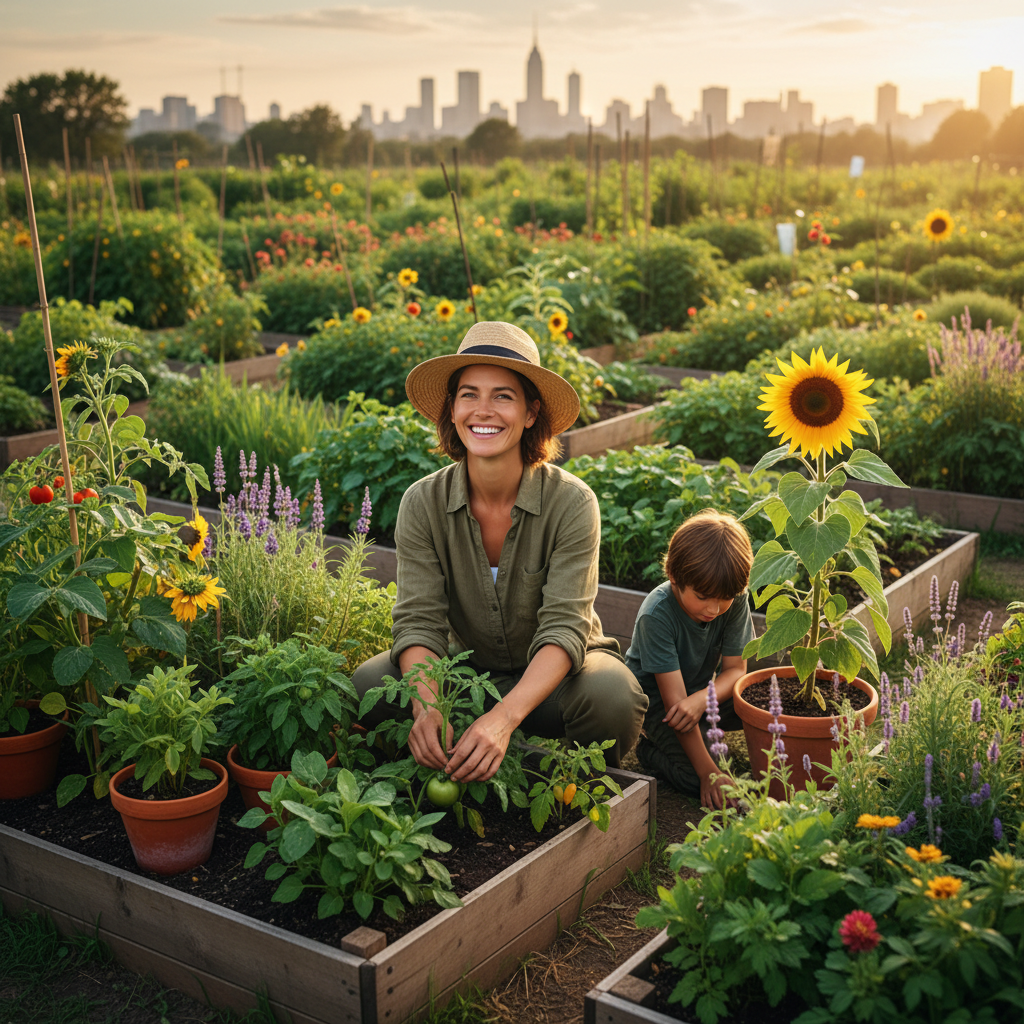
In an era defined by rapid environmental change and urban transformation, a new perspective on our green spaces is emerging. It's no longer just about beauty; it's about healing. This timely book shines a light on how even the smallest garden can become a vital sanctuary, not only for nature but for our collective well-being in a changing world.
TL;DR: Key Facts
- A new book, 'Gardens That Can Save the World,' proposes a powerful role for small landscapes.
- It introduces the concept of 'solastalgia,' the distress caused by environmental change to one's home environment.
- The book highlights how urban gentrification and the loss of green spaces contribute to this feeling of loss.
- Small, local gardens are presented as significant solutions to both psychological and ecological challenges.
What Happened
A thought-provoking new publication titled 'Gardens That Can Save the World' is challenging conventional views on gardening. This book, focused on 'Small Landscapes with Big Ideas,' delves into the profound impact that even modest green spaces can have on our planet and our psyche. At its core, the work introduces and explores the concept of 'solastalgia,' a term that articulates the deep sense of loss and distress felt when one's familiar environment is negatively transformed, even while still residing within it.
The book illustrates how phenomena such as urban gentrification directly contribute to solastalgia. It points to instances where cherished, slightly wild front gardens are systematically replaced by hardscapes like carports, sacrificing vital greenery for concrete. This shift not only diminishes local biodiversity and urban aesthetics but also erodes the community's connection to its natural surroundings, leading to a palpable sense of environmental displacement. The authors argue that this reaction is becoming increasingly common, reflecting broader societal anxieties about our changing world.
Through its exploration, 'Gardens That Can Save the World' makes a compelling case for the transformative power of small-scale gardening. It positions these humble green patches – whether a window box, a community plot, or a compact backyard – not merely as decorative elements, but as crucial tools for mitigating environmental degradation and fostering resilience against the psychological impacts of ecological change. The book suggests that by nurturing these small landscapes, individuals and communities can actively participate in global solutions, one garden at a time.
Why It Matters
For readers of GreenNest Living, this news is profoundly relevant to the 'Garden & Plants' theme, elevating gardening from a mere hobby to a pivotal act of environmental stewardship and personal well-being. In an era where climate anxiety is prevalent and urban expansion often sacrifices green spaces, the book’s message offers a powerful antidote. It frames every plant, every small garden, as a direct contribution to combating 'solastalgia,' a term that perfectly encapsulates the unease many feel about the loss of familiar ecosystems in their own neighborhoods. Understanding solastalgia provides a critical framework for recognizing the psychological toll of environmental change, making the act of gardening an essential form of self-care and community resilience.
This perspective fundamentally shifts our understanding of what a garden can achieve. It’s not just about growing food or creating beauty; it’s about actively regenerating local ecosystems, fostering biodiversity, and providing vital green corridors in increasingly concrete landscapes. Small gardens, when viewed collectively, become powerful decentralized networks of ecological health. They offer refuge for pollinators, help manage stormwater, improve air quality, and even contribute to localized cooling, all while sequestering carbon. The book empowers individuals to see their localized efforts as part of a grander, global mission – transforming passive concern into active, tangible impact.
Furthermore, the insights from 'Gardens That Can Save the World' reinforce the social dimension of sustainable living. The preservation and creation of green spaces, especially in urban environments, directly counter the negative effects of gentrification that strip communities of their natural heritage. By highlighting the value of 'slightly ragged front gardens' over sterile carports, the book implicitly advocates for community-led greening initiatives and policy changes that prioritize living landscapes. It reminds us that our personal gardens are threads in a larger tapestry, connecting us to our neighbors, to our local environment, and to the broader ecological health of the planet. This book offers a compelling narrative of hope, demonstrating that meaningful change can begin right outside our doors.
What You Can Do
- Start Small, Think Big: Begin a garden project, no matter the size. A window box of herbs, a balcony container garden, or a small patch in your yard can make a difference.
- Embrace Native Plants: Choose plants indigenous to your region. They support local wildlife, require less water and maintenance, and help restore ecological balance.
- Prioritize Green Over Grey: Whenever possible, opt for permeable surfaces and living landscapes instead of concrete or pavement. Consider a 'depaving' project if you have unused hard surfaces.
- Join or Create Community Gardens: Collaborate with neighbors to cultivate shared green spaces. Community gardens foster biodiversity, food security, and social connection.
- Advocate for Urban Greenery: Support local initiatives and policies that protect existing green spaces and promote the creation of new parks, tree canopy, and biodiverse corridors.
- Educate and Inspire: Share your gardening journey and the benefits of green spaces with friends, family, and your online community. Encourage others to connect with nature and garden.
FAQs
Q: What exactly is 'solastalgia'?
A: Solastalgia is a form of emotional or existential distress caused by environmental change or degradation in one's home environment. It's the feeling of losing your sense of place and familiarity even though you haven't physically moved.
Q: How can my small garden truly make a difference on a global scale?
A: While seemingly small, collectively, these gardens contribute significantly to urban biodiversity, reduce heat island effects, manage stormwater, sequester carbon, and provide vital pollinator habitats. They also foster community resilience and combat feelings of environmental despair.
Q: Are there specific types of gardens or plants recommended by the book to 'save the world'?
A: While the provided excerpt is brief, the theme 'Small Landscapes with Big Ideas' suggests a focus on accessible, often urban, and biodiverse gardens. Prioritizing native species, food production, and ecological functions would align with the book's overarching message of positive environmental impact.
Sources
This article is based on reporting by Gardenista.
Original source
Gardenista
Author, Digital Entrepreneur & AI Creator
More from Garden & Plants
- LA Oasis: Modern Spanish Colonial Design for Sustainable Living — May 13, 2026
- Flowering Shrubs: The Underrated Backbone of Your Eco-Garden — May 11, 2026
- Native Wisteria: Blooming Beauty, Boosting Biodiversity — May 10, 2026
- Embracing the Subtle Beauty of Shade Gardens — May 9, 2026
- Ground Covers: The Low-Maintenance Path to a Greener Yard — May 8, 2026