Gardens That Can Save the World: Your Small Plot's Big Role
Key Takeaways
- New book 'Gardens That Can Save the World' explores the profound impact of small landscapes.
- It introduces and addresses 'solastalgia' – the distress from environmental change to one's home.
- The book argues that small gardens actively counter gentrification and ecological degradation.
- It positions gardening as a critical practice for fostering community resilience and biodiversity.
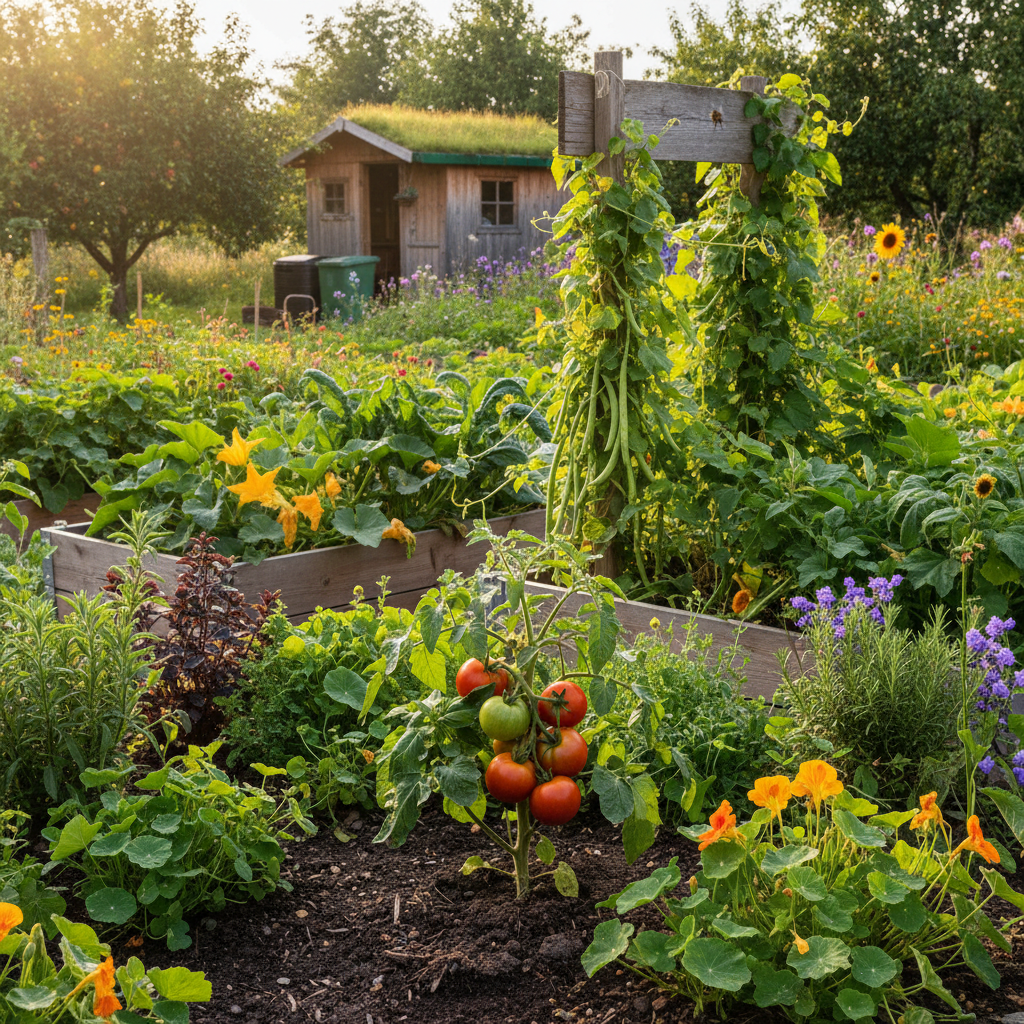
In an era where environmental challenges feel overwhelmingly vast, a new perspective emerges that grounds global concerns right in our backyards. This spring, a compelling new book suggests that even the smallest garden can be a powerful agent of change, offering both solace and tangible solutions against phenomena like environmental grief and rapid urban transformation.
It’s a timely message that redefines gardening not just as a hobby, but as an essential act of resilience and hope in uncertain times.
TL;DR: Key Facts
- A new book, “Gardens That Can Save the World,” re-evaluates the impact of small landscapes.
- It introduces the concept of solastalgia, the distress caused by environmental change to one's home place.
- The book argues that even modest gardens can serve as vital tools against urban gentrification and ecological degradation.
- It positions gardening as a significant contributor to community resilience, biodiversity, and mental well-being.
What Happened
The esteemed gardening platform, Gardenista, recently highlighted an exciting new publication titled “Gardens That Can Save the World.” This book delves into the profound potential of small landscapes, advocating for their role not merely as decorative elements but as powerful interventions in the face of significant environmental and social shifts.
Central to the book's premise is the exploration of solastalgia—a term describing the existential distress experienced when one's familiar environment is dramatically altered or lost, even while physically remaining in that location. The article cites examples such as the dismay over neighborhoods losing their slightly ragged front gardens to gentrification, with vital greenery often swapped for carports. The book positions well-designed, thoughtful small gardens as a counter-narrative to such loss, proposing them as spaces that can actively restore connection, biodiversity, and community spirit.
Why It Matters
For readers of GreenNest Living and anyone passionate about sustainable living, this book’s perspective is profoundly important. It shifts the narrative around gardening from an individual pursuit to a collective act of environmental stewardship and social commentary. In a world grappling with climate change, biodiversity loss, and increasing urbanization, the idea that a small landscape can contribute to 'saving the world' is not just inspiring; it’s empowering.
The concept of solastalgia resonates deeply in our rapidly changing world. Many of us have witnessed beloved local green spaces disappear or transform into something unrecognizable. This book offers a framework for understanding that emotional loss and, more importantly, provides practical pathways for active resistance and healing. By cultivating even a small garden, we are not just growing plants; we are actively regenerating a sense of place, fostering local ecosystems, and building community resilience against the tide of environmental degradation and unchecked development. It encourages us to see our front yards, balconies, and community plots as vital battlegrounds for local ecology and mental well-being.
Furthermore, the book’s emphasis on countering gentrification through preserving and enhancing green spaces highlights the social justice aspect of sustainable gardening. It champions the idea that accessible green infrastructure is a right, not a luxury. By advocating for diverse, robust small gardens, we contribute to healthier, more equitable communities, ensuring that nature remains an integral part of urban and suburban landscapes for everyone, not just those who can afford large private estates. This vision aligns perfectly with GreenNest Living’s mission to inspire impactful, everyday sustainable actions.
What You Can Do
Inspired by the powerful ideas in “Gardens That Can Save the World,” here are actionable steps you can take to make a difference:
- Read the Book: Engage with the core concepts of “Gardens That Can Save the World.” Understanding the philosophical and practical arguments can deepen your own gardening practice and advocacy.
- Start Small, Think Big: If you have any outdoor space—a balcony, a window box, a small yard—begin cultivating it with purpose. Focus on native plants to support local pollinators and biodiversity.
- Embrace Biodiversity: Research native plant species that thrive in your region. These plants are crucial for supporting local wildlife, require less water and maintenance, and create resilient micro-ecosystems.
- Join or Start a Community Garden: Connect with local initiatives. Community gardens are powerful hubs for social interaction, food security, and collective environmental action, directly combating urban green space loss.
- Advocate for Green Spaces: Speak up in local planning meetings or to your elected officials about the importance of preserving and creating green infrastructure in your community. Support policies that protect existing natural areas and integrate new ones into urban development.
- Share Your Knowledge: Talk to neighbors, friends, and family about the importance of sustainable gardening practices. Encourage them to plant native species or start their own small gardens, amplifying the collective impact.
FAQs
Q: What exactly is solastalgia?
A: Solastalgia is a form of emotional or existential distress caused by environmental change in one's home territory. It’s the sense of loss or longing for a place that is physically still there but has been profoundly altered, leading to a feeling of estrangement from one’s familiar environment.
Q: How can my small garden truly 'save the world'?
A: While a single small garden won't solve global crises, the collective impact of many small gardens is immense. They contribute to local biodiversity, absorb carbon, manage stormwater, foster community bonds, provide fresh food, and offer vital psychological benefits, all of which are essential components of a sustainable and resilient world.
Q: Is this book only for experienced gardeners?
A: No, the book's message is likely for anyone interested in the intersection of nature, community, and well-being. It frames gardening as an accessible form of environmental action, making it relevant for beginners and seasoned enthusiasts alike who want to understand the deeper impact of their green spaces.
Sources
This article is based on reporting by Gardenista.
Original source
Gardenista
Author, Digital Entrepreneur & AI Creator
More from Garden & Plants
- LA Oasis: Modern Spanish Colonial Design for Sustainable Living — May 13, 2026
- Flowering Shrubs: The Underrated Backbone of Your Eco-Garden — May 11, 2026
- Native Wisteria: Blooming Beauty, Boosting Biodiversity — May 10, 2026
- Embracing the Subtle Beauty of Shade Gardens — May 9, 2026
- Ground Covers: The Low-Maintenance Path to a Greener Yard — May 8, 2026