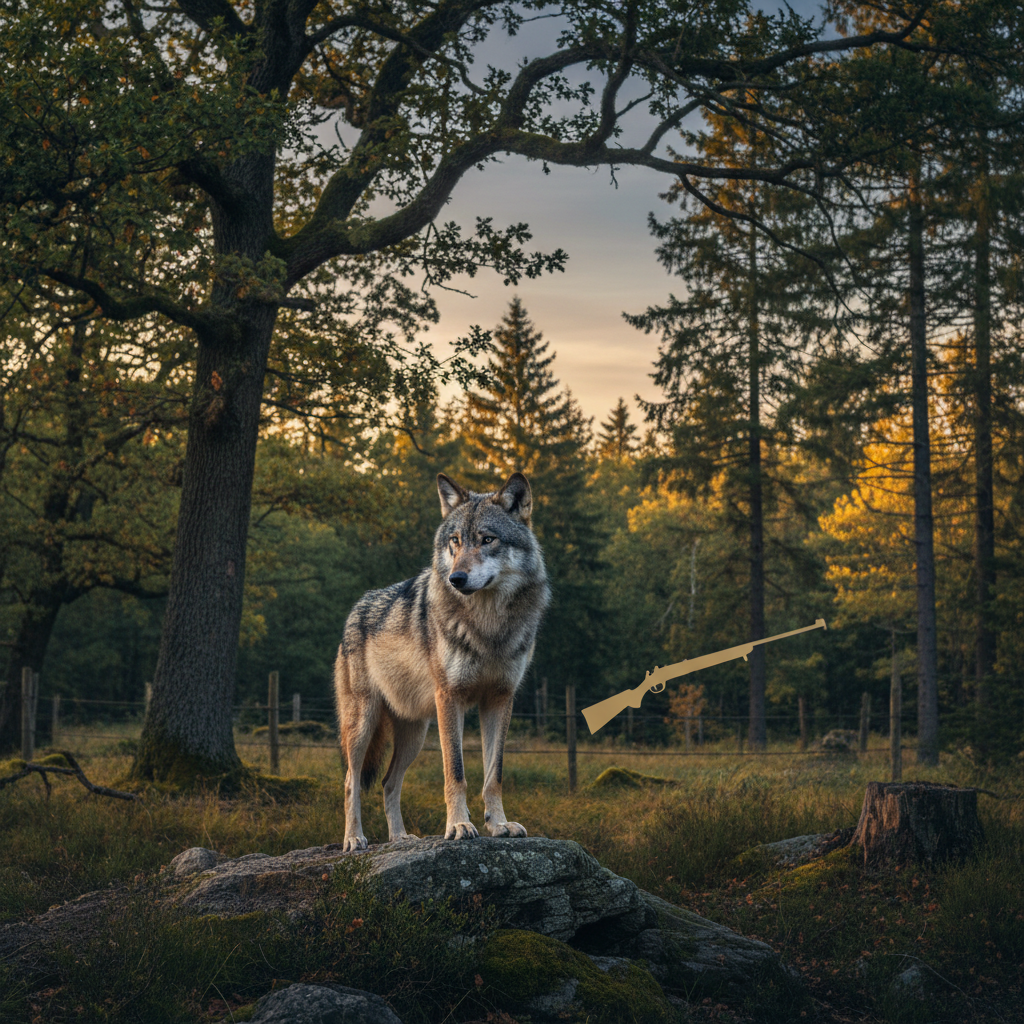
Germany Greenlights Wolf Hunting Amid Rising Conflict
Key Takeaways
- Germany legalizes wolf hunting due to population growth and livestock attacks.
- The decision is highly polarizing, reflecting ongoing human-wildlife conflict.
- Wolves, once nearly extinct in Germany, have made a significant comeback.
- Farmers cite 'bloodlust' and rising economic losses from wolf depredation.
- The law represents a shift in wildlife management with potential implications for other European nations.
Germany Greenlights Wolf Hunting Amid Rising Conflict
The delicate balance between wildlife conservation and human livelihood is once again at the forefront, as Germany takes a significant step that could reshape its approach to predator management. This decision by the lower house of parliament to legalize wolf hunting is a stark reminder that successful conservation efforts can bring new, complex challenges, demanding careful consideration from all sides.
TL;DR: Key Facts
- Germany's lower house of parliament has voted to legalize wolf hunting.
- The move comes in response to a rapid increase in the country's wolf population.
- There has been a sharp rise in attacks on grazing farm animals, prompting concerns from farmers.
- The legislation is described as polarizing, highlighting deep divisions over predator management.
- The law aims to address livestock 'bloodlust' concerns from agricultural sectors.
What Happened
Germany's lower house of parliament recently passed legislation that will permit the hunting of wolves. This decision marks a significant shift in the nation's wildlife management policy, particularly for a species that was once nearly eradicated from the country. The vote follows years of intense debate and mounting pressure from agricultural communities, who have reported a sharp increase in attacks on their livestock.
The primary driver for this legislative change is the notable recovery and subsequent rapid growth of the wolf population across Germany. After decades of absence, wolves began returning to Germany in the early 2000s, primarily from Poland. Their population has since expanded considerably, a testament to successful conservation efforts. However, this comeback has also led to increased interactions, and unfortunately, conflicts with human activities, particularly in rural areas where livestock farming is prevalent. The term 'bloodlust' used in some quarters underscores the emotional intensity surrounding these attacks from the perspective of affected farmers.
Why It Matters
This development is critically important for our GreenNest Living readers, as it encapsulates one of the most pressing and complex issues in modern wildlife and nature conservation: human-wildlife conflict. The return of wolves to Germany is, on one hand, a monumental ecological success story, showcasing the power of habitat restoration and protective legislation. These apex predators play a vital role in maintaining ecosystem health, regulating prey populations, and enhancing biodiversity. Their presence can lead to healthier forests and more resilient ecosystems, benefits that extend far beyond their immediate impact.
However, the rapid population increase, coupled with a rise in livestock depredation, highlights the inherent challenges of co-existence. For farmers, these attacks represent not just financial losses but also emotional distress and a threat to their livelihoods and traditional ways of life. The move to legalize hunting reflects a societal struggle to balance the intrinsic value of wildlife with the economic and social realities of human communities. It forces a conversation about what 'conservation' truly means in a populated, developed nation and how we define successful wildlife integration.
Furthermore, this polarizing law could set a precedent for other European nations facing similar dilemmas with recovering wolf populations. It underscores the need for comprehensive, science-based wildlife management strategies that not only focus on species recovery but also actively integrate measures for human-wildlife co-existence. The debate isn't just about wolves; it's about our collective responsibility to find sustainable solutions that honor both ecological imperatives and human needs, preventing a rollback of hard-won conservation gains.
What You Can Do
- Educate Yourself on Co-existence: Learn about non-lethal deterrents for livestock protection, such as guard dogs, electric fences, and night enclosures. Understanding these methods can help advocate for their wider implementation.
- Support Balanced Conservation Efforts: Seek out and support organizations that work to protect predators like wolves while also providing practical solutions and compensation for farmers affected by wildlife conflicts.
- Advocate for Science-Based Policy: Engage with your local and national representatives to support wildlife management policies rooted in scientific research, balancing conservation goals with the needs of local communities.
- Understand Predator Ecology: Learn about the ecological role of apex predators in healthy ecosystems. Understanding their importance can help foster appreciation and informed discussions.
- Spread Awareness: Share accurate information about wolves and human-wildlife conflict with your community, helping to counter misinformation and emotional narratives.
- Consider Your Food Choices: Support farmers who implement environmentally friendly practices and predator-friendly livestock management, signaling market demand for sustainable solutions.
FAQs
Q: Why are wolves protected in many parts of Europe?
A: Wolves were historically hunted to near extinction across much of Europe. Due to their ecological importance as apex predators and their endangered status, they were granted protected status under international and national laws (e.g., the Bern Convention and EU Habitats Directive) to facilitate their recovery.
Q: What are some effective non-lethal methods to prevent wolf attacks on livestock?
A: Common and effective methods include installing electric fences, using livestock guardian dogs (e.g., Great Pyrenees, Maremma Sheepdogs), employing human shepherds, utilizing fladry (flags on a fence line), and bringing livestock into secure enclosures at night.
Q: How has Germany's wolf population changed over time?
A: Wolves were eradicated from Germany in the early 20th century. They naturally returned from Poland in the year 2000 and have since experienced a remarkable recovery, with their population growing steadily, leading to increased sightings and interactions across various German states.
Sources
This article is based on reporting by The Guardian Environment.
Original source
The Guardian Environment
Author, Digital Entrepreneur & AI Creator
More from Wildlife & Nature News
- The Silent Drain: Sand Scarcity Threatens Global Ecosystems — May 13, 2026
- Celestial Glimpse: Earth's Glow, Our Lost Night Skies — May 11, 2026
- Google's UK Datacentre Emissions Understated by Factor of Five — May 10, 2026
- Cosmic Beacon: Earth's Glow Inspires Global Stewardship — May 9, 2026
- Amazon Tipping Point: Deforestation, Warming Threaten Rainforest by 2040s — May 8, 2026