Green Energy's Dark Side: Indonesia's Nickel Boom Fallout
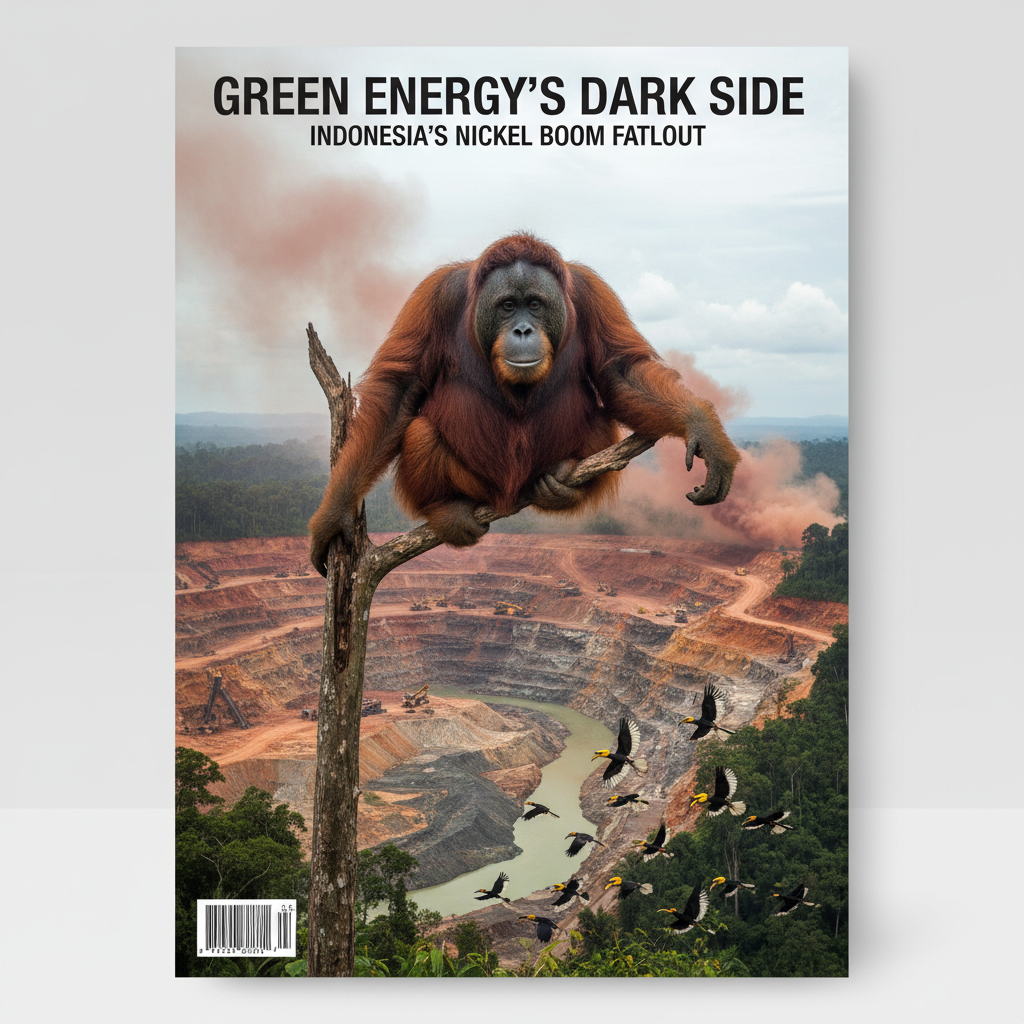
Key Takeaways
- Indonesia's nickel industry, crucial for green tech, is linked to rising worker illness and environmental harm.
- Reports, including by Indonesia’s human rights commission, detail these impacts in regions like Halmahera.
- Rapid expansion of mining and smelting operations leads to habitat destruction, water, and air pollution.
- The situation highlights a significant ethical challenge within 'green' technology supply chains.
- True sustainability requires ethical sourcing, stringent regulations, and human rights protection across the entire value chain.
The global push for green energy relies heavily on critical minerals like nickel, but new reports from Indonesia are casting a harsh light on its true cost. Research from the nickel-rich regions of Halmahera reveals a disturbing increase in worker illness and environmental degradation, directly linked to this crucial supply chain for electric vehicles and other sustainable technologies. This isn't just about industry; it's about the health of communities and ecosystems sacrificed in the name of progress.
TL;DR: Key Facts
- Indonesia's nickel processing industry, crucial for the global energy transition, is linked to rising rates of ill health and worker harm.
- Reports, including one by Indonesia’s human rights commission (Komnas HAM), document these adverse impacts in nickel-rich regions like Halmahera.
- The environmental consequences include extensive habitat destruction, water, and air pollution, affecting local ecosystems and human well-being.
- The rapid expansion of nickel mining and smelting operations is outpacing regulatory oversight and responsible practices.
- This situation highlights a significant ethical challenge within the supply chains of "green" technologies.
What Happened
Recent investigations and reports have unveiled a grim reality behind Indonesia's rapidly expanding nickel industry. In regions like Halmahera, the intensive mining and processing of nickel — a vital component in electric vehicle batteries and other renewable energy technologies — have been directly correlated with a concerning surge in illness among workers and local communities. Indonesia’s human rights commission, Komnas HAM, published a report in April, detailing these widespread instances of harm.
The reports highlight not only the direct health risks faced by those working in the mines and smelters but also the broader environmental toll on surrounding communities. Pollution of water sources, air quality degradation, and significant habitat destruction are becoming increasingly prevalent. As the world accelerates its transition to green energy, the demand for nickel has skyrocketed, leading to a boom in Indonesian production that appears to be coming at a severe cost to both human health and the delicate ecosystems of these resource-rich areas.
Why It Matters
This news strikes at the very heart of the "Wildlife & Nature News" category because it exposes the environmental and social paradox of the global energy transition. While we champion electric vehicles and renewable energy as solutions to climate change, the extraction of the raw materials required for these technologies can inflict devastating, localized damage on nature. Nickel mining often involves large-scale deforestation, soil erosion, and the contamination of waterways, directly threatening biodiversity and disrupting vital ecosystems. For our readers, understanding this complex interplay is crucial: a "green" product isn't truly green if its origins are rooted in environmental destruction and human exploitation.
Furthermore, the reports underscore the interconnectedness of human health and environmental well-being. Polluted water and air, direct consequences of unchecked mining practices, don't just harm workers; they impact the entire food web, from local wildlife to the communities relying on those natural resources. This situation serves as a stark reminder that true sustainability must encompass ethical sourcing, stringent environmental regulations, and robust human rights protections throughout the entire supply chain, not just at the point of consumption. It challenges us to look beyond the immediate benefits of green technology and demand a holistic approach that safeguards both people and planet.
What You Can Do
- Research Your Purchases: Investigate the sourcing practices of companies producing electric vehicles, electronics, and other products requiring nickel. Look for companies committed to ethical and sustainable supply chains.
- Advocate for Stronger Regulations: Support organizations pushing for stricter international and local regulations on mining practices, environmental protection, and worker safety in resource-rich nations.
- Support Ethical Supply Chain Initiatives: Look for certifications or industry initiatives that verify responsible mining and sourcing of critical minerals.
- Educate Others: Share information about the hidden costs of the energy transition to raise awareness among your network and encourage informed choices.
- Demand Transparency: Contact companies directly and ask about their mineral sourcing policies and how they ensure human rights and environmental protection in their supply chain.
- Consider Sustainable Alternatives: Where possible, explore options that reduce reliance on new mineral extraction, such as buying refurbished electronics or supporting battery recycling programs.
Ciro's Take
As an environmental journalist, I often grapple with the uncomfortable truths hidden beneath the glossy promises of a green future. The reports from Indonesia regarding nickel extraction are not just news; they're a gut punch. They remind us that the energy transition, while absolutely vital, cannot be built on the suffering of communities or the destruction of unique ecosystems. This isn't merely an industry problem; it's a moral imperative for us all to demand genuine sustainability, from the mine to the consumer. For me, it solidifies the conviction that true environmental advocacy must always connect human rights with ecological integrity – because you can't have one without the other.
FAQs
Q: What is nickel used for in the "green" energy transition?
A: Nickel is a crucial component in lithium-ion batteries, which power electric vehicles, energy storage systems, and various other renewable energy technologies.
Q: What specific health issues are being reported?
A: The reports indicate a rise in various illnesses among workers and local residents, likely related to exposure to dust, chemicals, and pollutants associated with mining and smelting operations, though specific ailments would require detailed medical data.
Q: How does this impact wildlife and nature specifically?
A: Nickel mining often leads to widespread deforestation for open-pit mines, soil erosion, contamination of rivers and marine environments with heavy metals and sediment, and disruption of local biodiversity through habitat destruction and pollution.
Sources
This article is based on reporting by Mongabay.
Original source
Mongabay
Author, Digital Entrepreneur & AI Creator
More from Wildlife & Nature News
- Tourist Arrest in Monkey Enclosure: A Call for Respect — May 20, 2026
- Tourist Enclosure Breach: A Call for Wildlife Respect — May 20, 2026
- NASA's Evolving Nightscape: Wildlife Stakes in Earth's New Light Map — May 18, 2026
- Unearthing Connection: Black Mushroom Hunters Find Purpose in Fungi — May 17, 2026