Zambia's Tech Bridge: Farmers & Wildlife Coexist
Key Takeaways
- Zambian farmers use radio and satellite alerts for real-time wildlife warnings.
- The system reduces human-wildlife conflict, protecting crops and lives.
- It involves community radio, DNPW officials, and satellite-collared animals like elephants.
- Alerts are disseminated via SMS and radio, enabling preventative measures.
- This proactive model promotes coexistence and sustainable livelihoods for communities.
In a world where human expansion often clashes with the natural habitats of wildlife, finding harmony is paramount. A groundbreaking initiative in Zambia is showcasing a powerful model for coexistence, where technology and community engagement are bridging the divide between anxious farmers and dangerous wildlife. This isn't just about protection; it's about pioneering a sustainable future for both people and nature.
TL;DR: Key Facts
- Local Zambian communities are using radio and satellite systems to receive real-time alerts about the proximity of dangerous wildlife.
- The initiative aims to significantly reduce human-wildlife conflict, particularly crop raiding by elephants and threats from predators like lions.
- Zambia's Department of National Parks and Wildlife (DNPW) collaborates with community radio stations and rapid response teams.
- Satellite collars on key animals provide data, which is then disseminated through SMS and radio broadcasts to at-risk farmers.
- This proactive approach protects both vulnerable livelihoods and critically important wildlife populations, promoting coexistence.
What Happened
In the eastern Zambian town of Lundazi, a seemingly simple yellow building houses a powerful tool for conservation: a community radio station. Here, presenter Joseph Mwale, alongside officials from Zambia’s Department of National Parks and Wildlife (DNPW), fields a continuous stream of calls from worried villagers. Their concerns are often urgent: a herd of elephants heading towards their crops, or a lion spotted near livestock. What makes this setup unique is the sophisticated network behind it, designed to transform potential conflict into informed coexistence.
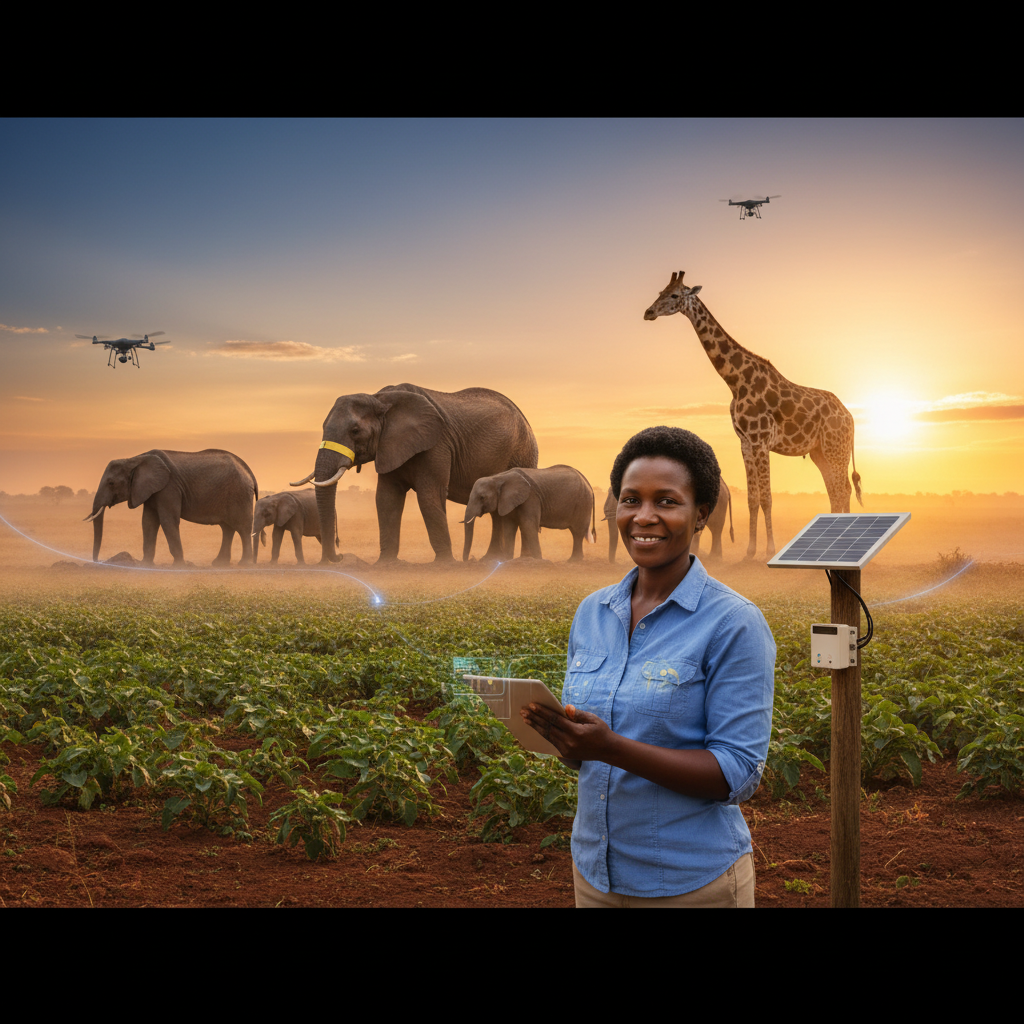
The system relies on a two-pronged approach. First, key wildlife, such as elephants known for crop raiding, are fitted with satellite collars. These collars transmit location data in real-time. When an animal equipped with a collar approaches human settlements or agricultural areas, the DNPW control center receives an immediate alert. This data is then quickly cross-referenced with geographical information, identifying specific villages or farms at risk.
Crucially, this technical data is then translated into actionable intelligence for the local populace. Alerts are sent out via SMS to registered farmers, and critical warnings are broadcast over local radio waves by presenters like Mwale. This rapid dissemination allows farmers to take preventative measures, such as herding livestock to safety or implementing noise deterrents to ward off approaching animals, often with the support of dedicated rapid response teams (RRTs) from the DNPW. This integrated approach minimizes losses for farmers and reduces retaliatory actions against wildlife, fostering a safer environment for all.
Why It Matters
This innovative Zambian initiative is a beacon of hope in the often-challenging landscape of wildlife conservation. It directly addresses one of the most critical and enduring threats to biodiversity globally: human-wildlife conflict. As human populations expand and agricultural frontiers push deeper into wild spaces, clashes over resources and space become inevitable. All too often, these encounters result in significant economic losses for communities and, tragically, the injury or death of endangered animals. This project demonstrates a viable path forward, proving that technology, when harnessed effectively and collaboratively, can create pathways for coexistence rather than simply managing conflict.
For our readers at GreenNest Living, this story underscores the profound impact of local, community-driven solutions. It's not just about protecting elephants; it's about empowering farmers to protect their livelihoods without resorting to measures that harm wildlife. This model prioritizes prevention over reaction, using early warning systems to avert potential tragedies. By supporting such initiatives, we contribute to a future where sustainable development and vibrant ecosystems are not mutually exclusive, but rather intertwined. It’s a powerful illustration of how practical sustainability looks on the ground.
Moreover, this approach offers a scalable blueprint for other regions facing similar challenges, from Asia's tiger corridors to Latin America's jaguar territories. It highlights the importance of investing in local infrastructure, like community radio, and fostering trust between conservation authorities and rural populations. When communities feel heard, informed, and actively involved in conservation efforts, the success rate for protecting both humans and wildlife dramatically increases. This narrative shifts the paradigm from 'us versus them' to a shared responsibility for a balanced ecosystem.
What You Can Do
- Support Tech-Driven Conservation: Seek out and donate to organizations that are deploying innovative technologies like satellite tracking, early warning systems, and acoustic deterrents to mitigate human-wildlife conflict. Research where your contributions can make the most tangible difference.
- Educate Yourself and Others: Learn more about the specific challenges and successes of human-wildlife coexistence initiatives worldwide. Share these stories, like Zambia's, with friends, family, and on social media to raise awareness about practical conservation solutions.
- Advocate for Policy Changes: Support policies and government funding that prioritize community-led conservation, provide compensation for wildlife-induced losses, and invest in sustainable land-use planning that considers wildlife corridors.
- Choose Responsible Tourism: If considering wildlife tourism, research tour operators that prioritize ethical practices, contribute directly to local conservation efforts, and ensure benefits flow back to the communities living alongside wildlife.
- Understand Your Consumer Choices: Be aware of how your consumption habits, especially regarding agricultural products, might impact global land use and indirectly contribute to habitat encroachment. Support sustainably sourced goods where possible.
- Engage with Local Initiatives: Look for opportunities to support local conservation efforts in your own region, as similar challenges of human-wildlife interaction, albeit perhaps on a different scale, exist globally.
Ciro's Take
As an environmental advocate, stories like Zambia’s fill me with profound hope. For too long, the narrative of human-wildlife interaction has been dominated by tragedy and conflict. This initiative is a beautiful testament to what's possible when we choose innovation over despair, collaboration over confrontation. It reminds us that our technological prowess can be a force for profound good, empowering communities to thrive alongside, rather than at the expense of, the natural world. This isn't just news; it's a blueprint for a more balanced, respectful future, and it personally motivates me to continue championing solutions that truly bridge the gap between people and planet.
FAQs
Q: What types of dangerous wildlife are these alerts primarily focused on?
A: The system primarily focuses on large, dangerous animals like elephants, which are prone to crop raiding, and predators such as lions, which pose a threat to livestock and human safety.
Q: How effective has this early warning system been in practice?
A: Reports from the ground indicate significant success, with early warnings enabling farmers to take preventative action, leading to a noticeable reduction in crop damage, livestock predation, and retaliatory incidents against wildlife.
Q: Can this technological approach to coexistence be applied in other parts of the world?
A: Absolutely. The principles of using satellite tracking, community radio, and rapid response teams are highly scalable and adaptable to various ecological and socio-economic contexts, making it a promising model for global human-wildlife conflict mitigation.
Sources
This article is based on reporting by Mongabay.
Original source
Mongabay
Author, Digital Entrepreneur & AI Creator
More from Wildlife & Nature News
- The Silent Drain: Sand Scarcity Threatens Global Ecosystems — May 13, 2026
- Celestial Glimpse: Earth's Glow, Our Lost Night Skies — May 11, 2026
- Google's UK Datacentre Emissions Understated by Factor of Five — May 10, 2026
- Cosmic Beacon: Earth's Glow Inspires Global Stewardship — May 9, 2026