Unearthing Connection: Black Mushroom Hunters Find Purpose in Fungi
Key Takeaways
- A growing community of Black mushroom hunters is emerging across the US.
- Foragers are finding nourishment and connection through fungi.
- The movement emphasizes fungi's ecological importance and challenges traditional conservation views.
- It offers the African diaspora a way to reconnect with ancestral practices and land.
- The trend showcases overlooked biodiversity and cultural significance of mycology.
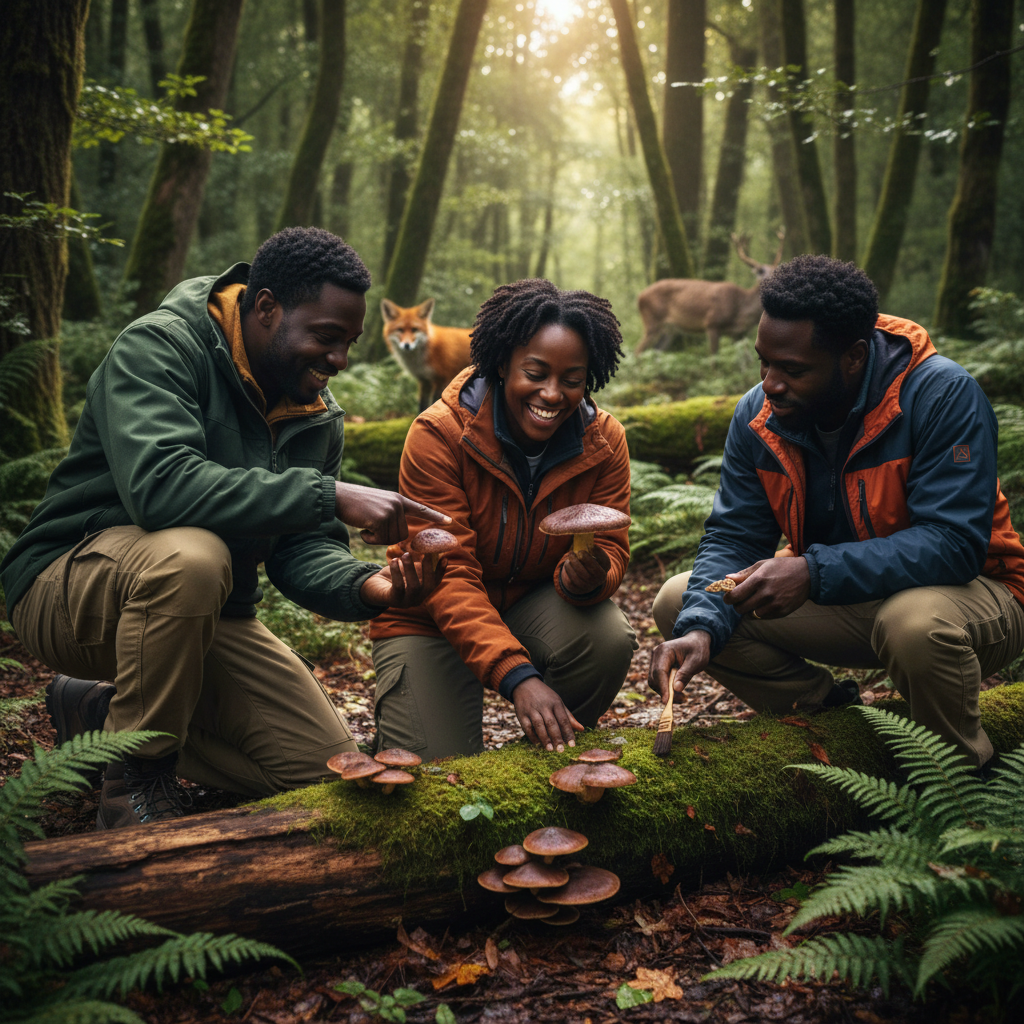
In an era dominated by screens and fast-paced living, a quiet revolution is unfolding in the nation's forests and fields. It's a movement spearheaded by Black mushroom hunters who are rediscovering the profound connection to the land and the essential role of fungi in our ecosystems. This isn't just about foraging for food; it's about cultural rediscovery, community building, and a deeper engagement with the natural world.
TL;DR: Key Facts
- A burgeoning community of Black mushroom hunters is emerging across the US, driven by a desire for connection and self-sufficiency.
- Enthusiasts, like Maria Pinto, are finding physical and spiritual nourishment through foraging and mycology.
- These groups emphasize the importance of fungi to ecosystems, challenging traditional views of nature and conservation.
- The movement offers a unique avenue for the African diaspora to reconnect with ancestral practices and the land.
- It highlights the overlooked biodiversity and cultural significance of mycology in America.
What Happened
The story begins with individuals like Maria Pinto, whose typical walk in the woods of Newton, Massachusetts, turned into a moment of revelation when she encountered a glowing yellow figure – a mushroom – that sparked her interest in mycology. This moment of serendipity is echoed by many who are now part of a rapidly expanding network of Black mushroom hunters across the United States. These enthusiasts are not just casual foragers; they are dedicated students of fungi, learning to identify species, understand their ecological roles, and safely harvest them.
The movement has gained significant traction through social media and dedicated groups, fostering a strong sense of community. Participants are drawn to mushroom hunting for various reasons: the allure of finding sustenance directly from nature, the mental and physical benefits of spending time outdoors, and the intellectual challenge of identifying complex fungal species. More profoundly, for many within the African diaspora, it represents a meaningful reconnection to land-based practices that were often disrupted or erased through historical injustices, offering a pathway to food sovereignty and cultural reclamation.
These groups often organize educational walks, workshops, and communal forays, sharing knowledge and building bonds. They emphasize sustainable and ethical foraging practices, ensuring that the ecosystems they explore remain healthy and productive. This shared pursuit of fungi has become a powerful vehicle for fostering community, education, and a renewed appreciation for the natural world, moving beyond recreational activity to a deeper, more intentional engagement with the environment.
Why It Matters
This burgeoning movement of Black mushroom hunters is significant for several reasons, extending far beyond the simple act of finding food. Firstly, it spotlights the critical, yet often overlooked, role of fungi in our ecosystems. Fungi are nature's decomposers and recyclers, essential for nutrient cycling, plant health, and the overall biodiversity of forests. By engaging deeply with mycology, these hunters are not only learning about specific species but also advocating for greater ecological understanding and protection of these vital organisms.
Secondly, it challenges and broadens the narrative of who connects with nature and how. Historically, narratives around outdoor recreation and environmentalism have often excluded or marginalized Black communities. This movement reclaims space, demonstrating that the connection to the land is a universal human experience and can be a powerful tool for cultural expression and healing. It underscores the importance of diverse voices in environmental stewardship, ensuring that conservation efforts are inclusive and representative of all communities.
Finally, and perhaps most profoundly, it offers a pathway to food sovereignty and a reconnection to ancestral practices for the African diaspora. In a world increasingly concerned with sustainable living and local food systems, understanding how to forage safely and responsibly can empower communities with greater control over their food sources. This deep engagement with the land fosters a sense of belonging, resilience, and a powerful personal connection to nature that is both nourishing and transformative.
What You Can Do
- Educate Yourself on Fungi: Learn about the diverse world of mushrooms and their ecological importance. Start with local field guides or online resources.
- Join a Local Mycology Group: Connect with experienced foragers and mycologists in your area to learn safe identification and ethical foraging practices.
- Support Diverse Voices in Nature: Seek out and amplify organizations and individuals from marginalized communities who are engaging with environmentalism and outdoor activities.
- Understand Fungi's Ecosystem Role: Advocate for the protection of fungal habitats and understand how healthy soil and forest ecosystems rely on fungi.
- Practice Ethical Foraging: If you choose to forage, always do so responsibly – take only what you need, identify species accurately, and leave no trace.
- Share Your Knowledge: Inspire others in your community to explore the natural world and appreciate the wonders of local flora and fauna, including fungi.
Ciro's Take
As an environmental advocate, stories like the burgeoning movement of Black mushroom hunters truly resonate with me. It’s a powerful reminder that our connection to nature is multifaceted and deeply personal, transcending traditional boundaries. Witnessing communities rediscover the vital role of fungi, not just for sustenance but for cultural identity and spiritual nourishment, offers a beacon of hope. It underscores the urgent need to foster inclusive environmentalism, ensuring that every voice and every heritage has a place in the narrative of planetary stewardship. This isn't just about saving nature; it's about nature saving us, healing divides, and reinforcing our shared humanity through the simple act of engaging with the earth.
FAQs
Q: Why are fungi so important to ecosystems?
A: Fungi are crucial decomposers, breaking down organic matter and recycling nutrients back into the soil, which is essential for plant growth and overall ecosystem health. Many also form symbiotic relationships with plants, helping them absorb water and nutrients.
Q: Is it safe to forage for wild mushrooms?
A: Foraging for wild mushrooms can be dangerous if done without proper knowledge. Many edible mushrooms have toxic lookalikes. It's essential to learn from experienced mycologists, use reliable field guides, and never consume a mushroom unless you are 100% certain of its identification.
Q: How can I start learning about mycology or mushroom hunting?
A: Begin by joining a local mycological society or foraging group. Many communities offer guided walks and workshops. Online resources, books, and apps can also aid in learning identification, but hands-on experience with experts is invaluable for safety.
Sources
This article is based on reporting by The Guardian Environment.
Original source
The Guardian Environment
Author, Digital Entrepreneur & AI Creator
More from Wildlife & Nature News
- Tourist Arrest in Monkey Enclosure: A Call for Respect — May 20, 2026
- Tourist Enclosure Breach: A Call for Wildlife Respect — May 20, 2026
- Green Energy's Dark Side: Indonesia's Nickel Boom Fallout — May 19, 2026
- NASA's Evolving Nightscape: Wildlife Stakes in Earth's New Light Map — May 18, 2026