Heal Your World: Small Gardens, Big Impact & Solastalgia
Key Takeaways
- A new book, 'Gardens That Can Save the World,' is gaining attention.
- It introduces the concept of 'solastalgia' (environmental grief) and its impact.
- Small landscapes are presented as powerful solutions for ecological health and personal well-being.
- The book advocates for individual garden efforts to drive broader sustainability.
- Readers are encouraged to foster local biodiversity and community resilience through gardening.
In an era where environmental concerns often feel overwhelming, a powerful new perspective is emerging: the belief that meaningful change can blossom right in our backyards. This spring, a groundbreaking book challenges us to rethink the potential of small landscapes, offering a hopeful antidote to what many are calling 'solastalgia' – the profound grief for a changing home environment.
TL;DR: Key Facts
- A new book, 'Gardens That Can Save the World,' redefines the impact of small landscapes.
- It introduces the concept of 'solastalgia,' describing the distress felt from environmental degradation in one's familiar surroundings.
- The book champions the idea that even modest gardens hold significant power to foster ecological health and personal well-being.
- It suggests that local, intentional green spaces can be crucial in addressing broader environmental challenges.
What Happened
A recent feature on Gardenista highlights the upcoming book, 'Gardens That Can Save the World: A New Book on Small Landscapes with Big Ideas.' This publication arrives at a crucial time, offering a fresh lens through which to view our relationship with the environment, particularly within our immediate surroundings. The central tenet of the book, as excerpted, revolves around the concept of 'solastalgia.'
This term, 'solastalgia,' is defined as the deep sense of loss or distress experienced when one’s familiar home environment undergoes significant, unwanted change, even while physically remaining in that location. The book illustrates this through examples like once-ragged front gardens being gentrified into carports, signifying a loss of natural beauty and ecological function within a neighborhood. It posits that this feeling is a common, though often unnamed, reaction to the increasing pace of environmental alteration and degradation.
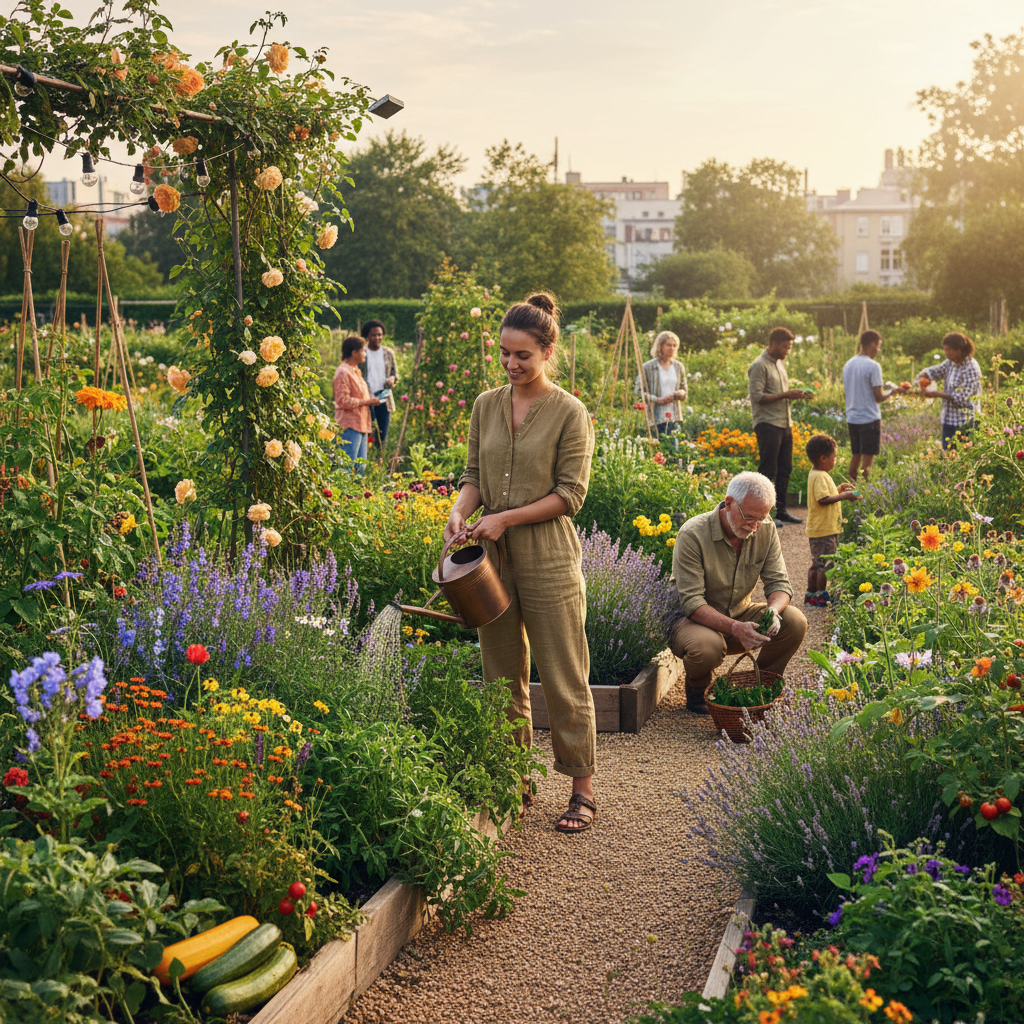
Crucially, 'Gardens That Can Save the World' proposes that small-scale gardening and intentional landscape design can serve as a vital response to this pervasive sense of loss. By focusing on ‘small landscapes with big ideas,’ the book inspires readers to see their personal green spaces—whether a balcony garden, a suburban yard, or a community plot—not just as aesthetic enhancements, but as potent tools for ecological restoration, community resilience, and personal healing.
Why It Matters
For readers of GreenNest Living, this book’s insights couldn't be more relevant. The concept of 'solastalgia' provides a name for a feeling many of us instinctively recognize: the quiet ache of witnessing natural spaces shrink, biodiversity diminish, or familiar landscapes alter irrevocably. It acknowledges the emotional toll of environmental change, moving beyond abstract global warming discussions to the personal impact on our sense of place and belonging. By naming it, the book empowers us to understand and address this grief actively.
This isn't just about acknowledging distress; it's about channeling it into proactive, hopeful action. The 'big ideas' embedded in 'small landscapes' are about empowering individuals. In a world often dominated by large-scale environmental challenges that can feel insurmountable, the book reminds us that every patch of green, no matter its size, is a living ecosystem with the potential to contribute to local biodiversity, sequester carbon, manage water, and provide habitat. A thoughtfully designed small garden can be a microcosm of a healthy planet, demonstrating sustainable practices and inspiring ripple effects.
Furthermore, cultivating a garden—even a small one—is a profoundly hopeful and restorative act. It connects us directly to the rhythms of nature, fosters a sense of stewardship, and provides a tangible way to mitigate environmental harm right where we live. This connection can alleviate the very solastalgia the book describes, replacing feelings of helplessness with a sense of purpose and genuine engagement. It transforms our personal spaces into agents of positive change, making sustainability not just a global aspiration, but a deeply personal and achievable daily practice.
What You Can Do
Feeling inspired to transform your piece of the world? Here’s a checklist of actionable steps you can take to embrace the 'small landscapes, big ideas' philosophy:
- Cultivate a Native Plant Oasis: Research and plant species native to your region. These plants are adapted to local conditions, require less water and maintenance, and crucially, provide essential food and and habitat for local pollinators, birds, and insects, directly boosting biodiversity in your area.
- Start a Micro-Food Garden: Even a few pots on a balcony can yield herbs, leafy greens, or small vegetables. Growing your own food reduces your carbon footprint, connects you to your food source, and provides fresh, healthy produce, fostering self-sufficiency.
- Embrace Composting: Turn kitchen scraps and yard waste into nutrient-rich soil. Composting diverts waste from landfills, reduces methane emissions, and creates valuable amendments that improve your garden's health, embodying a circular economy in your backyard.
- Harvest Rainwater: Install a rain barrel to collect water for your garden. This simple act conserves municipal water, reduces stormwater runoff, and provides a sustainable water source for your plants, especially during dry spells.
- Educate and Inspire Others: Share your gardening journey and its positive impacts with friends, family, and neighbors. Host a garden tour, share extra produce, or simply discuss the benefits you’ve observed. Your small actions can inspire a chain reaction of green initiatives.
- Support Local Green Initiatives: Look for community gardens, native plant societies, or environmental groups in your area. Participating in or donating to these organizations amplifies the impact of individual efforts and builds collective resilience against environmental challenges.
FAQs
Q: What exactly is 'solastalgia'?
A: Solastalgia is a psychological or existential distress caused by environmental change that damages or alters one's familiar home environment, leading to a feeling of loss or grief even while remaining physically present.
Q: How can a small garden genuinely help 'save the world'?
A: Small gardens, when thoughtfully designed and collectively cultivated, contribute to local biodiversity, support pollinators, improve soil health, manage water, reduce urban heat island effects, and sequester carbon. They also foster community connection and provide personal well-being, all of which are vital components of global sustainability.
Q: Where can I find this book, 'Gardens That Can Save the World'?
A: While the original source mentions it as a news item, you would typically find new book releases at your local independent bookstore, online retailers like Amazon, or through your public library system once it's widely available.
Sources
This article is based on reporting by Gardenista.
Original source
Gardenista
Author, Digital Entrepreneur & AI Creator
More from Garden & Plants
- LA Oasis: Modern Spanish Colonial Design for Sustainable Living — May 13, 2026
- Flowering Shrubs: The Underrated Backbone of Your Eco-Garden — May 11, 2026
- Native Wisteria: Blooming Beauty, Boosting Biodiversity — May 10, 2026
- Embracing the Subtle Beauty of Shade Gardens — May 9, 2026
- Ground Covers: The Low-Maintenance Path to a Greener Yard — May 8, 2026