Indonesia's Deforestation Soars: A Critical Setback for Nature
Key Takeaways
- Indonesia experienced a 66% surge in deforestation in 2025.
- This reverses several years of decline in forest loss.
- Approximately 433,751 hectares (1.1 million acres) of forest were cleared.
- The data was reported by the NGO Auriga Nusantara based on satellite analysis.
- The surge impacts endangered species, contributes to climate change, and affects indigenous communities.
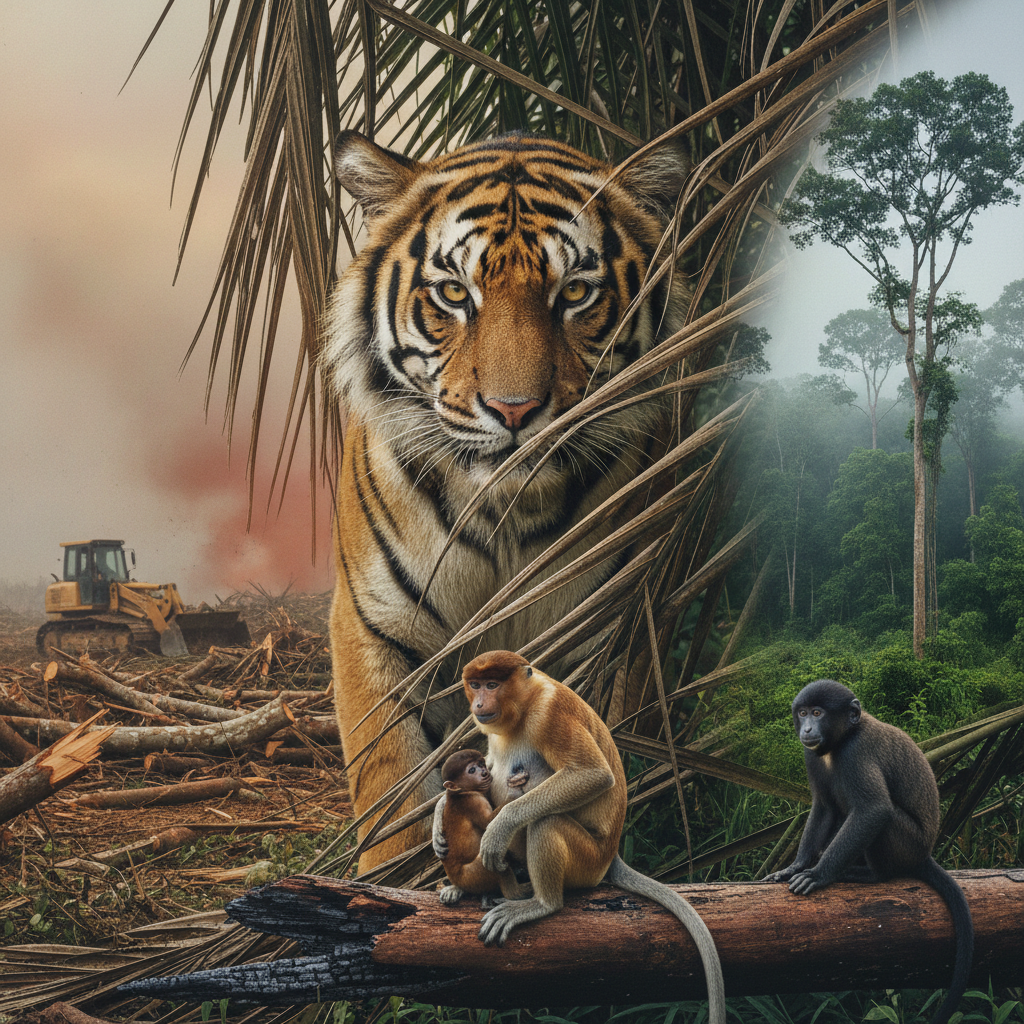
A shocking new report from Indonesia reveals a dramatic reversal in its battle against deforestation, signaling a critical setback for global conservation and climate efforts. After years of hard-won progress in slowing forest loss, the country witnessed an alarming 66% surge in deforestation in 2025, raising urgent questions about the future of its invaluable rainforests and the unique wildlife they harbor.
This environmental regression not only threatens Indonesia’s rich biodiversity but also poses a significant challenge to international commitments on climate change, making it imperative for GreenNest Living readers to understand the gravity of this development and its broader implications for our planet.
TL;DR: Key Facts
- Indonesia's deforestation surged by an alarming 66% in 2025 compared to the previous year.
- This increase marks a sharp reversal after several years of consistent decline in forest loss.
- An estimated 433,751 hectares (approximately 1.1 million acres) of forest were cleared.
- The data was reported by the NGO Auriga Nusantara, based on satellite analysis.
- The surge jeopardizes critical biodiversity, intensifies climate change, and impacts indigenous communities.
What Happened
New data released by the environmental NGO Auriga Nusantara indicates a profound and concerning shift in Indonesia's deforestation trends. According to their satellite analysis, the nation experienced a massive 66% increase in forest destruction in 2025. This surge translates to an estimated loss of 433,751 hectares, or approximately 1.1 million acres, of precious forest cover.
This dramatic escalation is particularly alarming because it directly reverses a positive trajectory seen over recent years. For a period, Indonesia had been lauded for its efforts to curb deforestation, implementing policies that led to a noticeable decline in forest clearing. The 2025 figures, however, suggest a significant breakdown in these efforts or an overwhelming pressure that has undermined previous conservation gains.
Why It Matters
This deforestation surge in Indonesia is not merely a regional issue; it's a global environmental crisis with profound implications, especially for wildlife and nature. Indonesia is home to some of the planet's most biodiverse ecosystems, including critically endangered species like the Sumatran orangutan, Sumatran tiger, and Sumatran rhinoceros. The destruction of nearly half a million hectares of forest means direct habitat loss, pushing these species closer to extinction and disrupting complex ecological webs that have evolved over millennia.
Beyond biodiversity, these rainforests act as vital carbon sinks, absorbing vast amounts of atmospheric CO2. Their destruction releases this stored carbon back into the atmosphere, directly contributing to climate change and undermining international efforts to limit global warming. This setback also impacts the indigenous communities who depend on these forests for their livelihoods, culture, and survival, often leading to displacement and conflict over land rights. For GreenNest Living readers, understanding this interconnectedness highlights how consumer choices and global policy indirectly shape the fate of these irreplaceable natural treasures.
The reversal of a positive trend sends a troubling message about the fragility of conservation victories. It suggests that economic pressures, policy shifts, or inadequate enforcement can quickly undo years of dedicated work. As a senior environmental journalist, I see this as a critical moment for re-evaluating global supply chains, corporate accountability, and the strength of international agreements aimed at protecting the world's remaining rainforests. It underscores the urgent need for sustained vigilance and robust strategies to safeguard our planet’s natural heritage.
What You Can Do
The scale of this issue can feel overwhelming, but individual and collective actions can make a difference. Here's how you can contribute to protecting Indonesia's forests and global biodiversity:
- Support Reputable Conservation NGOs: Donate to or volunteer with organizations actively working on the ground in Indonesia to protect forests, fight illegal logging, and support sustainable community development. Examples include WWF, Orangutan Project, or local groups fighting for land rights.
- Make Informed Consumer Choices: Research the products you buy, especially those containing palm oil, timber, or paper. Look for certifications like RSPO (Roundtable on Sustainable Palm Oil) or FSC (Forest Stewardship Council) to ensure products are sourced sustainably and do not contribute to deforestation.
- Advocate for Stronger Policies: Contact your elected representatives and urge them to support policies that promote sustainable trade, combat illegal deforestation, and hold corporations accountable for their supply chains.
- Reduce Your Carbon Footprint: While not a direct solution, reducing your overall consumption of goods and energy helps lessen the global demand for resources that often drive deforestation.
- Educate and Share: Inform your friends, family, and social networks about the crisis in Indonesia. Awareness is the first step towards collective action. Share articles like this one to spread the word.
- Demand Transparency from Businesses: Use social media and direct communication to ask companies about their sourcing practices and push for greater transparency and commitment to deforestation-free supply chains.
FAQs
Q: What are the primary drivers of deforestation in Indonesia?
A: While the specific causes for the 2025 surge are not detailed in the source, historical and ongoing drivers of deforestation in Indonesia typically include the expansion of palm oil plantations, logging for timber and pulp, mining activities, and agricultural development, often exacerbated by weak land tenure rights and enforcement.
Q: How does this deforestation impact global climate change?
A: Indonesia's rainforests are massive carbon sinks, storing billions of tons of carbon. When these forests are cleared, especially through burning, the stored carbon is released into the atmosphere as carbon dioxide, significantly contributing to greenhouse gas emissions and accelerating global warming.
Q: What species are most affected by the loss of Indonesian forests?
A: The unique biodiversity of Indonesia's rainforests means many endemic and critically endangered species are severely impacted. These include the Sumatran orangutan, Bornean orangutan, Sumatran tiger, Sumatran rhinoceros, Asian elephant, and countless other plant, insect, and bird species.
Sources
This article is based on reporting by Mongabay.
Original source
Mongabay
Author, Digital Entrepreneur & AI Creator
More from Wildlife & Nature News
- The Silent Drain: Sand Scarcity Threatens Global Ecosystems — May 13, 2026
- Celestial Glimpse: Earth's Glow, Our Lost Night Skies — May 11, 2026
- Google's UK Datacentre Emissions Understated by Factor of Five — May 10, 2026
- Cosmic Beacon: Earth's Glow Inspires Global Stewardship — May 9, 2026
- Amazon Tipping Point: Deforestation, Warming Threaten Rainforest by 2040s — May 8, 2026