Kenya's Drought Crisis: A Devastating Warning for Wildlife & Humanity
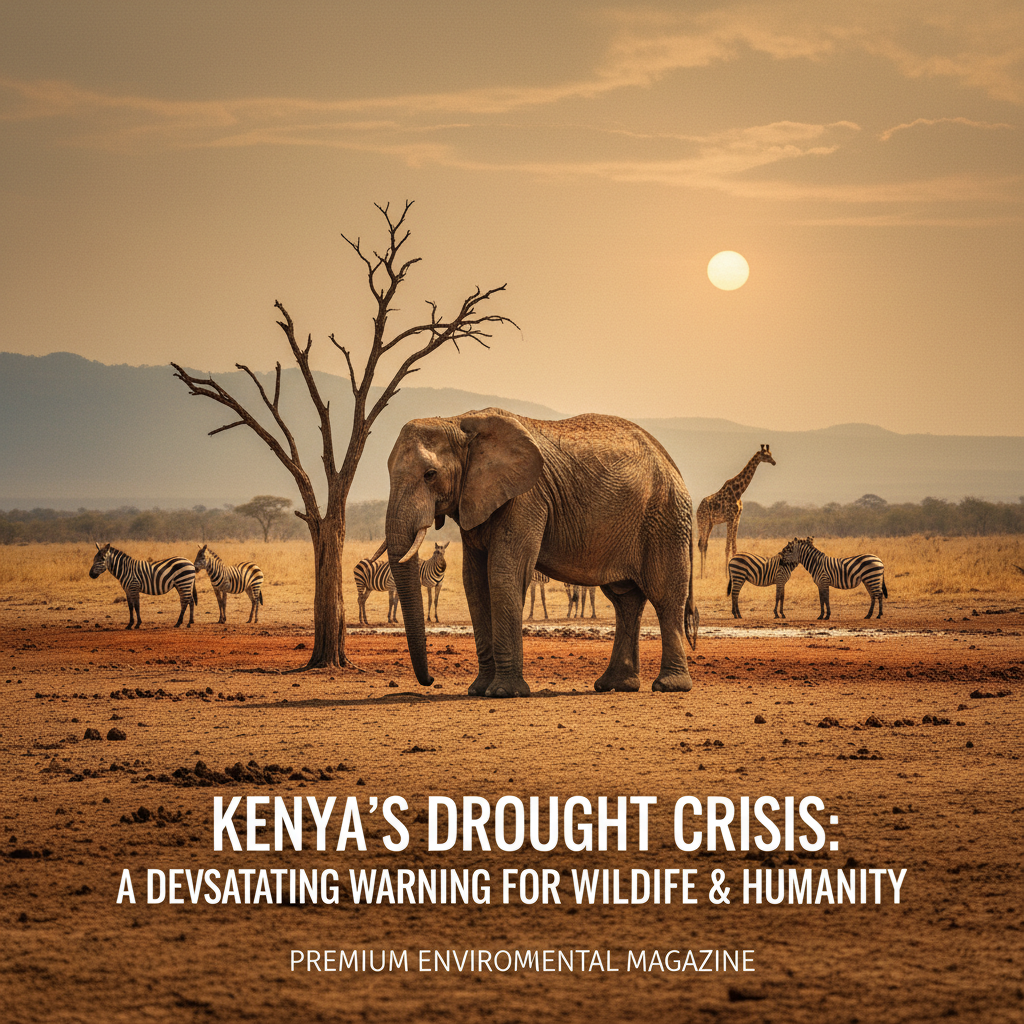
Key Takeaways
- Kenya's severe drought is causing widespread animal deaths and food insecurity for over 2 million people.
- Cattle-keeping communities are severely impacted, losing their primary source of livelihood and sustenance.
- The crisis highlights the direct, devastating effects of climate change on both human and wild populations.
- Declining animal populations indicate immense ecological stress and potential biodiversity loss in East Africa.
- The situation calls for urgent humanitarian aid, climate action, and a global shift towards sustainable living practices.
OPENING PARAGRAPH
The devastating drought gripping parts of Kenya serves as a stark, immediate warning of our planet's escalating climate crisis. As images of emaciated livestock surface from the arid plains, the suffering of animals mirrors the growing humanitarian catastrophe, leaving over 2 million people facing hunger. This isn't just a regional tragedy; it's a critical signal about the interconnectedness of our ecosystems and the profound impact of environmental shifts on all life.
TL;DR: Key Facts
- Over 2 million people in Kenya are currently facing hunger due to severe drought conditions.
- Cattle-keeping communities in the northeast, particularly near the Somali border, are among the hardest hit.
- Widespread animal deaths, particularly among livestock, are occurring due to lack of food and water.
- The crisis has been highlighted by the United Nations and other aid organizations.
- The current conditions are indicative of increasing climate variability and extreme weather events in East Africa.
What Happened
Parts of Kenya, particularly the arid northeastern region bordering Somalia, are in the grip of a severe drought that has led to a desperate situation for both humans and animals. This prolonged dry spell has decimated vegetation and water sources, creating a barren landscape where sustenance is increasingly scarce. The crisis has escalated to a point where over 2 million people are now facing acute hunger, a statistic underscored by the United Nations and various humanitarian groups.
The impact is most acutely felt by the region's traditional cattle-keeping communities. Their livelihoods are entirely dependent on their livestock, which are now perishing in vast numbers due to starvation and thirst. Heart-wrenching images circulating from the affected areas show emaciated cattle, goats, and other animals, their bones protruding, unable to find sufficient forage or water to survive. This loss of livestock represents not just an economic collapse for these communities but also the erosion of their cultural heritage and a direct threat to their very existence. The drought’s relentless progression has transformed once-viable grazing lands into dustbowls, pushing both humans and animals to the brink.
Why It Matters
This crisis in Kenya transcends a localized environmental issue; it’s a critical microcosm of the larger global climate emergency and its devastating consequences for wildlife and human well-being. For readers of GreenNest Living, this news highlights the direct, tangible impacts of climate change on biodiversity and sustainable living. When livestock die in such numbers, it signals an ecosystem under immense stress, one that can no longer support its inhabitants, including wild animals that compete for dwindling resources.
The plight of Kenya's animals, both domesticated and wild, serves as an early warning system for ecological collapse. Droughts of this intensity and frequency are directly linked to climate change, which disrupts rainfall patterns and exacerbates desertification. This isn't just about cattle; wild herbivores like zebras, wildebeest, and antelopes, along with the predators that rely on them, are also suffering immense losses. Their survival is intrinsically linked to the health of these grasslands, and their decline impacts the entire food web, threatening the rich biodiversity of East Africa, a region famed for its iconic wildlife.
Furthermore, this crisis underscores the profound interconnection between human and environmental health. The collapse of cattle-keeping livelihoods is a humanitarian tragedy, but it also creates ripple effects that destabilize entire regions. Increased competition for resources can lead to conflict, displacement, and further strain on fragile ecosystems. As advocates for sustainable living, understanding these connections is crucial. Our actions, both local and global, have direct consequences on communities and wildlife thousands of miles away, reinforcing the urgency of adopting more resilient and climate-conscious practices worldwide.
What You Can Do
- Support Humanitarian Aid: Donate to reputable organizations like the Red Cross, Doctors Without Borders, or UN agencies (UNICEF, WFP) that are providing immediate food, water, and medical aid to affected communities in Kenya.
- Bolster Wildlife Conservation Efforts: Contribute to conservation groups working on drought resilience for wild animals in East Africa, focusing on water provision, habitat restoration, and anti-poaching efforts during stressful times.
- Advocate for Climate Action: Contact your elected representatives and urge them to support policies that address climate change, promote renewable energy, and invest in climate adaptation strategies, especially for vulnerable regions.
- Reduce Your Water and Carbon Footprint: Adopt sustainable practices in your daily life, such as reducing water consumption, minimizing energy use, opting for plant-based meals, and choosing public transport or cycling to lessen your personal contribution to greenhouse gas emissions.
- Educate and Share: Inform friends, family, and your community about the realities of climate change and its impacts on global communities and wildlife. Sharing accurate information helps build collective awareness and drive change.
- Support Sustainable Agriculture: Research and support food systems that promote water conservation, soil health, and climate-resilient farming practices, reducing the overall environmental strain on global resources.
FAQs
Q: Is this drought related to climate change?
A: Yes, scientists increasingly link the frequency and intensity of extreme weather events like droughts in East Africa to human-induced climate change, which alters global weather patterns and exacerbates arid conditions.
Q: How does drought affect wild animals?
A: Drought leads to scarcity of water and food (vegetation), forcing wild animals to travel further, weakening them, making them more susceptible to disease and predation, and ultimately leading to increased mortality rates and reduced reproductive success.
Q: What are cattle-keeping communities?
A: Cattle-keeping communities, often nomadic or semi-nomadic, are groups of people whose livelihoods and culture are centered around raising livestock, primarily cattle, for food, trade, and social status, heavily relying on natural pastures and water sources.
Sources
This article is based on reporting by Mongabay, drawing on Associated Press (AP) reports and insights from the United Nations.
Original source
Mongabay
Author, Digital Entrepreneur & AI Creator
More from Wildlife & Nature News
- The Silent Drain: Sand Scarcity Threatens Global Ecosystems — May 13, 2026
- Celestial Glimpse: Earth's Glow, Our Lost Night Skies — May 11, 2026
- Google's UK Datacentre Emissions Understated by Factor of Five — May 10, 2026
- Cosmic Beacon: Earth's Glow Inspires Global Stewardship — May 9, 2026
- Amazon Tipping Point: Deforestation, Warming Threaten Rainforest by 2040s — May 8, 2026