London Transforms Yards Into Thriving Community Gardens
Key Takeaways
- Care, Not Capital is a London-based initiative focused on greening urban spaces.
- It was co-founded by garden designer Susanna Grant and acclaimed ecologist John Little.
- The program offers free training to equip individuals with practical “modern gardening” skills.
- Its core mission involves transforming neglected yards into thriving, ecologically rich gardens.
- The initiative is supported by a network of expert gardeners and ecologists.
In an increasingly urbanized world, the transformation of overlooked spaces into vibrant green havens is not just a trend, but a critical movement for sustainability and community well-being. Today’s news highlights a groundbreaking initiative in London that's doing exactly that, making it a compelling story for anyone passionate about sustainable living and the power of local action.
TL;DR: Key Facts
- Care, Not Capital is a London-based initiative focused on greening urban spaces.
- It was co-founded by garden designer Susanna Grant and acclaimed ecologist John Little.
- The program offers free training to equip individuals with practical “modern gardening” skills.
- Its core mission involves transforming neglected yards into thriving, ecologically rich gardens.
- The initiative is supported by a network of expert gardeners and ecologists.
What Happened
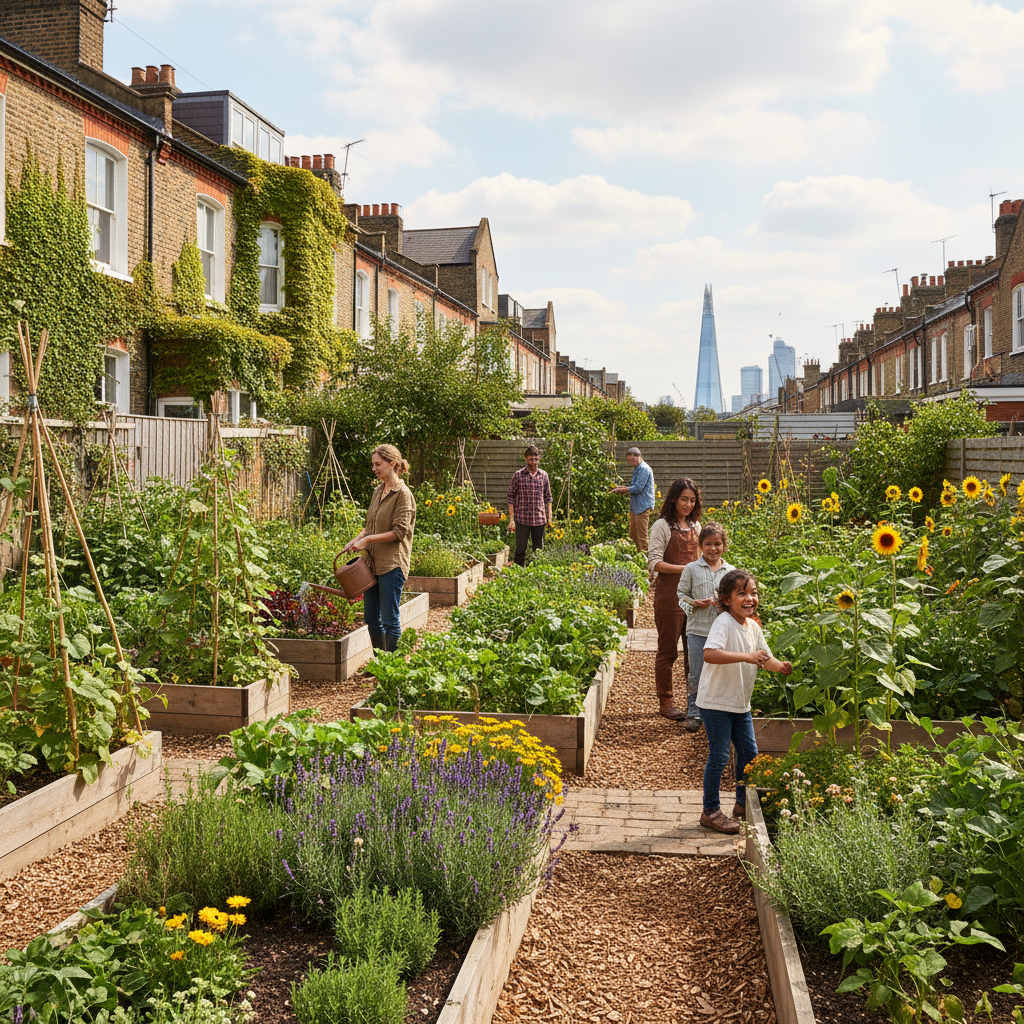
In a refreshing display of community-led environmental action, the London-based initiative “Care, Not Capital” is making significant strides in transforming urban landscapes. Co-founded by garden designer Susanna Grant and the well-known ecologist John Little, the program focuses on converting ordinary yards into vibrant, ecologically beneficial gardens. This transformative work is not just about aesthetics; it’s deeply rooted in fostering sustainability and community engagement.
Care, Not Capital offers a free program designed to equip trainees with essential “modern gardening” skills. This hands-on education is crucial, providing participants with the knowledge and tools needed to create and maintain green spaces that are resilient and supportive of local biodiversity. The initiative benefits from the expertise of a broad network of “excellent gardeners and ecologists” who contribute to its success and the robust training curriculum.
By empowering individuals with practical skills and transforming urban plots, the program demonstrates a powerful model for localized environmental improvement. It’s a testament to the idea that significant ecological impact can be achieved one garden at a time, with collective effort and a focus on sustainable practices.
Why It Matters
This initiative from London is a shining example of how local action can have a profound impact on environmental health and community resilience. In dense urban environments, green spaces are often scarce, leading to issues like urban heat islands, reduced biodiversity, and limited opportunities for residents to connect with nature. Care, Not Capital directly addresses these challenges by not only creating new green areas but also by involving the community directly in their formation and care.
For GreenNest Living readers, this story resonates deeply with our core values of sustainable living. The focus on “modern gardening” skills implies practices that go beyond traditional horticulture, embracing ecological principles such as water conservation, native planting, and supporting pollinators. This hands-on approach empowers individuals to become active stewards of their local environment, fostering a sense of ownership and responsibility that is essential for long-term sustainability. It highlights that gardening isn't just a hobby; it's a vital skill for climate adaptation and fostering healthier urban ecosystems.
Furthermore, the ethos of “Care, Not Capital” itself speaks volumes. By prioritizing care and community over purely financial gain, the program offers a refreshing counter-narrative to commercial development, advocating for a more harmonious relationship between people and nature. This model of community-driven greening can inspire similar initiatives globally, demonstrating that collective effort and shared knowledge are powerful tools for creating more livable, greener cities for everyone.
What You Can Do
- Research Local Green Initiatives: Look for community gardens, urban farming projects, or park clean-up groups in your area where you can volunteer or contribute.
- Start Small, Think Big: Even a balcony or a small patch of your yard can be transformed into a mini-ecosystem. Prioritize native plants to support local wildlife.
- Learn Modern Gardening Skills: Seek out workshops on permaculture, water-wise gardening, composting, or organic pest control. Many botanical gardens or community colleges offer these.
- Advocate for Green Spaces: Engage with local city planners or environmental groups to support policies that prioritize green infrastructure and accessible public gardens.
- Share Your Knowledge: If you have gardening skills, consider mentoring a neighbor or participating in local skill-sharing events to spread sustainable practices.
- Conserve Resources Mindfully: Implement rainwater harvesting, use mulch to retain soil moisture, and choose drought-tolerant plants to reduce your garden’s water footprint.
FAQs
Q: What exactly are "modern gardening" skills?
A: Modern gardening skills emphasize ecological principles, focusing on biodiversity, soil health, water conservation, and climate resilience. This includes practices like native planting, permaculture design, composting, organic pest management, and creating habitats for pollinators and beneficial insects.
Q: How do urban gardens contribute to environmental sustainability?
A: Urban gardens improve air quality, reduce the urban heat island effect, support local biodiversity by providing habitats for wildlife, manage stormwater runoff, and can contribute to local food security by enabling food production within city limits.
Q: Is transforming a "yard to garden" feasible for renters or those with very small spaces?
A: Absolutely! Even small patios, balconies, or window sills can be transformed into productive and beautiful green spaces. Container gardening, vertical gardens, and choosing compact plant varieties make gardening accessible regardless of space ownership or size.
Sources
This article is based on reporting by Gardenista.
Original source
Gardenista
Author, Digital Entrepreneur & AI Creator
More from Garden & Plants
- LA Oasis: Modern Spanish Colonial Design for Sustainable Living — May 13, 2026
- Flowering Shrubs: The Underrated Backbone of Your Eco-Garden — May 11, 2026
- Native Wisteria: Blooming Beauty, Boosting Biodiversity — May 10, 2026
- Embracing the Subtle Beauty of Shade Gardens — May 9, 2026
- Ground Covers: The Low-Maintenance Path to a Greener Yard — May 8, 2026