London's Free Gardening Program: Greening Urban Spaces
Key Takeaways
- Care, Not Capital offers free modern gardening skill training.
- Program aims to transform urban spaces into biodiverse gardens.
- Led by garden designer Susanna Grant and ecologist John Little.
- Focused on practical, ecological approaches to gardening.
- Based in London, seeking to equip future green leaders.
As urban landscapes continue to expand, the urgent need for green spaces that foster biodiversity and support ecological health has never been clearer. A groundbreaking initiative in London, spearheaded by dedicated garden designers, is directly addressing this by empowering individuals with the practical skills needed to transform their own yards and local areas into thriving, sustainable gardens. This isn't just about aesthetics; it's about building resilient communities and vital ecosystems, starting right where we live.
TL;DR: Key Facts
- Care, Not Capital offers a free training program in modern gardening skills.
- The initiative aims to transform conventional urban yards into biodiverse, sustainable gardens.
- The program is co-directed by garden designer Susanna Grant and ecologist John Little.
- It equips trainees with practical, ecologically sound approaches to gardening.
- Based in London, the program seeks to foster a new generation of green leaders.
What Happened
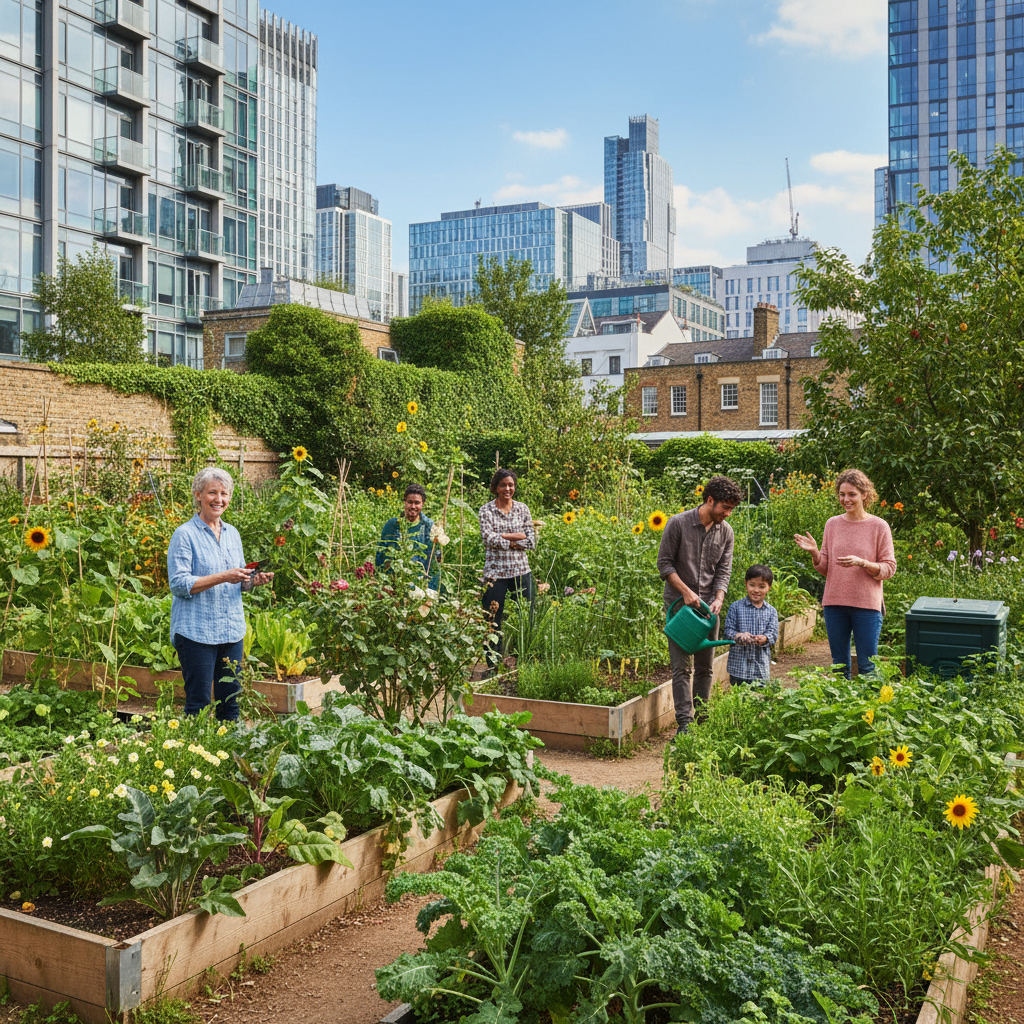
In an inspiring move towards greener urban living, London is home to a notable initiative called Care, Not Capital. This pioneering program, co-directed by renowned garden designer Susanna Grant and the influential John Little (known for his deep ecological approach to gardening), provides free, accessible training to aspiring green thumbs. Supported by a network of experienced gardeners and ecologists, Care, Not Capital is dedicated to equipping trainees with essential skills for what they term 'modern gardening.'
The goal is not just to teach traditional gardening techniques, but to cultivate a deeper understanding of ecological principles and sustainable practices. This hands-on program aims to empower individuals to convert traditional, often underutilized, yards into vibrant, functional gardens that contribute positively to their local environment. By offering this invaluable and accessible education, the initiative is fostering a new generation of ecologically-minded gardeners capable of creating significant, positive local change and enhancing urban green infrastructure.
Why It Matters
For readers of GreenNest Living, this London-based initiative represents more than just a local training program; it signifies a vital, actionable shift in how we approach our personal and collective green spaces. In an era dominated by escalating climate change impacts, rampant biodiversity loss, and an increasing disconnect from nature, 'modern gardening' – as championed by Care, Not Capital – moves far beyond mere aesthetics. It embraces a holistic ecological design philosophy, focusing intensely on principles like native planting for local ecosystems, advanced water conservation techniques, enriching soil health through composting and organic methods, and critically, creating diverse habitats that support local wildlife, from essential pollinators to beneficial insects and urban birds. This comprehensive approach transforms a conventional yard into a vibrant, functional micro-ecosystem, directly contributing to vital urban biodiversity corridors and significantly enhancing local climate resilience against extreme weather events.
Furthermore, the program's emphasis on free, accessible training underscores a powerful and inspiring message: sustainable living and active ecological restoration are not exclusive pursuits for specialists but rather attainable skills for everyone, regardless of their background or current expertise. By empowering individuals with practical, hands-on knowledge, this initiative fosters a profound sense of agency and strengthens community bonds. When neighbors learn together how to strategically green their shared and private spaces, they don't just improve the local environment; they build stronger social ties, significantly boost mental well-being through active engagement with nature, and collaboratively address pressing environmental challenges at a crucial grassroots level. It's a tangible, boots-on-the-ground demonstration of how small, locally-driven actions can ripple outwards, contributing meaningfully to a much larger, global movement towards a greener, healthier, and more interconnected planet, starting literally from the soil beneath our feet and extending to the wider urban canopy.
What You Can Do
- Seek Out Local Green Initiatives: Actively investigate if similar free or affordable gardening and ecological training programs exist in your community. Many local councils, public botanical gardens, university extension offices, and environmental non-governmental organizations (NGOs) often offer a wealth of workshops, seminars, or certification courses focused on sustainable landscaping, native plant gardening, and urban ecology. Don't be afraid to reach out and ask!
- Embrace Ecological Design Principles in Your Space: Start implementing "modern gardening" principles right in your own garden, balcony, or even a window box, no matter how small the area. This includes prioritizing native plants which are adapted to your local climate and soil, drastically reducing or eliminating traditional lawn areas in favor of more biodiverse plantings, creating dedicated pollinator-friendly zones, and managing water thoughtfully through techniques like rainwater harvesting, permeable surfaces, and drought-tolerant plant selections.
- Actively Support Local Biodiversity: Make conscious choices to plant species that provide essential food sources (nectar, pollen, berries) and crucial shelter for local wildlife, including bees, butterflies, birds, and small mammals. Consider installing simple yet effective biodiversity enhancers such as native hedgerows, carefully designed insect hotels, or small, safe water features like bird baths or shallow ponds to dramatically enhance your garden's ecological value.
- Volunteer for Community Greening Projects: Dedicate your time and energy to local parks, community gardens, urban farms, or habitat restoration projects. Volunteering is an excellent way to learn new sustainable gardening skills from experienced practitioners, meet like-minded individuals who share your passion for green living, and make a visible, tangible difference in your immediate environment and for your community's well-being.
- Share Your Knowledge and Inspire Others: Once you've gained practical insights and experience in sustainable gardening, generously share them with your friends, family, and neighbors. Initiate conversations about the benefits of composting, efficient water harvesting methods, the importance of choosing native plants, and how small changes can lead to significant environmental improvements. Host a garden tour or a small informal workshop!
- Commit to Continuous Learning and Exploration: Sustainable gardening is an evolving field. Make it a habit to regularly read and subscribe to reputable sustainable living publications (like GreenNest Living!), follow influential ecological gardening blogs and podcasts, and delve into books on topics such as permaculture design, regenerative agriculture, and native landscaping. The more you learn, the more effectively you can contribute to a healthier planet.
FAQs
Q: What exactly is "modern gardening"?
A: "Modern gardening" emphasizes ecological principles, focusing on sustainability, biodiversity, and creating resilient ecosystems. It involves using native plants, conserving water, building healthy soil, and providing habitats for local wildlife, moving beyond purely ornamental landscapes.
Q: How can I find similar free training programs in my area?
A: Start by checking with your local government's parks and recreation department, community centers, botanical gardens, or environmental non-profit organizations. Many offer workshops, volunteer opportunities, or free educational resources on sustainable gardening and urban greening.
Q: Why is urban greening so important for sustainable living?
A: Urban greening is crucial because it mitigates the urban heat island effect, improves air quality, reduces stormwater runoff, supports vital pollinator populations, and enhances human well-being by connecting people with nature. It turns concrete jungles into thriving, interconnected ecosystems.
Sources
This article is based on reporting by Gardenista.
Original source
Gardenista
Author, Digital Entrepreneur & AI Creator
More from Garden & Plants
- LA Oasis: Modern Spanish Colonial Design for Sustainable Living — May 13, 2026
- Flowering Shrubs: The Underrated Backbone of Your Eco-Garden — May 11, 2026
- Native Wisteria: Blooming Beauty, Boosting Biodiversity — May 10, 2026
- Embracing the Subtle Beauty of Shade Gardens — May 9, 2026
- Ground Covers: The Low-Maintenance Path to a Greener Yard — May 8, 2026