London's Green Shift: Community Cultivates Modern Gardens
Key Takeaways
- Care, Not Capital empowers London communities with free 'modern gardening' skills.
- The program is co-directed by garden designer Susanna Grant and John Little.
- It focuses on transforming urban yards into ecologically rich, sustainable gardens.
- The initiative leverages expertise from both seasoned gardeners and ecologists.
- This model promotes biodiversity, community resilience, and accessible environmental education.
In an increasingly urbanized world, the call for greener, more sustainable cities grows louder. This week, we're spotlighting a groundbreaking initiative in London that's not just planting trees, but sowing the seeds of community empowerment and ecological resilience, reminding us that transformation begins at our doorsteps.
This pioneering program offers a fresh perspective on urban greening, proving that collective effort and informed practices can redefine our relationship with nature, even in bustling metropolises. It's a vital step towards creating healthier, more vibrant environments for all.
TL;DR: Key Facts
- Susanna Grant and John Little co-direct 'Care, Not Capital,' a London-based initiative.
- The program offers free training to equip individuals with 'modern gardening' skills.
- It emphasizes ecological approaches, leveraging expertise from gardeners and ecologists.
- 'Care, Not Capital' focuses on transforming urban yards into sustainable gardens.
- The initiative promotes community involvement and skill-sharing for greener spaces.
What Happened
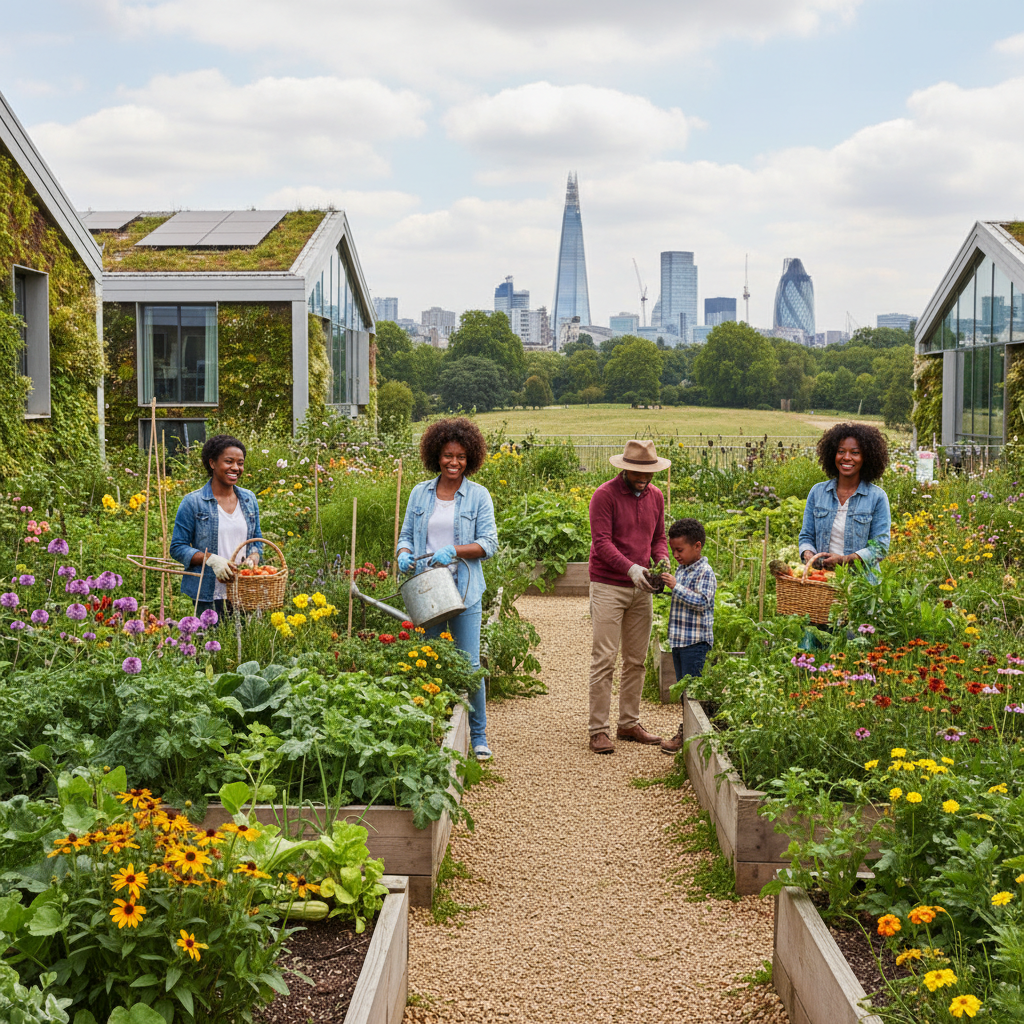
The spotlight is on Susanna Grant, a distinguished garden designer, and her co-director, the irrepressible John Little. Together, they helm a transformative program known as 'Care, Not Capital.' This London-based initiative is making significant strides in redefining urban green spaces, moving beyond mere aesthetics to embrace deeply ecological principles.
What sets 'Care, Not Capital' apart is its commitment to education and empowerment. The program offers free training, meticulously designed to equip trainees with the essential skills for what they term 'modern gardening.' This isn't just about planting flowers; it's a comprehensive approach that integrates the knowledge of experienced gardeners and ecologists, ensuring a holistic and sustainable transformation of neglected spaces.
Their work focuses on converting traditional, often sterile, yards into thriving, ecologically rich gardens. This effort not only beautifies the urban landscape but also fosters a deeper connection between residents and their local environment, promoting biodiversity and healthier ecosystems within the city.
Why It Matters
This initiative from London is a beacon for sustainable living and urban ecological restoration, directly aligning with GreenNest Living’s mission. In a world grappling with biodiversity loss and climate change, 'Care, Not Capital' demonstrates a powerful, grassroots solution: empowering individuals to become stewards of their immediate environment. It’s a shift from consumerism to care, prioritizing natural systems over purely ornamental design, and encouraging community resilience.
The concept of 'modern gardening' championed here is crucial. It moves beyond traditional horticultural practices that often rely on chemical inputs and exotic species, instead advocating for methods that enhance local ecosystems, support native wildlife, conserve water, and build healthy soil. By offering free training, Susanna Grant and John Little are democratizing access to vital environmental skills, making ecological stewardship accessible to everyone, not just those who can afford professional services. This bottom-up approach to greening cities can lead to a significant collective impact.
For our readers, this highlights the immense potential for local, community-driven projects to effect real environmental change. It underscores that even small-scale transformations, when multiplied across a city, can contribute significantly to urban cooling, air quality improvement, carbon sequestration, and most importantly, fostering a sense of community and well-being. It’s an inspiring model for how we can all participate in creating more livable, sustainable communities, one garden at a time.
What You Can Do
- Research Local Green Initiatives: Seek out community gardens, urban farming projects, or ecological restoration groups in your own city or town. Many offer volunteer opportunities or free workshops.
- Adopt Ecological Gardening Principles: Begin transforming a part of your yard or balcony into an ecological haven. Prioritize native plants, reduce water usage, create habitats for pollinators, and avoid chemical pesticides.
- Share Your Knowledge: If you have gardening skills, consider mentoring a neighbor or participating in local skill-sharing events. Education is key to spreading sustainable practices.
- Advocate for Green Space: Support local policies that promote the creation and protection of public green spaces, community gardens, and urban biodiversity corridors. Your voice can make a difference.
- Start Small, Think Big: Even a single container garden of native wildflowers on your patio contributes to urban biodiversity. Every small effort collectively builds a larger, greener future.
- Learn Continuously: Immerse yourself in resources about permaculture, rewilding, companion planting, and organic gardening. The more you know, the more effectively you can contribute to a healthier planet.
FAQs
Q: What exactly is 'modern gardening' as promoted by 'Care, Not Capital'?
A: 'Modern gardening' emphasizes ecological principles, focusing on creating sustainable, biodiverse, and resilient green spaces. This often involves using native plants, conserving water, building healthy soil without chemicals, and designing gardens that support local wildlife and ecosystems.
Q: Is the 'Care, Not Capital' program available outside of London?
A: The specific program run by Susanna Grant and John Little is currently focused on London. However, the principles and model of community-led ecological garden transformation can inspire similar initiatives anywhere in the world. Look for local versions or consider starting one!
Q: How can I find out more about transforming my own yard into an ecological garden?
A: Start by researching native plants suitable for your region. Consult local nurseries, botanical gardens, and university extension programs for advice. Online resources, books on permaculture and ecological landscaping, and local gardening clubs are also excellent sources of information and support.
Sources
This article is based on reporting by Gardenista.
Original source
Gardenista
Author, Digital Entrepreneur & AI Creator
More from Garden & Plants
- LA Oasis: Modern Spanish Colonial Design for Sustainable Living — May 13, 2026
- Flowering Shrubs: The Underrated Backbone of Your Eco-Garden — May 11, 2026
- Native Wisteria: Blooming Beauty, Boosting Biodiversity — May 10, 2026
- Embracing the Subtle Beauty of Shade Gardens — May 9, 2026
- Ground Covers: The Low-Maintenance Path to a Greener Yard — May 8, 2026