Maiden Grass Alert: Why Miscanthus is No Longer 'Perfect'
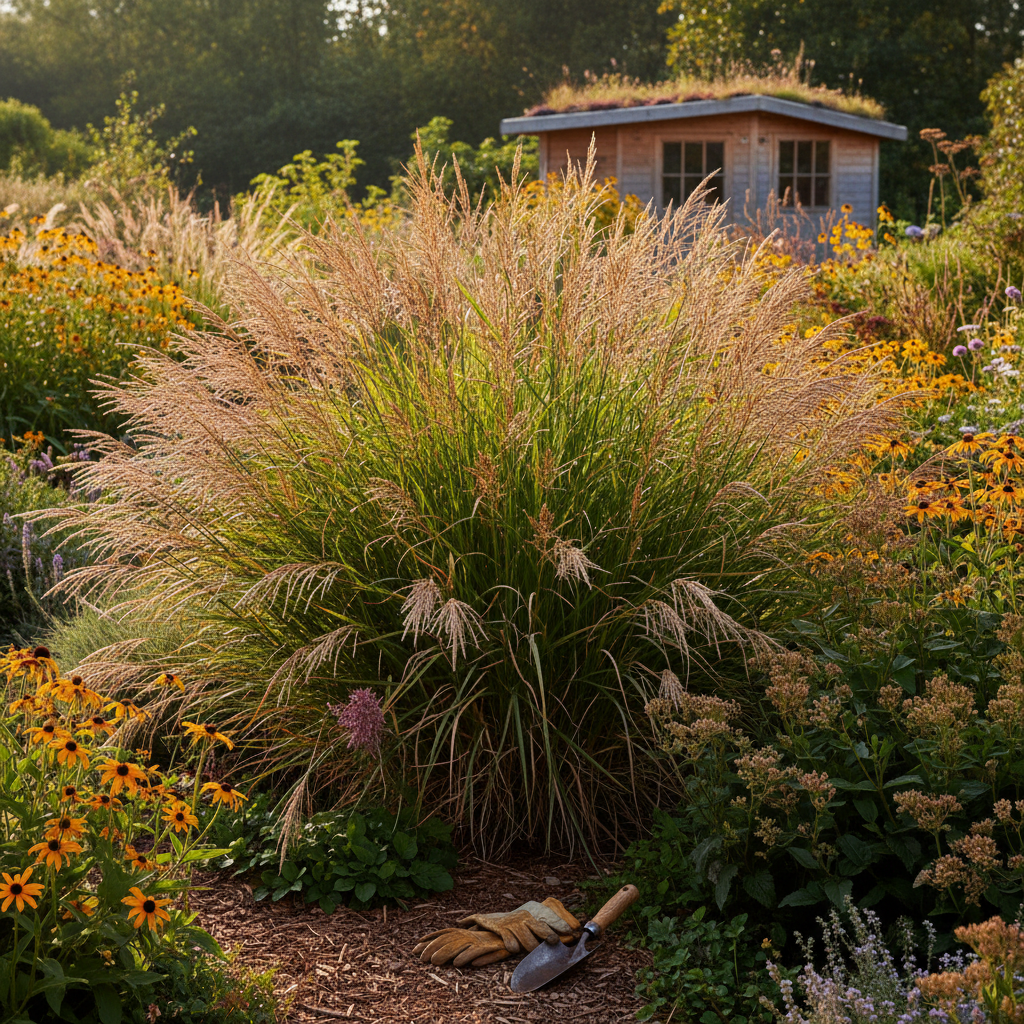
Key Takeaways
- Miscanthus sinensis is now recognized as an invasive plant in many U.S. regions.
- Its rapid spread threatens native plant ecosystems and reduces biodiversity.
- Gardeners are urged to remove existing problematic plants and choose native, ecologically beneficial alternatives.
- The re-evaluation emphasizes the dynamic nature of ecological impact over time and the need for vigilance.
- Informed, sustainable plant choices are crucial for promoting healthy local environments and supporting wildlife.
The plant world is always evolving, and sometimes, our understanding of what's 'perfect' changes too. Gardenista, a trusted voice in horticulture, recently reversed its long-standing recommendation for Miscanthus sinensis, commonly known as maiden grass or Chinese silvergrass, highlighting a critical shift in its environmental impact across the United States. This reevaluation calls for immediate attention from every gardener committed to sustainable practices and ecological health.
TL;DR: Key Facts
- Miscanthus sinensis, once hailed as 'practically perfect' by Gardenista, is now deemed problematic.
- In less than a decade, its invasive nature has become evident across much of the United States.
- The plant aggressively spreads, outcompeting native vegetation and disrupting local ecosystems.
- Gardeners are urged to reconsider its use and prioritize native, ecologically beneficial alternatives.
What Happened
Gardenista, a respected publication known for its gardening insights, has issued a significant retraction of its earlier glowing endorsement for Miscanthus sinensis, a plant it once lauded as 'practically perfect' in 2017. This swift reversal, occurring in less than a decade, reflects a growing and concerning awareness within the horticultural community regarding the plant's true ecological impact. What was once seen as a low-maintenance, ornamental grass has revealed a far more aggressive tendency than initially understood.
The core issue identified is the invasive nature of Miscanthus sinensis and its various cultivars. It has been observed escaping cultivation and establishing itself rapidly in natural habitats, roadsides, and disturbed areas across numerous U.S. regions. This vigorous spread is attributed to both prolific seed dispersal, which can be carried by wind, and robust rhizomatous growth, allowing it to form dense stands that overwhelm existing flora. This unchecked proliferation allows it to outcompete and displace native vegetation, disrupting ecological balance and reducing biodiversity in areas where it establishes itself.
This shift in perspective from Gardenista serves as a powerful testament to the dynamic relationship between ornamental horticulture and environmental stewardship. It signals a move towards greater accountability for plant choices and a deeper understanding of the long-term consequences of introducing non-native species, even those initially perceived as benign or beneficial. The gardening community is now challenged to reconsider long-held assumptions and prioritize ecological health alongside aesthetic appeal.
Why It Matters
For GreenNest Living readers, this re-evaluation of Miscanthus sinensis isn't just about a single plant; it's a critical lesson in ecological stewardship and a call to action for every gardener. It underscores how seemingly minor decisions in our own backyards can have significant, cumulative environmental consequences. The rapid transition of a widely planted ornamental from 'perfect' to 'problematic' within a mere seven years illustrates the dynamic nature of ecosystems and the ongoing need for vigilance, adaptive gardening practices, and a commitment to understanding the full ecological footprint of our plant choices. It challenges the common practice of prioritizing aesthetics or ease of care over ecological integrity, urging a deeper understanding of a plant's full lifecycle and its interactions with the local environment.
When Miscanthus invades, it forms dense monocultures that severely reduce native plant diversity. This loss of varied native plants means fewer essential food sources and habitat options for native insects, birds, and other wildlife. For instance, many native caterpillars, which are a crucial food source for nesting birds, cannot digest the foliage of non-native plants like Miscanthus, leading to food scarcity and impacting avian populations. This disruption in the food web weakens local ecosystems, making them less resilient to climate change, disease, and other environmental stressors. GreenNest Living advocates for gardens that are not just beautiful but also biodiverse, supportive of local ecology, and contribute positively to our shared natural heritage, making this news a vital prompt for every gardener to review their plant palettes.
What You Can Do
As conscious gardeners committed to sustainable practices, here are actionable steps you can take:
- Research Native Alternatives: Explore beautiful, ecologically beneficial native grasses suitable for your region. Options like Little Bluestem (Schizachyrium scoparium), Indiangrass (Sorghastrum nutans), Switchgrass (Panicum virgatum), or Purple Muhly (Muhlenbergia capillaris) offer similar aesthetic appeal without the ecological risk.
- Safely Remove Existing Miscanthus: If Miscanthus sinensis is identified as invasive in your local area, consider carefully removing it. Ensure proper disposal of plant material, especially seeds and rhizomes, to prevent further spread.
- Avoid Purchasing Miscanthus: Consciously choose not to buy or plant any varieties of Miscanthus sinensis in your garden or landscape projects moving forward.
- Educate Others: Share this important information with fellow gardeners, friends, and local nurseries to raise awareness about the issue.
- Monitor Your Garden: Regularly check your garden and surrounding areas for any signs of ornamental plants escaping cultivation and becoming invasive. Early detection can prevent widespread problems.
- Support Native Plant Nurseries: Choose to purchase plants from nurseries that prioritize and specialize in native plant species, supporting businesses that align with sustainable ecological practices.
FAQs
Q: Is all Miscanthus invasive?
A: While Miscanthus sinensis and its various cultivars are the primary concern, other Miscanthus species can also be aggressive. It's always best to check local invasive species lists for your specific region and opt for confirmed native alternatives.
Q: What are good alternatives to Miscanthus for ornamental appeal?
A: Many native grasses offer similar texture, height, and visual interest without ecological harm. Consider Little Bluestem (Schizachyrium scoparium), Indiangrass (Sorghastrum nutans), Switchgrass (Panicum virgatum), or Purple Muhly (Muhlenbergia capillaris), which are adapted to local conditions and support native wildlife.
Q: What should I do if I already have Miscanthus in my garden?
A: If Miscanthus sinensis is confirmed as invasive in your region, the most responsible action is to consider carefully removing it. If removal isn't immediately feasible, rigorously monitor it for spread and deadhead flowers before seeds can set to prevent dispersal. Always ensure proper disposal of plant waste.
Sources
This article is based on reporting by Gardenista.
Original source
Gardenista
Author, Digital Entrepreneur & AI Creator
More from Garden & Plants
- LA Oasis: Modern Spanish Colonial Design for Sustainable Living — May 13, 2026
- Flowering Shrubs: The Underrated Backbone of Your Eco-Garden — May 11, 2026
- Native Wisteria: Blooming Beauty, Boosting Biodiversity — May 10, 2026
- Embracing the Subtle Beauty of Shade Gardens — May 9, 2026
- Ground Covers: The Low-Maintenance Path to a Greener Yard — May 8, 2026